Why Dog & Puppy Training Sets You Both Up for Success
Dog & puppy training is about building a lifelong bond through clear communication, trust, and teaching your pup how to steer the world with confidence and good manners.
Core Training Fundamentals:
- Start Early: Begin simple training as soon as you bring your puppy home, typically around 8 weeks old.
- Prioritize Life Skills: Focus on foundational behaviors like impulse control and polite greetings before formal commands.
- Use Positive Reinforcement: Reward-based methods build trust and make learning enjoyable.
- Socialize Smartly: Expose your puppy to new experiences in a calm, positive way before their critical socialization window closes around 16 weeks.
- Be Consistent: Training is a lifelong process that requires patience and practice.
Bringing home a new puppy is like welcoming a little ball of sunshine into your life. But underneath all that adorable chaos, your pup is learning every single day. The truth is, training isn’t about being strict or turning your puppy into a robot. It’s about having a conversation with your furry friend, teaching them the language of your home, and showing them how to be a confident, well-mannered companion.
The beauty of starting early is that puppies are like little sponges. Between 8 and 16 weeks, they’re soaking up everything, and what they learn now will stick with them for life. You’re not just teaching “sit” and “stay.” You’re building trust and showing your pup that the world is a safe and friendly place.
And here’s the reassuring part: you don’t have to be perfect. Training is a journey, not a destination. Some days will be great, and others will test your patience. That’s all part of the process. What matters is consistency, patience, and keeping it fun. Every little lesson adds up, building a bond that’ll last a lifetime—one tail wag at a time.
The Foundations of Good Dog & Puppy Training
Bringing a new puppy into your home is one of life’s great joys. But just like any good partnership, it takes a little work to build a beautiful life together. This is where dog & puppy training comes in—it’s not about strict rules, but about creating a language between you and your new best friend. When you establish clear structure and help your pup feel safe, they start to trust you completely. That trust is the foundation for everything else. A well-trained dog is a joy, ready for any adventure, from exploring our 5-acre ranch to a quiet evening at home.
When to Start and What to Expect: Your Dog & Puppy Training Timeline
One of the most common questions we hear is, “When should we start training?” The answer is simple: as soon as your little furball comes home! Puppies can begin simple training as early as 8 weeks old. Their brains are developing at lightning speed, and those first few months are critical.
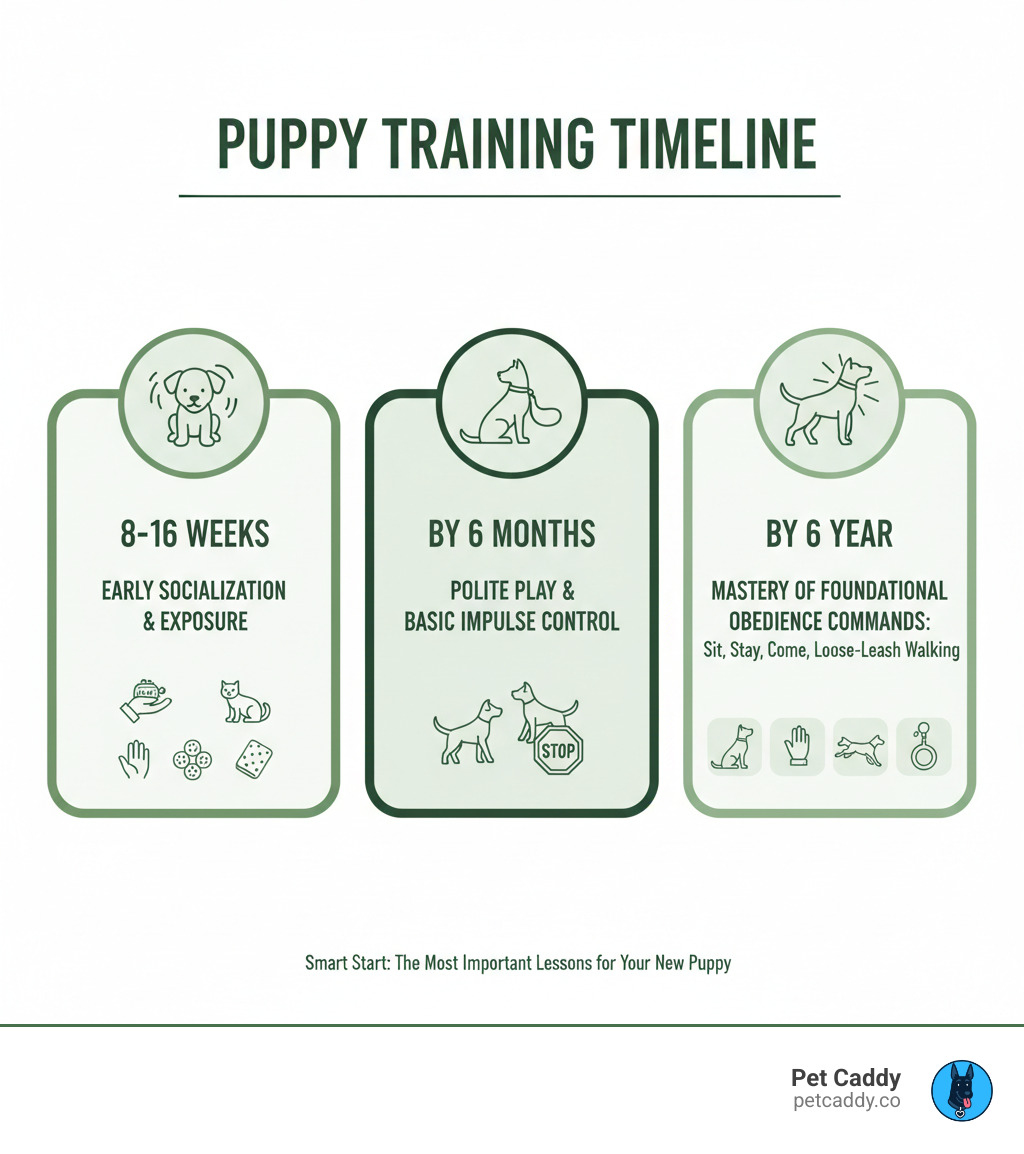
- 8 to 16 Weeks: This is the “sponge phase” and a critical socialization period. The main goals are positive exposure to the world (new sights, sounds, people) and introducing basic impulse control, like sitting before getting a food bowl. We’re building a relationship and structure.
- By 6 Months: Your pup should be making solid progress with housetraining, polite play (understanding “drop it”), and being comfortable alone for short periods. Recall (coming when called) is another major milestone.
- By 1 Year: Your dog should be mastering basic obedience commands like sit, down, stay, come, loose-leash walking, and drop it/leave it. These are the skills that make a dog a true joy to take anywhere.
Life Skills vs. Obedience: Building a Well-Mannered Companion
We prioritize life skills for young pups because they are the foundational behaviors that help your dog steer the real world calmly. These aren’t always formal commands but ways of being that make your pup a well-adjusted member of your family.
Key life skills include potty training, smart socialization (calm, positive exposure), teaching a default down to promote relaxation, getting comfortable with equipment dressing (collars, harnesses), positive car rides, and crate training to create a safe den. Once a dog is confident with these skills, teaching formal obedience commands like sit, down, stay, come, and loose-leash walking becomes much easier.
The Heart of the Matter: Positive Reinforcement and Building Trust
At the heart of all our dog & puppy training is positive reinforcement. This method is about rewarding desired behaviors and making learning a fun, joyful experience. Instead of punishing what they do wrong, we celebrate what they do right! This approach is recognized by leading institutions like the AVMA and ASPCA® for its effectiveness. More importantly, it’s the best way to build a strong, trusting relationship. When training is a game where good things happen, your pup will be eager to learn and engage with you, fostering confidence and strengthening your bond.
Smart Socialization: Helping Your Pup See the World as a Friend
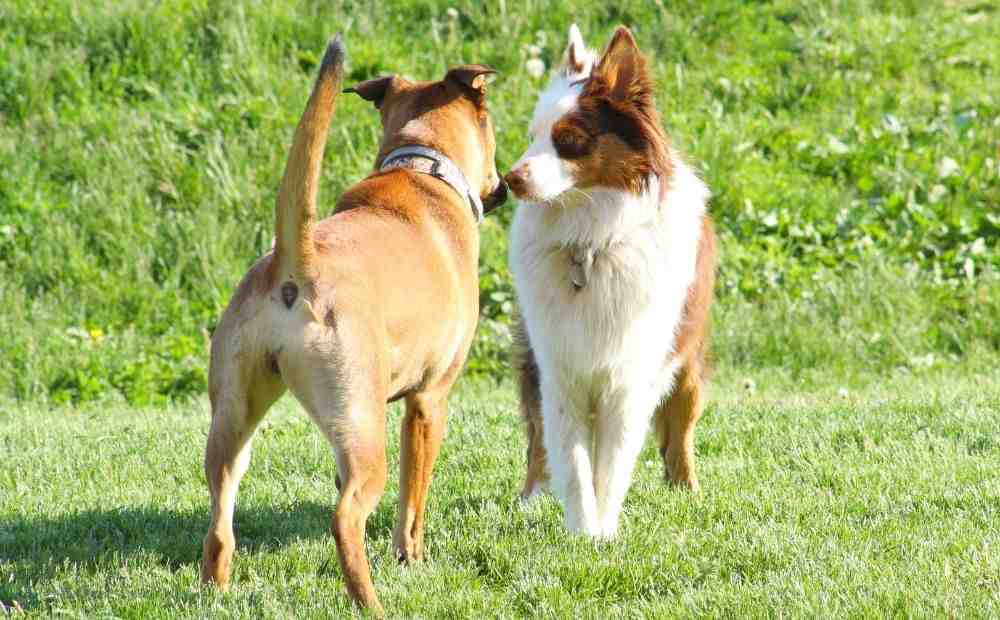
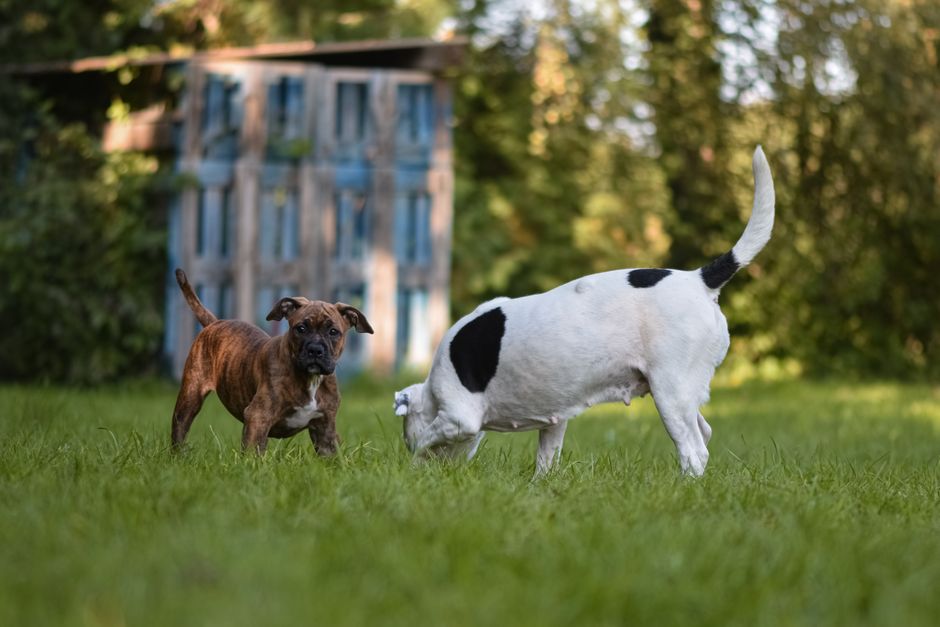
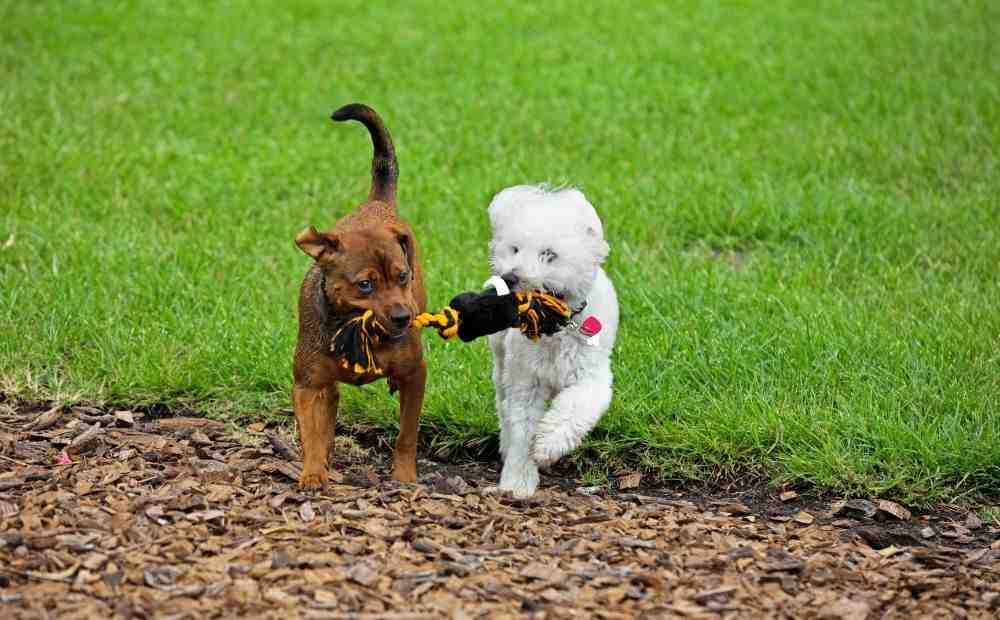
Socialization is crucial, especially before the window closes around 16 weeks. But “smart” socialization isn’t just a free-for-all at the dog park. It’s about providing calm, positive exposure to a variety of sights, sounds, and friendly dogs. The American Veterinary Society of Animal Behavior’s position statement emphasizes this urgency. The goal is quality over quantity. We allow puppies to observe from a comfortable distance, rewarding their calm behavior. We pair every new experience with treats and praise to build positive associations. This helps prevent fear and anxiety later in life, creating a confident, well-adjusted adult dog.
Tackling Common Puppy Problems with Patience and Grace
Even with the best intentions, puppyhood comes with challenges. These are normal, and with patience, we can guide our pups through them.
- Potty Training: Consistency is king. Use a regular schedule, praise and reward success outdoors, and clean up accidents thoroughly. We generally discourage potty pads, as they can be confusing.
- Mouthing and Biting: Puppies explore with their mouths. Teach bite inhibition by yelping when they bite too hard, then briefly ignoring them. Redirect their mouthing to appropriate chew toys.
- Crate Training: A crate is a safe, cozy den, not a punishment. Introduce it positively with treats and toys. It’s invaluable for house-training, travel, and safety.
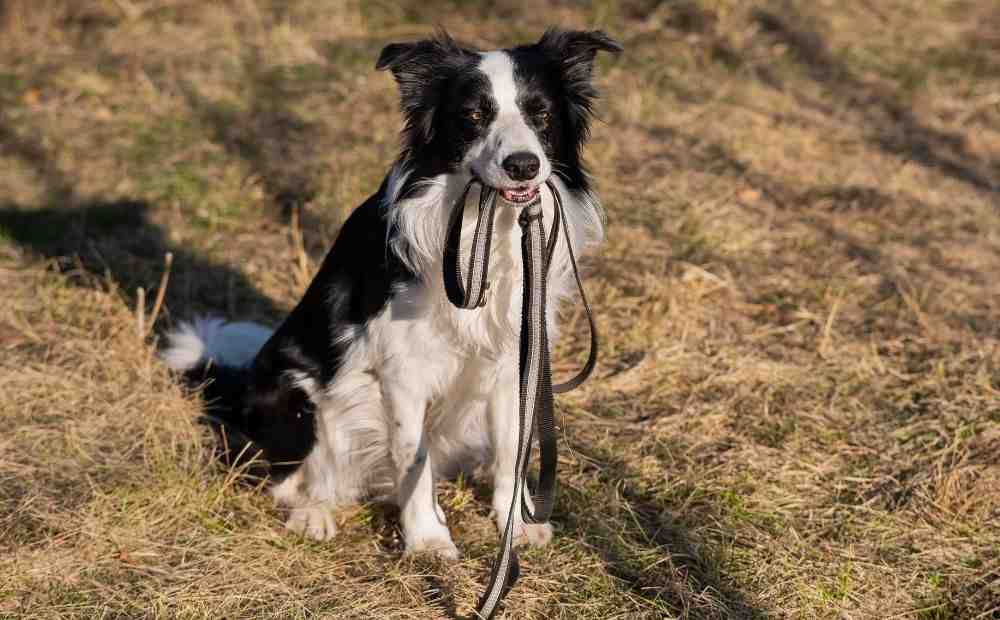
- Equipment Dressing: Getting your pup comfortable with collars and leashes is essential. Introduce them gradually with treats and praise. For a great visual guide, you can watch a video on positive equipment dressing.
- Car Rides: Start with short, positive trips to help your pup feel more secure. Gradual exposure and positive associations can make trips to the vet or our facility much smoother.
Choosing Your Path and Finding Support
Now that you’ve got the basics down, you might be wonderin’ what’s next. Every pup is different, and finding the right support can make all the difference. Whether you’re a do-it-yourself-er or you’d like a little more hands-on help, there’s a path for you and your four-legged partner. The truth is, dog & puppy training doesn’t have to be a solo journey. The key is finding resources that resonate with you and your pup.
Your Guide to Dog & Puppy Training Resources
With so many options out there, choosing the right training path can feel a bit overwhelming. But don’t you worry—we’re here to help you find what fits.
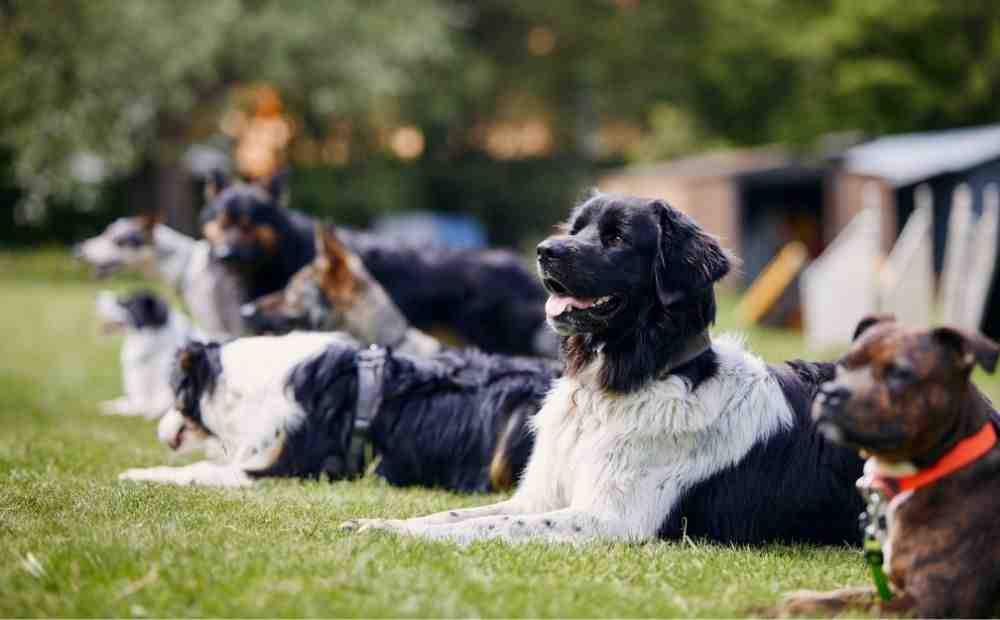
- Group classes are a wonderful starting point for basic obedience and socialization, allowing your pup to learn around others.
- Private consultations are incredibly effective for specific behavioral challenges, offering a custom plan for your dog’s unique needs.
- Board and train programs offer an intensive, immersive solution for busy families, where your dog receives consistent, focused training.
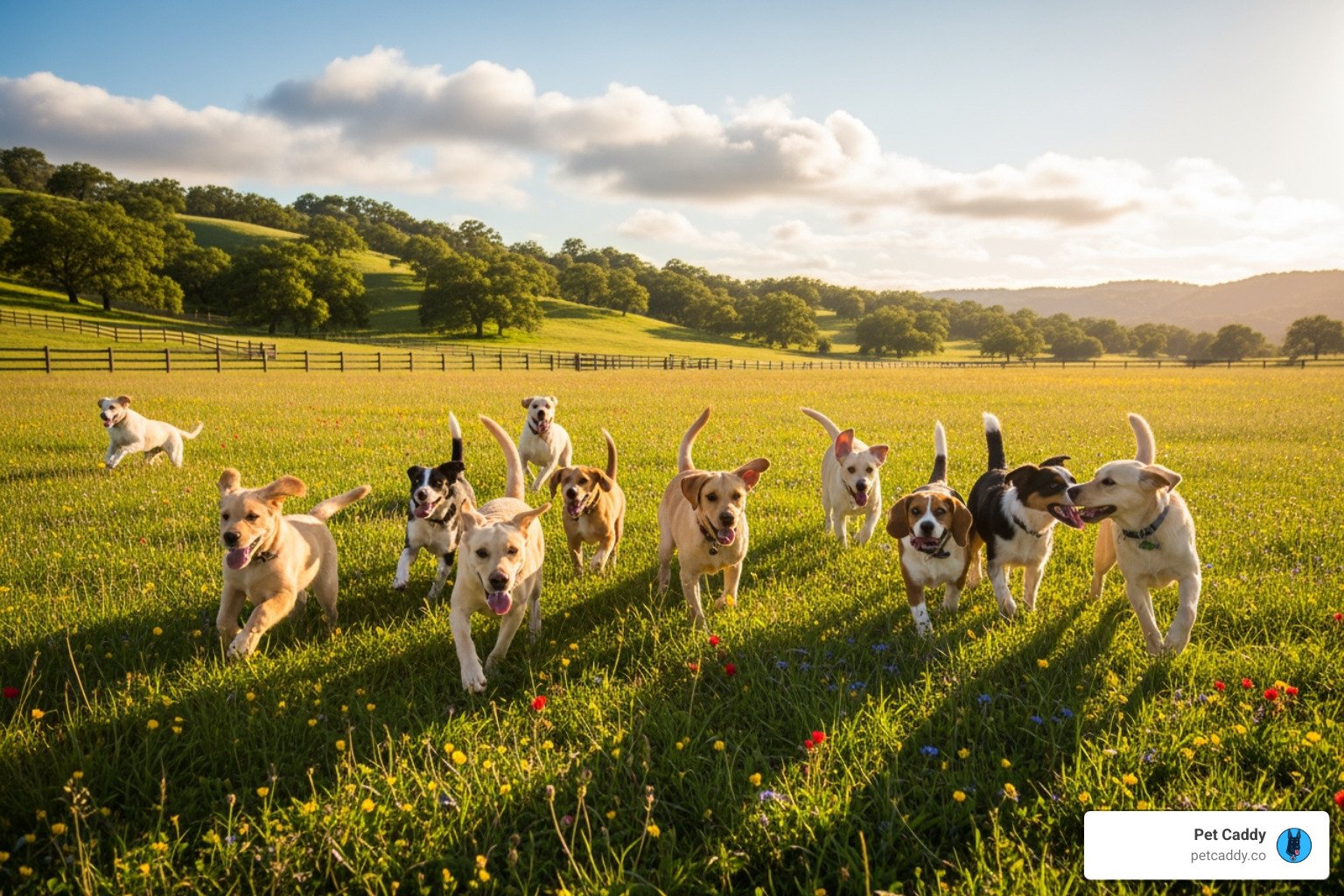
When choosing a trainer, always look for those who use positive reinforcement methods to build trust. At Pet Caddy, we’re passionate about helping our Austin, Spicewood, Horseshoe Bay, Marble Falls, Steiner Ranch, Hudson Ranch, Lakeway, Barton Creek, and Barton Creek Lakeside families raise happy, well-behaved pups. Our locally owned business offers a unique “dude ranch for dogs” experience on a spacious 5-acre ranch.
Our Board & Train services provide an immersive training experience in a stress-free, home-like environment. Unlike places that confine dogs to small kennels, our philosophy is all about hands-on human interaction and all-day play, which is always included at no extra cost. Your pup will be learning and growing while enjoying a true ranch adventure.
We believe in transparent pricing with no hidden fees, because honest, dependable service is just part of who we are. You can learn more about our dog training services and see how we might be the right fit for your family.
And here’s some encouragement: it’s never too late to start training. While puppies benefit from early work, older dogs and rescues can absolutely learn new behaviors with patience and positive reinforcement. The journey of training is a rewarding one, building a lifetime of tail wags and happy trails.