Why Every Wag Matters
Helping your new pup grow into a confident, friendly companion in Austin doesn’t have to be confusing or stressful. If you’re looking for ways to help them feel comfortable and happy in the world, here’s what you need to know:
Great Ways to Build Your Puppy’s Confidence:
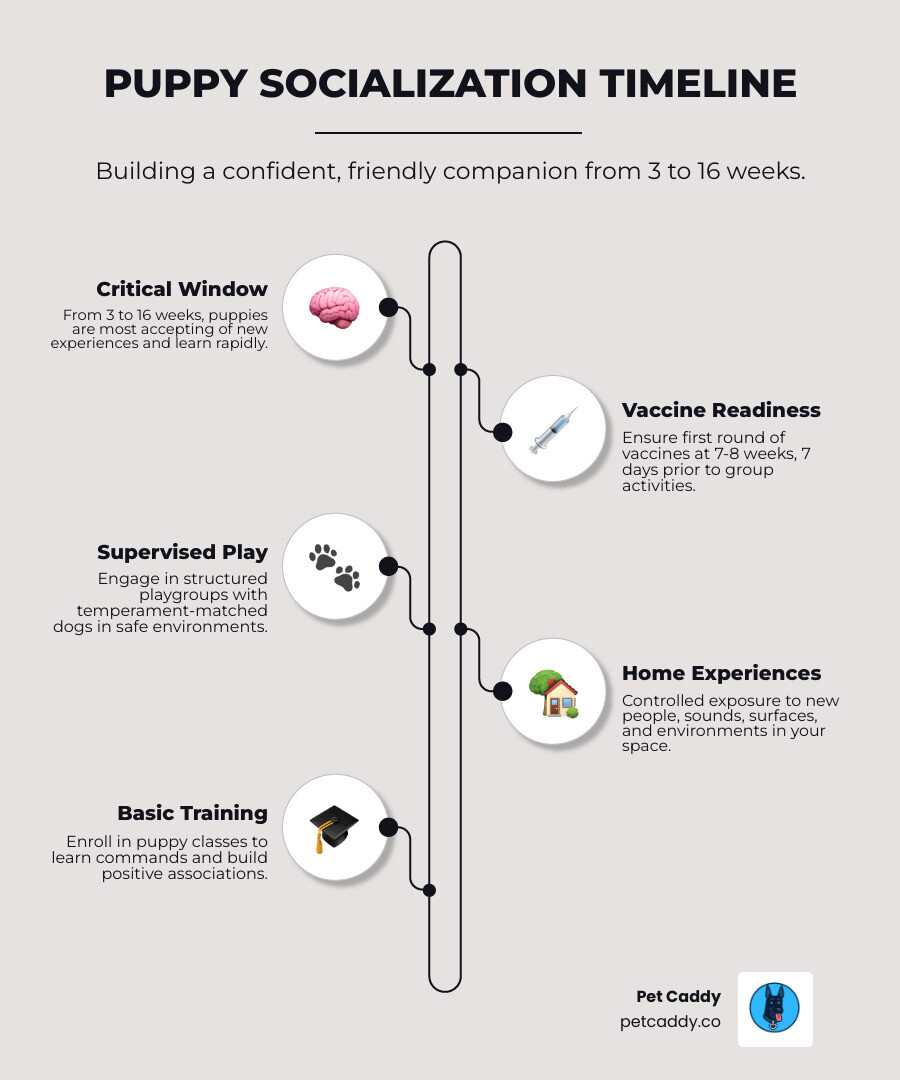
- Controlled Home Experiences – Gently introduce your pup to new people, sounds, and surfaces in the comfort of your own space.
- Supervised Playgroups – Look for structured environments like a quality doggy daycare where play is monitored by trained professionals.
- Positive Public Outings – Take short, happy trips to dog-friendly spots, keeping new experiences positive and brief.
Key Requirements: Most reputable daycares or classes require puppies to be at least 7-8 weeks old with their first round of vaccines administered 7 days prior to their first visit.
Bringing home a new puppy is pure joy—those soft ears, that puppy breath, the way they tumble over their own feet. You dream of long walks on Lady Bird Lake Trail, patio brunches at your favorite South Congress spot, and a dog who greets visitors with a wagging tail instead of anxious barking.
But here’s the thing: that confident, well-adjusted companion doesn’t happen by accident. The foundation is built during those critical early weeks, when your puppy’s brain is soaking up the world like a sponge. Austin’s dog-friendly culture offers incredible opportunities for your pup to explore, but it also means they need to be comfortable around other dogs, new people, and all sorts of situations.
The good news? You’re already taking the right first step by learning how to introduce your pup to the world safely. Whether you’re looking at structured doggy daycare with supervised playgroups or focusing on positive experiences at home, there are plenty of ways to help your little one become the social butterfly you know they can be. And in a city as dog-loving as Austin, that confidence will pay off with happy tail wags every single day.
The Ultimate Guide to Building Your Puppy’s Confidence in Austin
This is your roadmap to helping your little one grow into a confident, friendly Austinite. It’s all about positive experiences and setting them up for a lifetime of happy tail wags.
The Critical Window: Why Starting Early is Key
Think of your puppy’s brain during those first few months as a sponge—soaking up everything around them. Between 3 and 16 weeks of age, puppies are naturally curious little explorers, most open to new experiences, and wonderfully brave about the world. Every new sound, smell, person, and four-legged friend they meet helps shape how they’ll see the world for the rest of their lives.
Here’s the thing: this window doesn’t stay open forever. After about 12 weeks, that natural curiosity starts giving way to caution. What might have been an exciting adventure at 10 weeks can become a source of fear at 14 weeks if your pup hasn’t had positive experiences with it. That’s why The American Veterinary Society of Animal Behavior is clear: the behavioral risks of not introducing a puppy to the world carefully far outweigh the health risks of early exposure in a safe setting.
The statistics are sobering. Behavioral problems are the number one reason dogs end up in shelters and the leading cause of death for dogs under three years old. That’s not meant to scare you—it’s meant to show just how important these early weeks really are.
So how do we balance keeping your pup safe while still getting them out into the world? Most reputable Austin daycares and puppy classes require puppies to be at least 7-8 weeks old with their first round of vaccines (usually DHPP) given at least 7 days before their first visit. This gives their little immune systems a head start while still honoring that critical window. It’s about being smart—choosing clean facilities, ensuring other puppies are vaccinated too, and focusing on positive experiences—not wrapping them in bubble wrap until they’re six months old.
The Pawsitive Perks of Early Confidence Building
When you invest time in helping your pup build confidence early on, you’re not just teaching manners—you’re building the foundation for a genuinely happy, well-adjusted companion who can handle whatever life in Austin throws their way.

A well-adjusted puppy prevents fear and anxiety before it starts. When your pup has positive experiences with different people, sounds, surfaces, and friendly dogs, they learn the world isn’t something to be afraid of. That confidence shows up everywhere—from staying calm when the doorbell rings to walking past a construction site without turning into a trembling mess.
This confidence naturally reduces behavioral problems down the road. Fear often comes out sideways as aggression, excessive barking, or destructive chewing. A pup who’s learned to take new things in stride doesn’t need those coping mechanisms. That statistic about behavioral issues being the top reason for shelter relinquishment? Building good social skills is your best defense against that heartbreaking outcome.
What you end up with is a safer, more predictable dog—one who’s comfortable meeting your nephew, relaxed at the vet’s office, and friendly with other dogs on the trail around Lady Bird Lake. Their tail wags become genuine expressions of joy, not nervous energy. And honestly? A well-adjusted dog is a happy dog, which makes for a much happier human too.
Safe Ways to Build Social Skills: Beyond the Unpredictable Dog Park
The local dog park might seem like the perfect spot for helping your pup meet other dogs, but here’s the truth: it can be a risky gamble for young pups. In uncontrolled environments where you don’t know the other dogs’ temperaments, health status, or vaccination records, one bad experience can undo weeks of careful confidence-building. A puppy who gets bowled over by an overly excited adult dog or frightened by aggressive behavior can carry that fear for years.
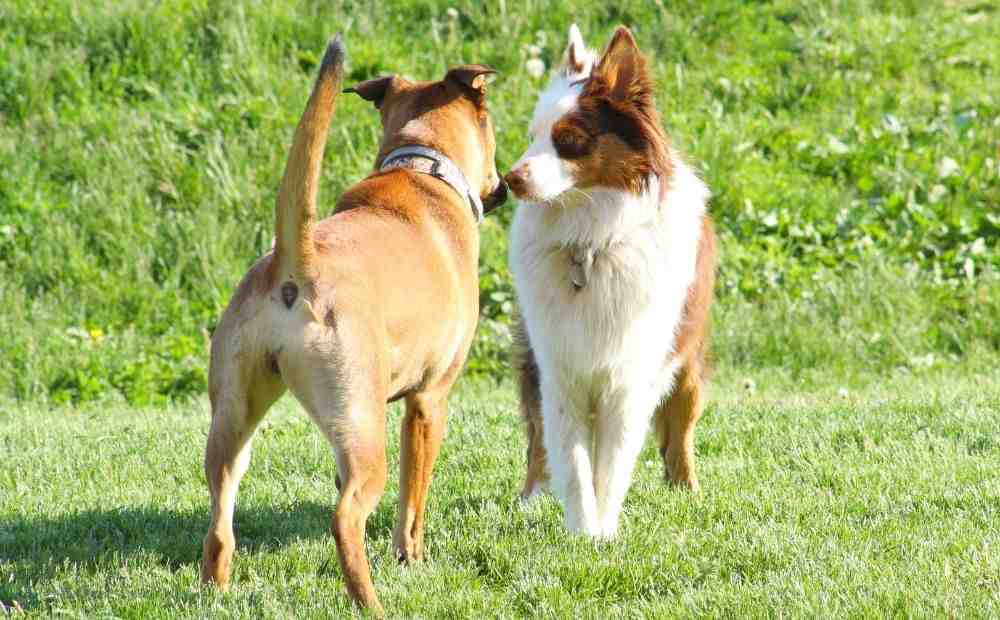
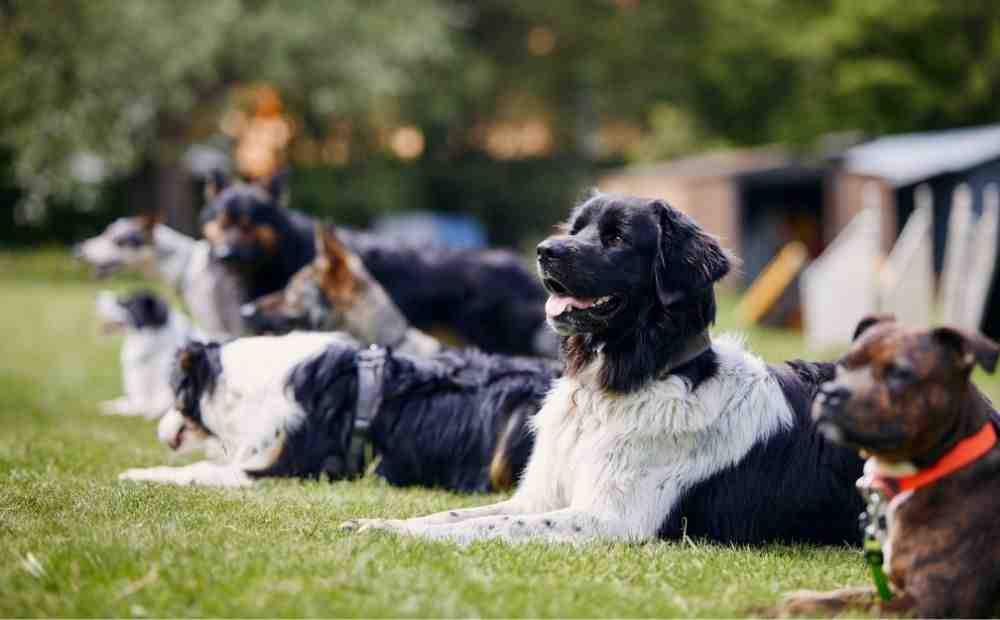
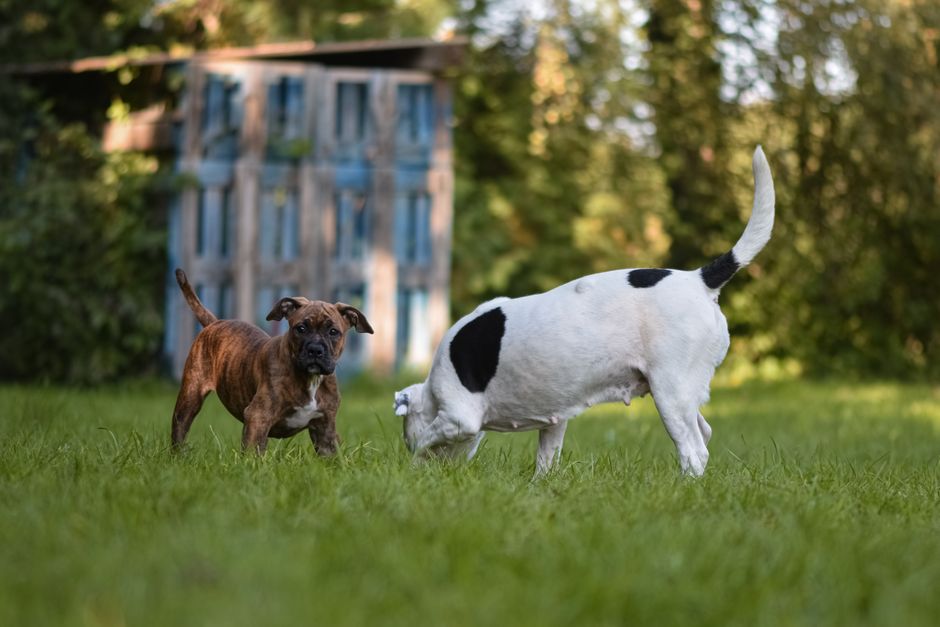
This is why supervised, structured play makes all the difference. Imagine a setting where trained professionals watch every interaction, understand dog body language, and step in before things go sideways. That’s what makes structured environments so valuable—temperament matching ensures your pup plays with dogs who share similar energy levels and play styles, and clean, safe facilities protect their health while they’re learning.
For older puppies ready for doggy daycare, this kind of environment becomes even more important. At Pet Caddy, we build our approach around Small Groups, Big Care, where every dog gets individual attention in our spacious setting. Our Custom Play philosophy means we’re constantly reading the room—or in our case, the five acres—and adjusting groups to ensure everyone’s having a positive experience.
With Hands-On Care from our team and Wide Open Spaces to explore, pups learn social skills in a calmer, more productive way than the chaos of a crowded park. They get to run, play, and build friendships in clean, sanitized areas while we handle all the supervision. It’s a Ranch Adventure designed for their well-being, where they can thrive without the unpredictability of uncontrolled environments.
What to Look for in a Safe Environment for Your Pup
Whether you’re choosing early puppy classes or considering doggy daycare for an older pup, knowing what makes a quality environment can help you make the best choice for your furry friend.
Start with positive reinforcement methods. Any facility worth its treats should reward good behavior with praise, play, or snacks—never punishment or intimidation. This builds confidence and creates happy associations with learning and social time.
The staff should be trained in dog body language. A good attendant can spot the subtle signs—a tucked tail, pinned ears, or stiff posture—and intervene gently before stress turns into a problem. This kind of Hands-On Care ensures every interaction builds your pup up rather than tearing them down.
Strict vaccination and health policies aren’t optional. Reputable places require proof of current vaccines (rabies, distemper/parvo, and bordetella at minimum) and often a recent fecal test. This protects your pup and everyone else at the facility.
Look for clean, sanitized play areas with regular cleaning protocols. Young immune systems need this extra protection, whether it’s an indoor classroom or an outdoor play space.
Finally, consider the space itself. While puppy classes might use smaller indoor areas, ongoing confidence-building thrives with ample space to play and rest. Our five acres of Wide Open Spaces provide the perfect setting for a Ranch Adventure—room to run, explore, and engage in supervised play without feeling crowded or stressed.
The best environments focus on fun and confidence-building above all else. Your pup should come home tired and happy, not anxious or overwhelmed. That’s how you know you’ve found the right fit.
Continuing the Journey: From Puppy Steps to Confident Strides
Building your dog’s confidence isn’t something you check off a list and forget about. It’s an ongoing commitment, a lifetime of positive experiences that keep reinforcing your pup’s comfort and helping them steer the world with a wagging tail. The good news? You don’t have to do it alone, and it doesn’t have to be complicated.
Building on a Great Start at Home
Even after your puppy completes any early training, there’s so much you can do at home to continue building their confidence. These everyday moments are where the magic really happens.
Start with household sounds. That vacuum cleaner that sends some dogs running? Introduce it gradually. Turn it on in another room while your pup gets treats. Move it a little closer each time, always pairing the sound with something positive. The same goes for the doorbell, the blender, and the washing machine. These everyday noises become no big deal when they’re associated with good things.
Different walking surfaces might seem minor, but they matter. Carpet, tile, grass, pavement, gravel, wooden decks—each texture is a new experience. A pup who’s comfortable on all kinds of surfaces is a pup who won’t hesitate when they encounter something new. It’s a simple way to build resilience.
Car rides deserve special attention too. Start with short trips to fun destinations like a neighborhood park or a friend’s house (always with a secure car restraint, of course). This helps your pup learn that the car doesn’t always mean a vet visit. It means adventure.
When it comes to meeting new people, keep it positive and on your pup’s terms. Invite friends over for short visits. Take walks where friendly neighbors might stop to say hello. Have treats ready for new acquaintances to offer. The goal is calm, pleasant interactions—not overwhelming your pup with attention.
And here’s a pro tip: make vet visits positive experiences. Many clinics offer “happy visits” where your pup can pop in just for treats and belly rubs, no exam required. This builds a positive association with the clinic and staff, making future health check-ups so much easier on everyone. For more detailed guidance on how to continue building your pup’s confidence at home, including tips for each developmental stage, check out this helpful resource from Texas A&M University: How to Socialize Puppies.
Finding Your Pup’s Perfect Playgroup in Austin
Once your pup is fully vaccinated and ready for more robust social experiences, the journey continues. Those early positive introductions laid the foundation, but ongoing, supervised interaction is what keeps those social skills sharp and prevents any backsliding.
You want a safe environment where your growing pup can continue learning and playing—a place that feels Like Home even when you’re at work or running errands. That’s where Pet Caddy’s doggy daycare comes in. We serve families across Austin, Spicewood, Horseshoe Bay, Marble Falls, Steiner Ranch, Hudson Ranch, Lakeway, Barton Creek, and Barton Creek Lakeside.
Our doggy daycare isn’t your typical crowded facility. Think of it as a Ranch Adventure on five acres of Wide Open Spaces where dogs can run, explore, and just be dogs. It’s a home-away-from-home atmosphere where play and relaxation are perfectly balanced, all under the watchful eyes of our experienced, caring team.
We believe in Small Groups, Big Care. Our supervised playgroups are carefully curated based on temperament and play style—what we call Custom Play. This approach minimizes stress and maximizes positive interactions, giving your pup the chance to continue developing appropriate social cues and confidence. Our Hands-On Care means our team is always present, ensuring safety, mediating interactions when needed, and offering plenty of affection throughout the day.
Transparency matters to us. Our pricing is straightforward with no hidden fees. What’s more, services like hands-on human interaction and all-day play in our Wide Open Spaces are included at no extra cost—something many other facilities charge separately for. We know you worry about your furry family member, and we want to provide complete peace of mind. You’ll receive personalized attention and daily updates, so you always know how your pup’s day is going.
Your dog will spend their days romping in fresh air, exploring our secure grounds, and enjoying enriching play sessions with their carefully matched friends. They’ll come home happy, tired, and well-socialized, ready for a cozy evening curled up next to you. It’s the perfect way to build on the great start you’ve given them during those critical early weeks.
To learn more about our approach to providing a nurturing, joyful environment for your dog, visit our dog training and daycare services page. We can’t wait to welcome your pup to the Pet Caddy family and continue their journey toward becoming the confident, friendly companion you’ve always dreamed of.