Why Dog Training for Puppies Starts the Day You Bring Them Home
Dog training for puppies isn’t something you schedule for “later” – it begins the moment your new bundle of energy arrives at your door. Here’s what you need to know right away:
Quick Start Guide for Puppy Training:
- Start immediately – Training begins on day one, not when your puppy is “older”
- Focus on 8-16 weeks – This is the critical socialization window that closes fast
- Build trust first – Relationship and structure come before commands
- Use positive methods – Rewards and praise work better than punishment
- Be consistent – Daily short sessions beat occasional long ones
Bringing home a new puppy is exciting, but it’s also a big responsibility. Like human babies, puppies learn constantly in their early months. Early training isn’t just about teaching “sit”—it’s about building a foundation of trust, preventing behavior problems, and creating a lifelong bond.
If a puppy learns not to trust humans, teaching life skills later becomes an uphill battle. The good news? With the right approach, training is a joy, not a chore. Whether you’re a busy Austin professional or a frequent traveler, understanding your options—from puppy classes to specialized programs—helps you make the best choice for your lifestyle and ensure peace of mind.
The Foundation: Why Early Training is Important for a Happy Dog
Beneath all the adorable chaos of a new puppy lies a crucial truth: the first few months of your puppy’s life shape everything that comes after.
Dog training for puppies isn’t about commands at first. It’s about building a relationship where your puppy feels safe, understood, and eager to learn. From your puppy’s perspective, they’ve just left everything familiar. Your first job is to help them understand that this new world is safe and predictable. When you get this foundation right, everything from housetraining to crate training becomes easier.
A puppy who grows up feeling safe and confident becomes an adult dog who can handle new situations without falling apart. At Pet Caddy, we’ve seen thousands of dogs on our five acres in Austin, and those with solid early training adjust with ease, play well with others, and are a joy for their owners. This isn’t about dominance—it’s about creating structure that helps your puppy feel secure.
How to Build Trust and a Strong Relationship
Trust is built through hundreds of small, positive interactions. Every time you respond calmly to a mistake or respect their body language, you’re showing them they are safe and their feelings matter.
Positive associations are everything. When your puppy gets excited to see their leash or runs to their crate, that’s trust. Clear communication is also key. Be consistent in what you ask for and how you reward it, and learn to read their language—the subtle ear twitches and tail wags that tell you how they’re feeling.
Force-free methods are more effective because they encourage your puppy to participate in training without fear. A puppy who feels safe isn’t afraid to make mistakes, and mistakes are how we all learn.
The Power of Positive Reinforcement
The simple truth is that behaviors that get rewarded get repeated. This is positive reinforcement: adding something your puppy loves (a treat, praise) right after they do something you want, making them more likely to do it again.
This approach makes training feel like a fun game. Your puppy learns because they want to figure out what earns a reward, not because they’re afraid of being punished. High-value treats and enthusiastic praise are your most powerful tools.
Positive reinforcement also builds confidence. Each time your puppy succeeds and gets a reward, they learn “I can do this!” Punishment, on the other hand, can create fear and anxiety, teaching your puppy what not to do without showing them the right choice. By focusing on rewarding good choices, we build the behaviors we want while strengthening our bond. This is why dog training for puppies at Pet Caddy is centered on this positive, effective approach.
The Critical Window (8-16 Weeks): Socialization and First Steps

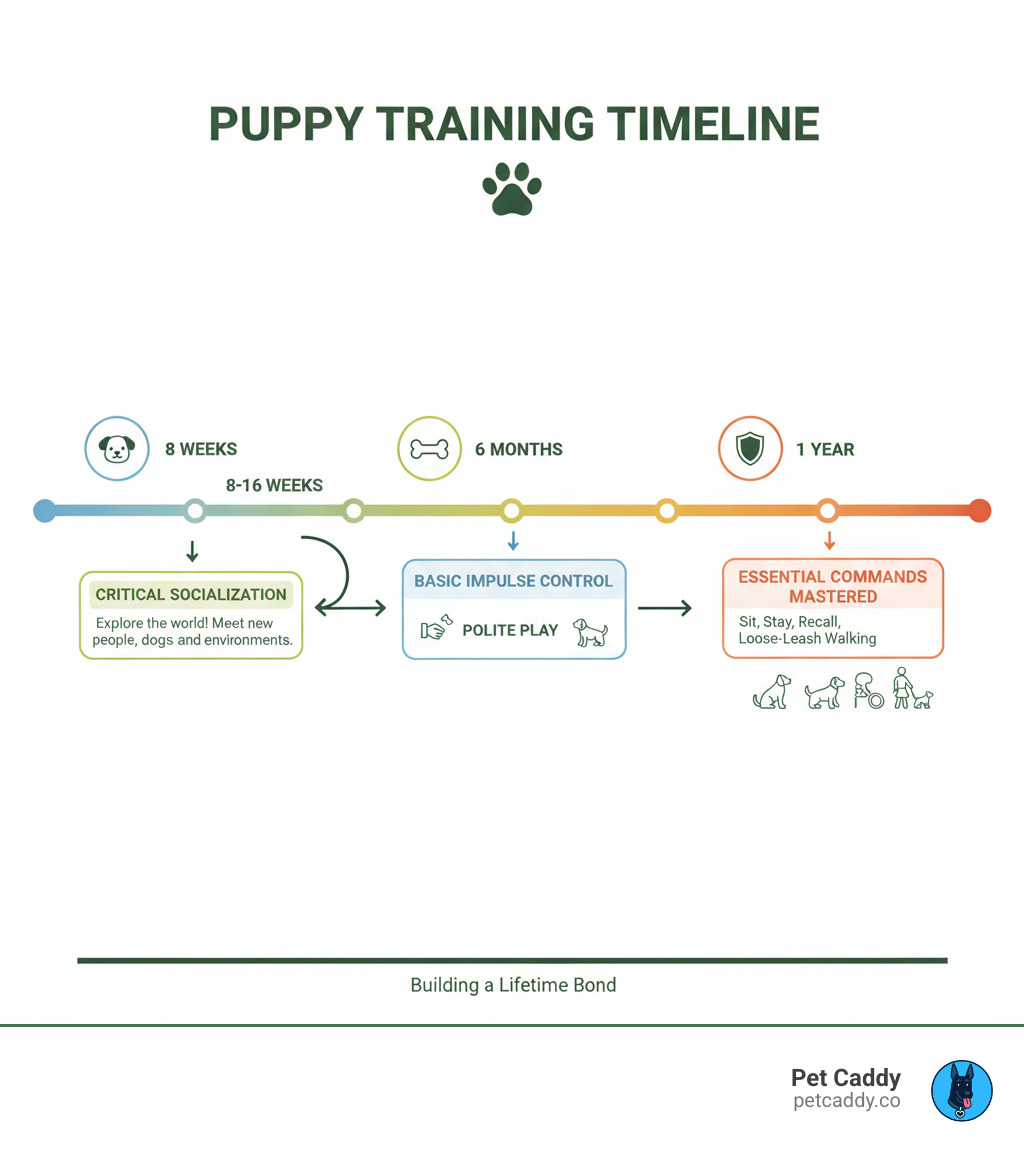
Between 8 and 16 weeks old, your puppy’s brain is a sponge, forming lasting impressions about the world. This critical socialization period closes fast, making it your golden opportunity to shape a confident, well-adjusted dog.
The goal is positive exposure. You want to show your puppy that new things—sights, sounds, people, and surfaces—are fun, not frightening. This includes necessities like vet visits and getting them comfortable with body handling (paws, ears, nails) to make future grooming easier.
Environmental exposure is vital. The sound of traffic, the feel of grass versus tile, or the sight of someone wearing a hat can be scary if not introduced early. During this window, your puppy’s brain is wired to accept new experiences as normal. After 16 weeks, new things can become threatening instead of just interesting. A Puppy Prep Guide can help you plan these positive introductions so you don’t miss this brief but crucial period.
The Role of Socialization in Dog Training for Puppies
Socialization is more than just puppy playdates. It’s about intentionally and safely exposing your puppy to everything they’ll encounter as an adult.
- Meeting New People: Introduce your puppy to people of all ages and appearances (wearing hats, sunglasses, etc.) to build comfort with humans.
- Sounds and Surfaces: Play common household sounds (vacuum, blender) at a low volume with treats, and let them walk on different textures like grass, concrete, and gravel.
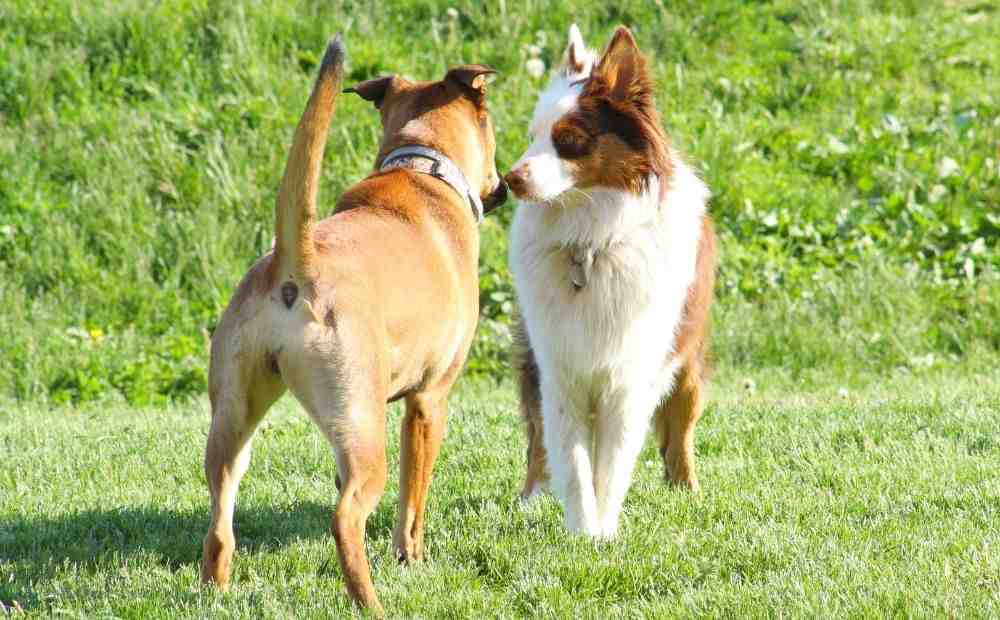
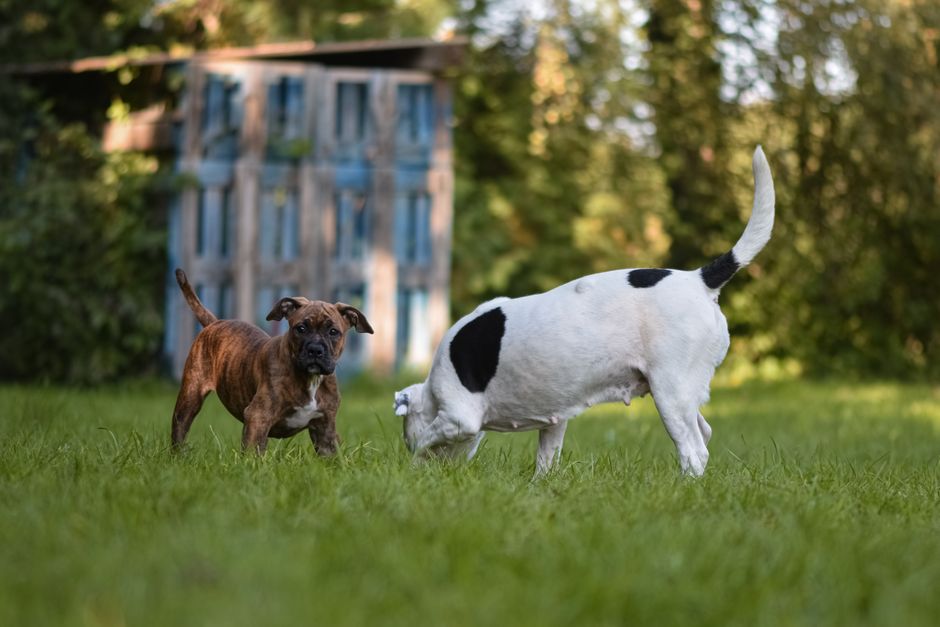
- Positive Experiences with Other Dogs: Supervised play teaches crucial social skills, like how to play politely and read canine body language. Our doggy daycare services provide this structured socialization with a safety net, ensuring every interaction is positive.
A well-socialized puppy becomes a confident, adaptable dog, making all future training easier.
Your Puppy Prep Checklist
Getting the right supplies before your puppy arrives lets you focus on bonding and training.
- Crate: A safe den for your puppy and a key tool for housetraining. Ensure it’s large enough to stand and turn around.
- Food: Start with the food your breeder or shelter used to avoid stomach upset. You can transition to a new high-quality puppy food later.
- Chew Toys: A variety of toys will save your furniture and shoes. Rotate them to keep your puppy engaged.
- Leash and Collar: A lightweight set is essential for early outdoor trips. Check the collar fit frequently as they grow.
- Puppy-Proofing: Get on the floor and look for hazards from a puppy’s point of view. Secure cords, move chemicals, and block access to unsafe areas.
- Daily Routine: Puppies thrive on predictability. A consistent schedule for meals, potty breaks, and naps reduces anxiety and speeds up housetraining.
- Veterinarian: Find a vet you trust and schedule a checkup within the first few days. This ensures your puppy is healthy and on track with vaccinations.
Mastering the Basics: Essential Dog Training for Puppies
With a foundation of trust established, it’s time to teach the practical life skills that make living with your dog a joy. Dog training for puppies at this stage focuses on housetraining, crate training, impulse control, and polite play. These aren’t party tricks; they’re the building blocks for a harmonious life together.
Step-by-Step Housetraining Success
Housetraining requires consistency and patience, but most puppies get the hang of it between four to six months of age. Set your puppy up for success with these steps:
- Frequent Potty Breaks: Take your puppy out every 1-2 hours, plus after waking, eating, and playing.
- Watch for Signs: When you see sniffing, circling, or whining, get them outside quickly.
- Designate a Spot: Use the same spot in your yard each time to build an association.
- Reward Success: When they go outside, offer enthusiastic praise and a high-value treat immediately.
- Supervise Inside: Keep your puppy in sight at all times to prevent accidents. If you can’t watch them, use a crate or puppy-proofed area.
- Clean Accidents Properly: Use an enzymatic cleaner to eliminate odors that attract your puppy back to the same spot.
Crate Training: Creating a Safe Haven
When introduced properly, a crate becomes your puppy’s safe den, not a jail. It’s a sanctuary for rest and a powerful tool for housetraining. Dogs instinctively avoid soiling their sleeping area.
- Choose the Right Size: Your puppy should be able to stand, turn, and lie down, but not have so much space they can use one end as a bathroom. A crate with a divider is great for growing pups.
- Make it Comfortable: Add soft bedding and a favorite toy. Draping a blanket over a wire crate can create a cozier den-like feel.
- Introduce with Positivity: Toss treats inside and let your puppy explore freely. Never force them in. Gradually increase the time the door is closed, always making it a rewarding experience with a chew or stuffed Kong.
- Never Use for Punishment: The crate must always be a positive, safe space. Using it for punishment will destroy trust and set back your training.
Teaching Impulse Control and Polite Play
Impulse control teaches your puppy to think before acting. It’s the foundation of good manners.
- Sit for Everything: Ask your puppy to “sit” before they get anything they want—food, toys, or going outside. This teaches them that polite behavior works.
- Teach “Drop It” and “Leave It”: These commands are crucial for safety. Practice with low-value items and reward them generously for complying.
- Manage Mouthing and Nipping: Puppy mouthing is normal, but they need to learn bite inhibition. If they bite too hard during play, yelp loudly and briefly withdraw attention. This teaches them that hard bites end the fun.
- Redirect to Toys: Always have a chew toy handy. When your puppy starts to nibble on you, redirect their mouth to the toy. You’re not stopping the behavior, just channeling it appropriately.
At Pet Caddy, we believe training should feel like a game. Fun, engaging sessions build a puppy who loves to learn.
Choosing Your Path: Finding the Right Training Program
As your puppy grows, their training needs evolve. There are several excellent paths, including group classes, private lessons, and immersive board and train programs. The key is finding the right fit for your puppy’s personality and your lifestyle. A social pup might love a group class, while an anxious one may need private training. A board and train program can be a great solution for busy owners or those facing specific challenges.
When evaluating programs, look for trainers with certifications like CPDT-KA or KPA CTP, which indicate a commitment to ethical, science-based methods. Our facilities in the Austin area—including Spicewood, Horseshoe Bay, Marble Falls, Steiner Ranch, and Barton Creek—offer various options to support your dog training for puppies journey. If you’re considering a program with boarding, learn more about our dog boarding services to see how we create a stress-free, home-away-from-home experience.
What to Look for in a Puppy Training Class
Group classes offer great socialization. Here’s what to look for to ensure quality:
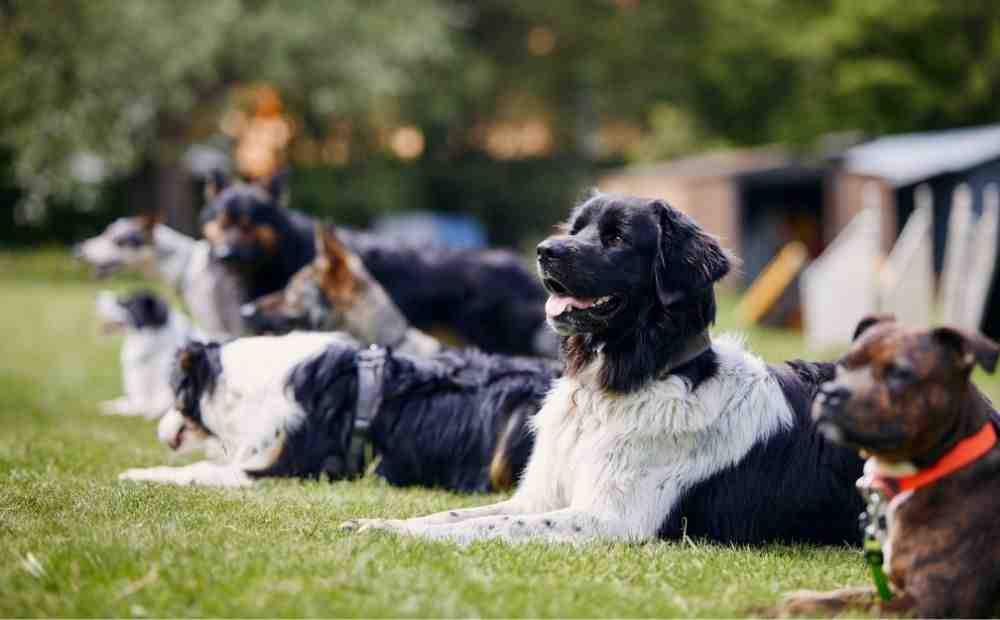
- Small Class Sizes: Look for a class with around six dogs to ensure individual attention.
- Good Trainer-to-Puppy Ratio: At least one trainer or assistant for every 4-6 puppies is ideal for supervision and guidance.
- Safe and Clean Environment: The space should be secure and free from overwhelming distractions.
- Humane, Force-Free Methods: The class must use positive reinforcement. Avoid any trainers who use or recommend choke chains, prong collars, or dominance-based techniques.
- Fun and Engaging Atmosphere: Learning should feel like a game. A good class is filled with laughter and happy dogs.
Comparing Training Program Options
| Program Type | Pros | Cons | Best For |
|---|---|---|---|
| Group Class | Excellent socialization with other puppies; Learn to focus despite distractions; More affordable; Fun, social atmosphere for both dogs and owners; Builds confidence in group settings | Less individual attention; Moves at the pace of the group; May not address specific behavioral issues; Requires weekly commitment to attend | Puppies who need socialization; Owners who enjoy community learning; Dogs with typical puppy issues (no severe behavioral problems); Budget-conscious families |
| Private Training | Fully customized to your dog’s specific needs and personality; Undivided trainer attention; Flexible scheduling; Can address complex behavioral issues; Training happens in your home environment; Faster progress on specific goals | More expensive; Less socialization with other dogs; Requires you to be present and engaged; May need to seek separate socialization opportunities | Dogs with specific behavioral challenges; Busy schedules needing flexibility; Reactive or fearful puppies; Owners wanting intensive, personalized guidance |
| Board & Train | Intensive, immersive training experience; Professional handles daily training sessions; Good for busy owners; Rapid progress in short time; Dog learns in neutral environment; Includes follow-up sessions to transfer skills | Most expensive option; Dog is away from home; Requires owner follow-through to maintain training; Less bonding time during critical period; Need to find reputable, positive-reinforcement program | Severe behavioral issues needing intensive work; Owners with extremely limited time; Dogs who need foundation training quickly; Families preparing for major life changes |
Each path can lead to a well-trained dog. Many owners find success by combining approaches, like group classes for socialization and private sessions for specific issues. Consistency and positive reinforcement are the keys to success, no matter which path you choose.
Training Milestones and Frequently Asked Questions
Every dog learns at their own pace, so don’t worry if your puppy’s progress differs from others. The journey of dog training for puppies is a lifelong process that keeps their mind sharp and your bond strong.
What should my puppy know by 6 months?
By six months, your puppy is entering their “teenage” phase. You should see progress in basic life skills, even with occasional setbacks.
- Housetraining: Accidents should be rare, and they should be better at signaling when they need to go out.
- Polite Play: They should understand that human hands aren’t chew toys and respond to commands like “drop it.”
- Comfortable Being Alone: They should be growing more confident and independent when left alone for short periods.
- Reliable Recall: In familiar areas with few distractions, they should come when called.
- Basic Impulse Control: They should be learning that sitting politely is the key to getting what they want.
What basic behaviors should my dog have by one year?
By their first birthday, your puppy should be transitioning into a well-behaved companion. These skills are the foundation for a great life together.
- Sit and Down: Should be solid commands, even with some distractions.
- Stay: Should be reliable for longer periods and at a distance.
- Loose-Leash Walking: Walks should be becoming more enjoyable and less of a pulling contest.
- “Drop It” and “Leave It”: These safety commands should be becoming automatic.
- Coming When Called: Recall should be dependable in safe, controlled off-leash environments.
These skills are an excellent foundation for more advanced training. For a deeper dive, the AKC’s 10 Essential Skills: Canine Good Citizen Test Items E-book is a fantastic resource.
Is it ever too late to start training a dog?
Absolutely not—it’s never too late to start training a dog! While the early months are a golden opportunity, dogs are capable learners their entire lives.
Whether you have a teenage dog with bad habits or an older rescue, positive reinforcement training works. Older dogs may need more patience, especially if they have ingrained habits or a difficult past, but they can learn new skills and behaviors.
The secret is to meet each dog where they are, adapt your approach, and celebrate every small victory. At Pet Caddy, we’ve had success with dogs of all ages. If you need help with a puppy or an older dog, our team is here to support you. Contact us for professional dog training help.
Start on Your Training Adventure
Your dog training for puppies journey is one of the most rewarding adventures you’ll ever take. It’s a process that builds a precious relationship based on trust, communication, and mutual respect.
We’ve covered the essentials: the critical socialization window, the power of positive reinforcement, and the basic skills that set the stage for a lifetime of good behavior. But the beautiful truth is that training never really ends. It’s an ongoing conversation that deepens your bond and keeps your dog engaged.
A well-behaved companion makes daily life easier and more joyful. Trips are calmer, visitors are happier, and your home is more peaceful. At Pet Caddy, our commitment to positive, force-free training is at the heart of everything we do. Our spacious five-acre facility in the Austin area provides the perfect environment for your dog to learn, play, and grow.
Ready to give your puppy the best possible start or help an older dog learn new skills? We’re here to support you every step of the way. Contact us for professional dog training help at our locations serving Spicewood, Horseshoe Bay, Marble Falls, Steiner Ranch, and Barton Creek.
Your training adventure starts now. Let’s make it an amazing one.