Your New Best Friend Awaits
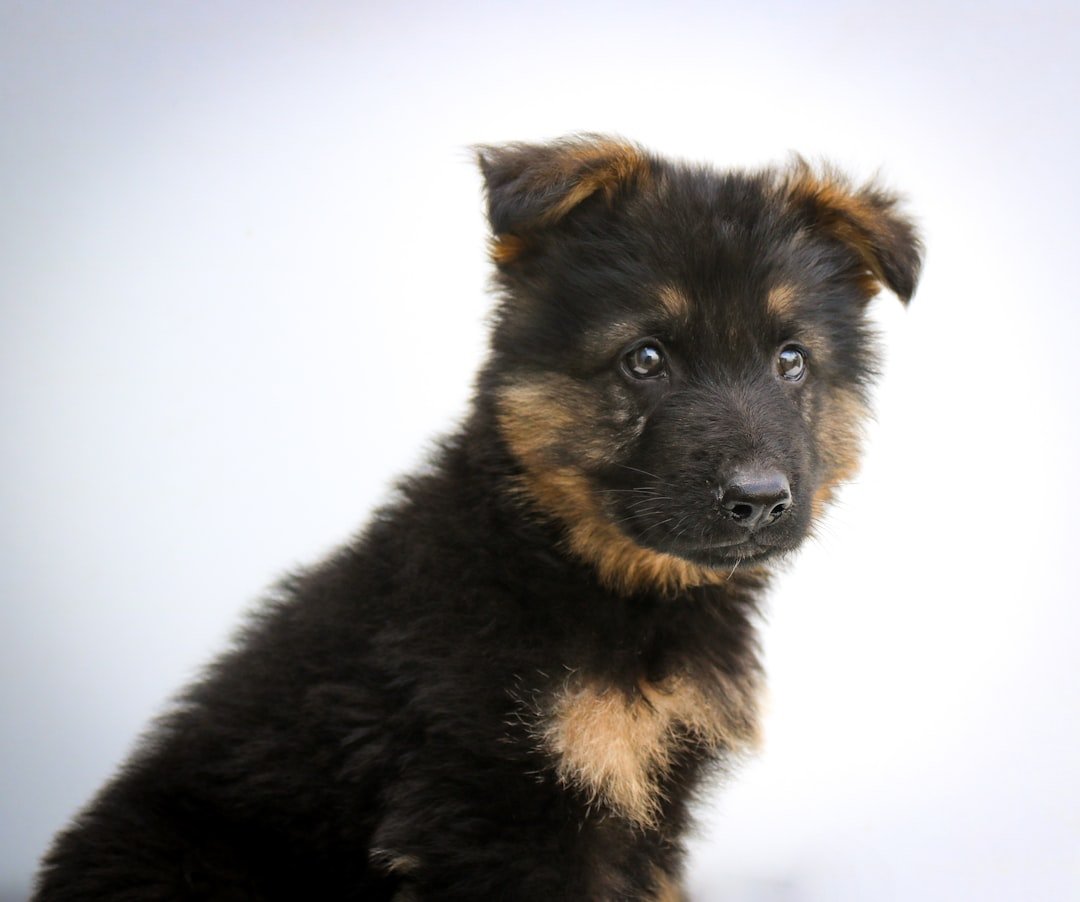
Training a german shepherd puppy is one of the most rewarding experiences you’ll have as a dog owner. These smart, loyal dogs become incredible companions when trained right from the start.
Quick Training Timeline for Your German Shepherd Puppy:
- 8-16 Weeks: Focus on positive new experiences, housebreaking, and basic cues like “sit” and “come”
- 3-9 Months: Build obedience skills, work on leash manners, and practice impulse control
- 9-24 Months: Refine advanced skills and manage the transition to adulthood
- Key Methods: Use positive reinforcement, keep sessions short (5-10 minutes), and stay consistent across all family members
Bringing home a German Shepherd pup means welcoming a dog bred for intelligence and hard work. These dogs were originally shepherds and protectors, so they’re wired to learn, to bond deeply with their family, and to stay alert. That’s wonderful news for training, but it also means your pup needs clear guidance from day one.
Your German Shepherd puppy can start learning as early as 5-6 weeks old. By 8 weeks, they have nearly adult-like learning capacity. That means the moment you bring your pup home, you’re already in the training window. The good news? GSDs are generally easier to train than many other breeds because they’re smart and eager to please. The challenge? Their intelligence means they’ll find loopholes if you’re inconsistent.
This guide will walk you through the fundamentals, from puppy-proofing your home to teaching important commands, handling common puppy problems, and keeping your GSD mentally and physically happy. With patience, consistency, and a positive approach, you’ll set your pup up for a lifetime of good behavior and tail wags.

Training a german shepherd puppy terminology:
Understanding Your GSD Pup: Temperament and Home Prep
German Shepherds are magnificent dogs, known for their intelligence, loyalty, and versatility. Understanding their unique temperament is the first step to successfully training a german shepherd puppy. These aren’t just pretty faces; they come from a long line of working dogs, bred to herd sheep and protect flocks. This heritage gives them a high drive, abundant energy, and protective instincts that, without proper guidance, can lead to unwanted behaviors.
Their keen intelligence and eagerness to please make them highly trainable. They thrive on having a “job” to do, which can be anything from learning new tricks to participating in dog sports like agility or nose work. However, this intelligence also means they can be a bit clever. If you’re inconsistent in your rules or expectations, your smart pup will quickly find the “loopholes” and do things their way!
GSDs can be naturally aloof or suspicious of strangers, a trait from their protective nature. This isn’t aggression; it’s a built-in guardian instinct. Because of this, early and thorough positive exposure to new things is important to help them distinguish between a friendly visitor and a real threat. A bored German Shepherd can quickly become a destructive one, turning their energy towards chewing up furniture or digging up your prized petunias. Providing consistent guidance, clear structure, and calm leadership from day one will help channel their wonderful traits into a well-behaved, confident companion.
Before your new furry family member arrives, preparing your home is a must. Puppy-proofing your space and gathering the right supplies will make the transition smoother for everyone. Think of it as creating a safe, welcoming haven for your pup to explore and learn. For a complete list of what you might need, check out Everything You Need for a German Shepherd Dog. And for broader puppy training tips, our Dog Puppy Training Guide is a great resource.
Getting Ready for Your German Shepherd Puppy
Bringing a puppy home is like preparing for a delightful, furry tornado! A thorough puppy-proofing checklist will save you headaches (and your shoes). Here’s what we recommend:
- Secure Hazardous Objects: Get down on their level. What can they reach? Remove anything toxic, electrical cords, small objects they might swallow, or anything valuable that could become a chew toy. Secure low cabinets and trash cans.
- Remove Toxic Plants: Many common houseplants are toxic to dogs. Do a quick check and move any potential dangers out of reach.
- Create Safe Spaces: Designate a quiet, comfortable area for your puppy, such as their crate or a specific puppy-safe room. This is their sanctuary where they can relax without interruption.
- Establish a Routine: Dogs, especially German Shepherds, thrive on predictability. A consistent routine helps reduce anxiety and builds good habits.
- Feeding Schedule: Stick to regular meal times. This helps regulate their digestive system and makes potty training more predictable.
- Potty Breaks: Take your puppy out frequently—first thing in the morning, after meals, after naps, after playtime, and before bed. This consistency is the backbone of house-training.
- Sleep Schedule: Ensure your puppy gets plenty of undisturbed rest in their designated sleeping area.
Supplies for Training and Care
Having the right gear makes all the difference when you’re training a german shepherd puppy. Here’s a rundown of what you’ll need:
- High-Quality Large-Breed Puppy Food: German Shepherds grow quickly, and proper nutrition supports their bone and muscle development. Look for a large-breed formula for their unique growth needs to help prevent issues like hip dysplasia, to which the breed is prone. Avoiding excessive weight gain is important.
- Sturdy Leash and Collar/Harness: A comfortable, secure collar or harness and a durable leash are needed for daily walks and training. We love to see pups enjoy loose leash walks around our Austin-area facilities!
- Chew Toys: Bored GSD? They need appropriate outlets for chewing. Provide several safe, durable chew toys to satisfy their natural instincts and keep them from gnawing on your furniture.
- Grooming Tools: German Shepherds have a thick double coat that requires regular brushing (several times a week) to manage shedding and keep it healthy. You’ll also need nail clippers, ear cleaner, and a dog-friendly toothbrush and toothpaste. Accustoming your pup to being handled and groomed early will make future care much easier.
- A Comfortable Crate: A crate isn’t a punishment; it’s a safe, cozy den for your puppy. It’s invaluable for house-training and can help reduce separation anxiety, offering a secure place to rest when you can’t supervise them.
- Training Treats: Small, high-value treats are fantastic for positive reinforcement. While some German Shepherds can be fussy eaters, finding a motivator they love (whether it’s a special treat, a favorite toy, or enthusiastic praise) is key to making training fun and effective.
The GSD Puppy Training Timeline: Key Stages & Goals
The journey of training a german shepherd puppy is a bit like watching a tiny sprout grow into a majestic oak. Each developmental stage brings new opportunities and challenges. By understanding these stages, we can set appropriate training goals, build their confidence, and ensure patience and consistency are our guiding principles. For a deeper dive into puppy training in general, our Puppy Training page offers valuable insights.
8-16 Weeks: The Foundation Phase
This is a highly important period in your German Shepherd puppy’s life. Think of it as their “sponge phase”—they’re soaking up everything!
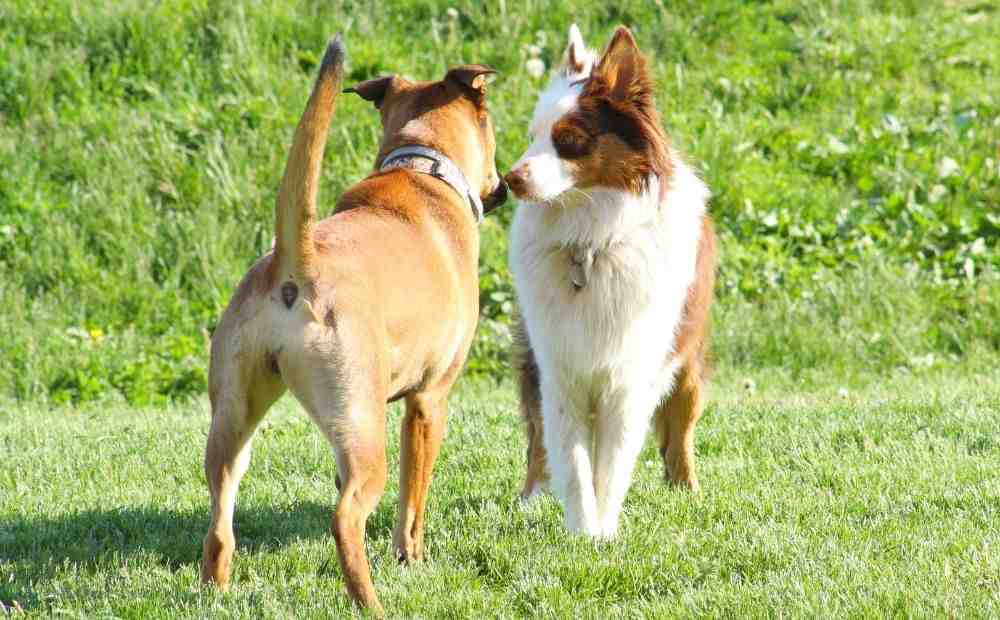
- The Key Socialization Window: This window typically closes between 12 to 16 weeks of age (some sources say 3-12 weeks, but the earlier, the better!). During this time, introduce your puppy to many different positive experiences: people (young, old, hats, glasses), environments (surfaces, sounds), and other friendly, vaccinated animals. Controlled exposure, where your puppy learns to observe calmly rather than interact with every dog, helps build confidence and prevent over-excitement or reactivity. We believe that proper early exposure is a cornerstone of a well-adjusted dog, and our resources on socializing your puppy in Austin can help you steer this important period.
- Housebreaking Begins: By 8 weeks, puppies gain voluntary control of their bladder, making it the perfect time to start dedicated potty training. Consistency is paramount here. Frequent trips outside, especially after waking, eating, and playing, will set them up for success. Our Puppy Potty Training guide offers practical tips to master this important skill.
- Crate Training as a Safe Den: Introduce the crate as a positive, safe space, not a punishment. It’s an invaluable tool for house-training, providing a secure spot for your pup when you can’t supervise them, and can help prevent separation anxiety. For a step-by-step guide, check out our resource on crate training.
- Introducing Basic Cues: Your German Shepherd puppy can learn simple commands incredibly early! As young as 5-6 weeks, they can learn to “come” when called (a life-saving skill!), and by 5-8 weeks, they can master the “sit” cue. Keep sessions short (5-10 minutes) and fun, using positive reinforcement.
3-9 Months: The “Teenage” Phase
Welcome to adolescence! Just like human teenagers, your GSD pup might test boundaries, experience selective hearing, and generally be a bundle of energy. This phase is all about reinforcing good habits and introducing more structure.
- Obedience Training: Continue to build on basic commands like “sit,” “come,” and “lie down.” Between 8-12 weeks, puppies should know various behavioral cues. This is also a great time to introduce “go to bed” or “place,” teaching them to settle in a designated spot.
- Leash Manners: By 3-5 months old, your pup should be ready for daily loose leash walks. Start in low-distraction areas and gradually introduce them to more stimulating environments. The goal is a pleasant walk for both of you, not a tug-of-war!
- Impulse Control Exercises: German Shepherds have high drive. Teaching impulse control—like waiting patiently for food or not bolting out the door—is a key part of training. This helps them learn self-control and makes them more reliable companions. Requiring them to “sit” before receiving anything they want (food, a toy, going outside) is a simple and effective exercise.
- Navigating Fear Periods: Puppies can experience “fear periods” during adolescence, where they suddenly become scared of things they previously ignored. Continue positive exposure to new sights and sounds, but never force interactions.
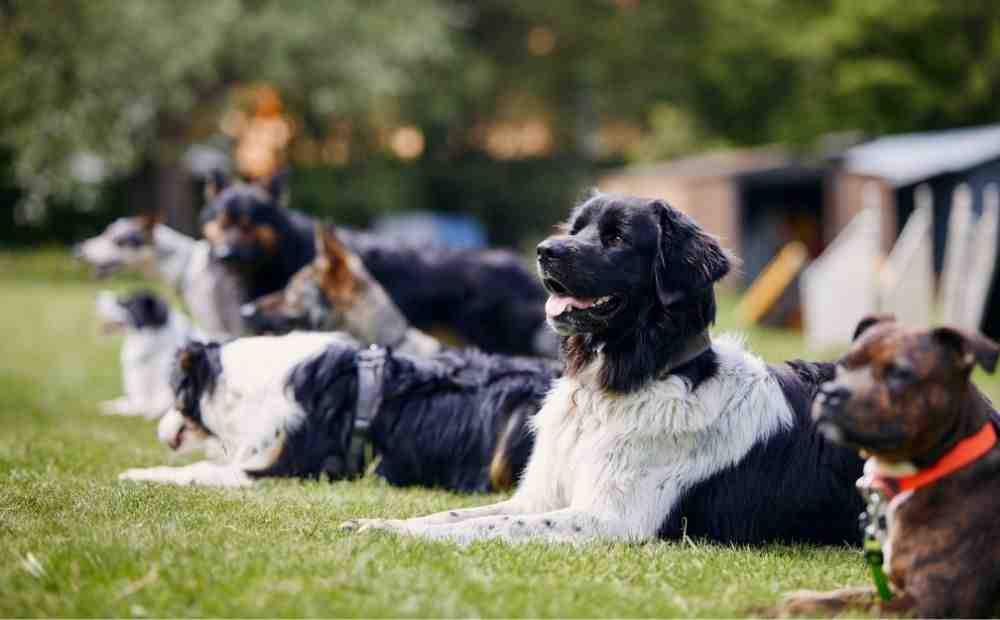
- Group Training Classes: Around 8-12 weeks, and definitely during this phase, group classes are invaluable. They help your puppy learn to focus on you amidst distractions from other dogs and people, sharpening their skills in a new environment. This is also a fantastic opportunity for continued social exposure in a structured setting.
9-24 Months: Refining Skills & Maturity
German Shepherds mature slowly, often not reaching full adult maturity until two or even three years old, with males typically maturing later than females. This means consistent training continues to be vital.
- Advanced Skills: German Shepherds are happiest when they’re busy! This is the perfect time to explore advanced training. Consider specialty classes like impulse control, nose work, or scent training. These activities tap into their natural instincts and provide fantastic mental stimulation.
- Mental Challenges: Continue to engage their brilliant minds with daily obedience refreshers, trick training, and problem-solving activities using puzzle toys. A mentally tired GSD is often a calm and happy GSD.
- Managing Alertness: Around this age, some German Shepherds become more alert to outside noises. They might start barking at people or dogs walking past your Austin home, or visitors approaching the door. This isn’t necessarily aggression, but a manifestation of their protective instincts. Focused training on calm behavior, such as sending them to their “place” when guests arrive, is important. For guidance on addressing different behaviors, our article on Behavior Training for Dogs: What It Is and How to Get Started can offer support.
- Continued Training: Training isn’t a one-and-done event. It’s an ongoing conversation that strengthens your bond and keeps your German Shepherd sharp. Consistency now will pay dividends for years to come.
Your Complete Guide to Training a German Shepherd Puppy
When it comes to training a german shepherd puppy, we believe in making it a joyful and rewarding experience for both you and your pup. Positive reinforcement, short and sweet training sessions, and a focus on building a strong, trusting bond are our favorite ingredients for success. For more general advice on Dog Training for Puppies, we’ve got you covered.
Important Commands for Your GSD Puppy
These basic commands are the building blocks for a well-behaved German Shepherd. Introduce them one by one, practice frequently, and always make it fun!
- Sit: A fundamental command that’s easy for puppies to learn. It’s a great default behavior for greetings, waiting for food, or simply asking for attention. Your puppy can learn how to how to sit as early as 5-8 weeks.
- Stay: Once your pup understands “sit,” “stay” teaches them patience and self-control. Start with short durations and gradually increase the time and distance.
- Come: This is a life-saving command! A reliable recall ensures your dog will return to you, even with distractions. Puppies can learn to come when called as young as 5-6 weeks.
- Down: “Down” is a calming command that helps your dog settle. It’s also useful for preventing jumping and teaching relaxation. You can teach your dog to lie down early on.
- Leave It: This command teaches your pup to ignore tempting (and potentially dangerous) items. It’s invaluable for safety, especially on walks or when they find something they shouldn’t have at home.
- Place or “Go to Bed”: This teaches your dog to go to a specific spot (like their bed or mat) and stay there until released. It’s wonderful for managing greetings, meal times, or simply having them settle while you’re busy. Teaching them to go to their bed is a fantastic skill.
For a deeper dive into these foundational skills, check out our guide to Puppy Basic Obedience Training.
Tackling Common Puppy Problems
Even the smartest pups have their moments! Here’s how we approach some common German Shepherd puppy challenges with patience and positive guidance:
- Nipping and Bite Inhibition: Puppy nipping is natural; it’s how they explore and play. However, it’s important to teach bite inhibition. When your puppy nips too hard, yelp loudly, and withdraw attention immediately. Redirect them to appropriate chew toys. Never punish them for nipping, as this can create fear and lead to more serious biting issues later.
- Jumping on People: German Shepherds are big dogs, and a jumping adult GSD can knock someone over. Address this early. When your puppy jumps, turn your back, ignore them, and only give attention when all four paws are on the floor. Ask for a “sit” and reward that calm behavior. Inconsistency here is a German Shepherd’s best friend for continued jumping!
- Excessive Barking: GSDs are alert and can be prone to barking at sounds or strangers. Identify the trigger. For example, if they bark at visitors, teach them to go to their “place” and reward them for staying calm. Consistency is key to teaching them when it’s okay (and not okay) to vocalize. For more tips on not barking, resources are available.
- Pulling on the Leash: This is a common struggle, especially with powerful breeds. Start leash training early with positive reinforcement, rewarding loose-leash walking. If they pull, stop walking until the leash slackens, then continue. Consistent loose leash walks by 3-5 months old are the goal.
- Destructive Chewing: A bored German Shepherd is a destructive German Shepherd. Ensure your pup has plenty of appropriate chew toys and mental stimulation. If you catch them chewing something they shouldn’t, redirect them to a proper toy. Crate training can also help prevent unsupervised destructive chewing. Our article on how to stop chew up items provides more insights.
The Best Tools and Techniques for training a german shepherd puppy
We’ve learned that the most effective approach to training a german shepherd puppy involves a blend of smart strategies and a whole lot of heart:
- Positive Reinforcement: This is our golden rule. Reward desired behaviors with high-value treats, enthusiastic praise, a favorite toy, or gentle pets. This builds confidence, strengthens your bond, and makes training a joy. Dogs learn through association, so ensure you’re rewarding the behaviors you want to see repeated.
- Clicker Training: A clicker can be a fantastic tool to mark the exact moment your dog performs a desired behavior. It’s a clear, consistent signal that tells them, “Yes! That’s exactly what I wanted!” The click is always followed by a reward.
- High-Value Rewards: What motivates your pup? For some, it’s a tiny piece of cheese; for others, it’s a squeaky toy or a quick game of fetch. Find what your GSD loves most and use it for training.
- The Power of Praise: Teach your puppy that your happy voice means good things! Pair verbal praise (“Good dog!”) with a treat. Over time, your praise alone will become a great reward.
- Consistency Across the Family: This is non-negotiable for German Shepherds. Everyone in your household must use the same commands, hand signals, and rules. If one person lets the dog jump, but another doesn’t, your clever GSD will quickly learn to exploit that inconsistency.
- Why Patience is Your Best Tool: Puppyhood is fleeting, but the habits you establish last a lifetime. There will be frustrating days, but staying calm, kind, and consistent will yield the best results. Your German Shepherd may not reach full maturity until 2-3 years old, so this is a marathon, not a sprint!
Beyond the Basics: A Happy and Balanced GSD
A well-trained German Shepherd is more than just a dog who knows commands; they’re a balanced, happy companion. This means addressing their needs for both mental stimulation and physical exercise.
- Mental Stimulation: For German Shepherds, mental exercise is just as, if not more, important than physical exertion for tiring them out. Their keen minds need to be challenged!
- Puzzle Toys: These are fantastic for keeping their brains engaged as they figure out how to get treats.
- Scent Games: GSDs have incredible noses. Hide-and-seek with treats or toys, or even formal nose work training, can be incredibly rewarding and tiring for them.
- Structured Play: Incorporate daily obedience refreshers and trick training into your routine. This constant learning keeps their minds sharp and focused.
- Physical Exercise: While a mentally stimulated GSD is calmer, they still need plenty of physical activity.
- Controlled Leash Walking: Daily walks are a must. Explore different routes and environments around Austin, Spicewood, or Lakeway to keep things interesting.
- Structured Play: Games like fetch or tug-of-war (with clear rules, like “drop it” on command) are great energy outlets.
- Importance of Rest: Just like us, puppies need downtime! Balance their activity with ample rest periods. Overtired puppies can become cranky and prone to misbehavior.
- Avoiding Over-Exercising Young Puppies: German Shepherds are prone to hip dysplasia. Avoid high-impact activities like jumping, excessive running, or long, strenuous hikes until their growth plates have fully developed (typically around 12-18 months). Gentle, controlled exercise is best for growing bones and joints.
- Hip Health: Beyond avoiding strenuous exercise in youth, proper nutrition (large-breed puppy food) and maintaining a healthy weight are important for supporting hip health throughout their lives. Joint supplements can also be considered as a preventative measure.
Frequently Asked Questions about Training a GSD Puppy
Are German Shepherds easy to train?
Yes, generally speaking, German Shepherds are considered easy to train compared to many other breeds. Their high intelligence and strong desire to please their people make them excellent students. They can learn new behaviors quickly, sometimes with near adult-like capacity by just 8 weeks old! However, “easy” doesn’t mean “automatic.” Their intelligence also means they’re quick to pick up on inconsistencies. If you’re not clear and consistent, they’ll train you! The key is finding their motivation, whether it’s treats, praise, toys, or play, and using positive reinforcement. They’re not harder, just smarter, so clear communication from you is paramount.
When is the best age to start training a GSD puppy?
The best age to start training a german shepherd puppy is immediately! As soon as you bring your puppy home, typically around 6-8 weeks of age, they are ready to learn. This early period is important for:
- Early Experiences: The key window for introducing new things closes between 12-16 weeks, so positive exposure to new sights, sounds, people, and friendly dogs should begin right away.
- House-training: Puppies gain voluntary bladder control by 8 weeks, making early potty training a priority.
- Basic Cues: Commands like “come” (as early as 5-6 weeks) and “sit” (5-8 weeks) can be introduced almost immediately.
Formal obedience classes can start around 8-12 weeks, as these group settings help puppies learn to focus amidst distractions. Every interaction is a learning opportunity for your German Shepherd, so make them count from day one!
How do I stop my GSD puppy from biting and nipping?
Puppy biting and nipping is a normal behavior, but it needs to be managed for your German Shepherd to grow into a well-mannered adult. Here’s our approach:
- Bite Inhibition: This is about teaching your puppy to control the force of their bite. When they nip too hard, give a loud “Ouch!” or “Yipe!” and immediately withdraw your attention (and hand). If they continue, briefly leave the room. This teaches them that hard bites end the fun.
- Redirecting to Toys: Always have appropriate chew toys handy. When your puppy starts to nip at you, immediately redirect their attention to a toy. Praise them when they chew on the toy instead of your hand.
- Time-Outs: If your puppy is overly excited and won’t stop nipping, a brief time-out (30-60 seconds in their crate or a puppy-safe area) can help them calm down.
- Never Punish: Avoid physical punishment or harsh scolding. This can create fear, damage your bond, and potentially lead to more serious aggression issues later on. The goal is to teach, not to scare. Consistency and patience are key here; your puppy will learn if you’re clear and consistent.
Conclusion: Enjoying a Lifetime of Friendship
Starting on the journey of training a german shepherd puppy is a rewarding adventure that shapes not just your dog’s behavior, but also the incredible bond you’ll share. From those first joyful tail wags to mastering complex commands, every step you take with patience, consistency, and positive reinforcement builds the foundation for a loyal, confident, and well-behaved companion. A well-trained GSD is a happy GSD, and a happy GSD makes for a happy home.
If you find yourself needing a helping hand with dog training in the Austin area, we at Pet Caddy are here to support you and your pup. We offer premier dog boarding, daycare, and board & train services across Austin, Spicewood, Horseshoe Bay, Marble Falls, Steiner Ranch, Hudson Ranch, Lakeway, Barton Creek, Barton Creek Lakeside, and Bee Cave. We pride ourselves on offering a “Like Home” experience with personalized attention, daily updates, and a spacious, stress-free environment on our five-acre “Ranch Adventure.” We believe in “Small Groups, Big Care,” ensuring every pup receives the Hands-On Care they deserve. Our transparent pricing means no hidden fees, and services like Supervised all-day play are always included at no extra cost, unlike many others. We’re dedicated to helping you and your German Shepherd succeed, fostering good manners and public etiquette in every dog who comes through our doors.
Your hard work and dedication will pay off with a lifetime of wonderful memories and countless tail wags. Here’s to a future filled with joyful companionship! For more on getting started with your pup’s manners, explore our Dog Obedience Training resources.