Why Positive Reinforcement Training Works for Every Dog
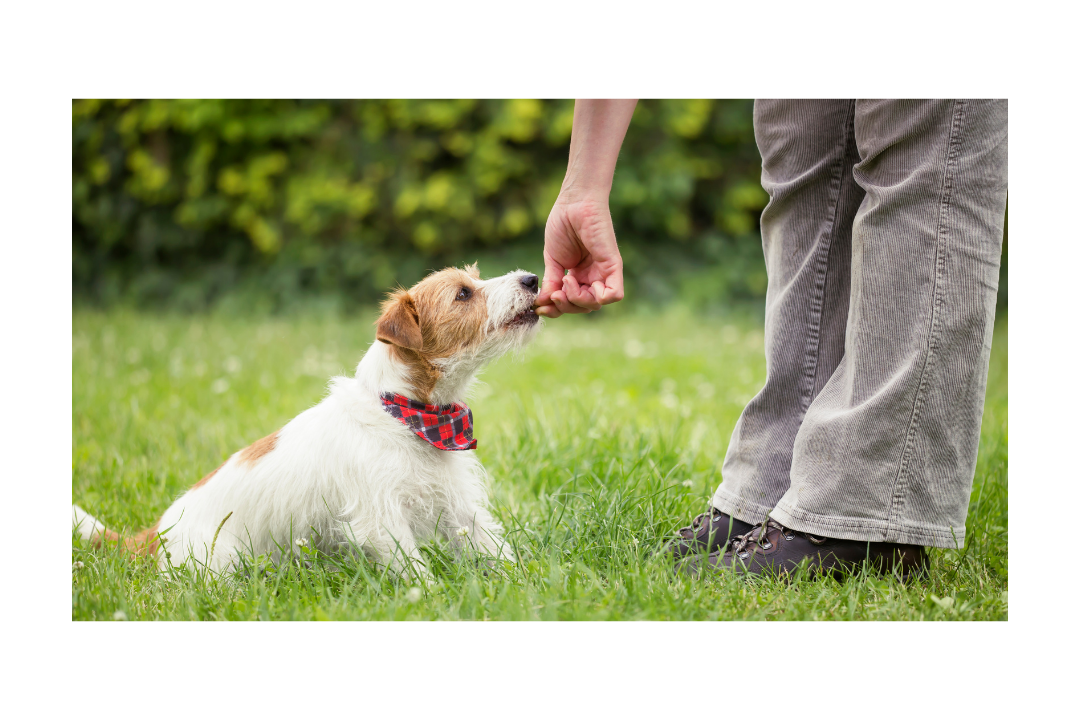
A positive reinforcement trainer uses rewards like treats, praise, and play to teach new behaviors and strengthen good habits. This science-based approach builds trust and reduces stress, creating a willing partner without fear or force.
What a Positive Reinforcement Trainer Does:
- Rewards desired behaviors with treats, toys, praise, or play
- Marks the exact moment a dog does something right (using a clicker or verbal cue like “Yes!”)
- Builds confidence by setting dogs up for success
- Avoids aversive methods like punishment or physical corrections
- Strengthens the bond between dog and owner through trust and clear communication
If you’ve worried about your pup feeling stressed during training, or wondered if there’s a kinder way to teach good manners, you’re in the right place. At Pet Caddy, we believe training should feel like play. Our approach is rooted in respect, patience, and plenty of tail wags.
Positive reinforcement is humane and backed by decades of research. The American Veterinary Society of Animal Behavior endorses reward-based methods because they lead to happier, more confident dogs and stronger relationships. Whether you’re housetraining a puppy or teaching polite greetings, this gentle approach sets your dog up for long-term success.
At our 5-acre ranch in the Austin area, we use positive reinforcement in everything we do, from supervised play to hands-on care. When your dog feels safe and valued, learning becomes a joyful adventure.
Quick look at positive reinforcement trainer:
What is Positive Reinforcement Training? The Science of Tail Wags
Training is all about communication. The best methods are built on understanding, respect, and fun. That’s where positive reinforcement comes in, a method our positive reinforcement trainer team at Pet Caddy fully accepts.
At its heart, positive reinforcement teaches dogs what we do want them to do, rather than punishing them for what we don’t. It’s based on a simple concept from animal learning called operant conditioning: dogs are more likely to repeat behaviors that lead to good outcomes. This isn’t a bribe; it’s a clear way of communicating what we’d love to see more of from our furry friends.
At Pet Caddy, we believe in setting our dogs up for success. We allow them to make good choices and then reinforce those choices with something wonderful. This approach not only teaches new skills but also builds confidence and reduces anxiety. It’s our “Like Home” philosophy extending into every aspect of their care, including training. When dogs feel safe and rewarded, they become eager participants in their own learning journey.
The Four Quadrants of Dog Training Explained
To understand positive reinforcement, it helps to know the four ways learning can happen in operant conditioning:
- Positive Reinforcement (adding a good thing): This is our focus! When your dog does something you like (like sitting when asked), you add something they love—a treat, toy, or praise. This makes the good behavior more likely to happen again. Your pup learns: “Sitting gets me good stuff!”
- Positive Punishment (adding a bad thing): This adds something unpleasant (like a leash jerk) to decrease a behavior. It can cause fear and anxiety, damaging trust. At Pet Caddy, we avoid these methods.
- Negative Reinforcement (removing a bad thing): This removes something unpleasant to increase a behavior, like releasing pressure from a choke chain when a dog stops pulling. It still relies on discomfort to motivate. We prefer to encourage with joy.
- Negative Punishment (removing a good thing): This removes something desirable to decrease a behavior. For example, if your dog jumps for attention, you turn your back, removing the attention. Our positive reinforcement trainer team may use this gently, always pairing it with rewarding the calm behavior we want to see.
At Pet Caddy, our philosophy means we focus almost exclusively on positive reinforcement, sometimes using negative punishment gently to redirect. We believe in force-free methods that ensure your dog loves learning and trusts us completely. You can find more about our approach to behavior training for dogs at Pet Caddy.
Why Science Supports a Gentle Approach
The world of dog training has evolved, and science is on the side of kindness. The American Veterinary Society of Animal Behavior (AVSAB) endorses reward-based methods, stating that “aversive training methods have a damaging effect on both animal welfare and the human-animal bond.” This is about being effective, ethical, and building a lasting relationship.
When we use positive reinforcement, we build a dog’s confidence and reduce stress. Dogs trained this way don’t perform out of fear; they perform because they want to. This creates a willing partner who engages joyfully in learning. It fosters a relationship built on trust and positive experiences, which is exactly what we strive for in our “Like Home” environment at Pet Caddy. To dive deeper, you can read more on the science of operant conditioning.
Core Principles and Techniques of a Positive Reinforcement Trainer
Training should be a fun ranch adventure for you and your dog. Our positive reinforcement trainer team at Pet Caddy follows a few core principles that make all the difference.
Timing is everything. The reward must come within seconds of the behavior for your dog to connect the two. Reward too late, and you might be rewarding the wrong thing!
Consistency is key. Dogs need predictability. If one person rewards a “sit” and another allows jumping, your pup will get confused. Everyone in the house needs to be on the same page for clear communication.
Motivation is paramount. What makes your dog’s tail wag? A piece of cheese, a squeaky toy, or a belly rub? Find what motivates your pup. Keep sessions short and fun to keep them engaged.
Key Techniques You Can Use at Home
A good positive reinforcement trainer has a toolkit of joyful techniques. Here are a few to try at home:
- Luring: Use a treat to guide your dog into position. To teach “sit,” hold a treat at your dog’s nose and move it back over their head. Their rear will naturally lower. The moment it touches the ground, mark and reward!
- Shaping: For complex behaviors, reward small steps toward the final goal. To teach your dog to put toys away, you might first reward looking at the toy, then touching it, then picking it up. It builds confidence by letting the dog figure it out.
- Capturing: When your dog offers a great behavior on their own—like lying down calmly—you “capture” it by immediately marking and rewarding. It reinforces good choices as they happen.
- Marker Training: A marker—a clicker or a word like “Yes!”—tells your dog the exact moment they did something right. The marker is always followed by a reward.
- Clicker Training: The distinct sound of a clicker is a very clear marker.
- Verbal Markers: A consistent, upbeat word like “Yes!” works just as well.
- Fading the Lure: Once your dog knows a behavior, you can fade the treat lure and replace it with a hand signal or verbal cue.
These techniques are foundational for teaching everything from basic obedience to fun tricks. For more insights, check out our guide on puppy basic obedience training at Pet Caddy.
Ensuring Consistency for Clear Communication
Clear communication is the secret sauce. Here’s how to stay consistent:
- Simple Commands: Use short, clear commands. “Sit!” works much better than a full sentence.
- Hand Signals: Pair verbal cues with hand signals. They can be clearer for dogs, especially in noisy places or as they age.
- Getting the Family on Board: Get the whole family on the same page. A shared list of cues prevents confusion.
- Managing Interactions with Strangers: Be consistent, even with new people. Ask them to wait for your dog to sit before petting.
- Setting Your Dog Up for Success: Manage the environment to prevent unwanted behaviors. If your dog jumps on guests, use a leash and reward them for keeping all four paws on the floor.
The Benefits and Common Misconceptions
At Pet Caddy, we love positive reinforcement because it works and strengthens the bond you share with your dog. It’s a training philosophy that makes for a joyful partnership.
The Many Benefits of Positive Reinforcement
The advantages are a treat for both dogs and their humans:
- Less Anxious, More Confident Dogs: Positive reinforcement leads to less anxious, more confident dogs. Rewarding good choices helps them feel empowered, not fearful.
- Decreased Likelihood of Aggression: This method reduces the likelihood of aggression by teaching appropriate responses without using fear.
- Improved Human-Animal Bond: It builds a strong, trusting relationship. Your dog sees you as a safe, positive guide, leading to more tail wags and a deeper connection.
- A More Tolerant and Predictable Companion: Dogs become more self-controlled and predictable, making them great companions anywhere, from our wide-open spaces to your home in Lakeway or Marble Falls.
- Proactive vs. Reactive Training: This approach is proactive. We set dogs up for success and reward them for getting it right, which means less stress and more fun.
Our Dog Training Services at Pet Caddy are designed to bring these benefits to your furry family member.
Addressing Potential Drawbacks and Criticisms
You might hear some common questions. Our positive reinforcement trainer team is happy to clear things up!
Is it just bribery? No. Bribery is offered before a behavior to coax it (“I’ll give you a cookie if you sit”). Reinforcement comes after the behavior to reward it (“You sat! Here’s a cookie!”). The dog learns to earn the reward.
What if treats aren’t working? This often comes down to a few things:
- Reward Value: Is the treat exciting enough? For new skills or distracting places, you need a high-value reward like freeze-dried liver or bits of cheese. Simple kibble works for known behaviors.
- Timing and Consistency: The reward must be immediate and consistent for your dog to make the connection.
- Distraction Level: If your dog is distracted, start in a quieter space and gradually increase the challenge.
Fading Rewards and Intermittent Reinforcement:
Once a behavior is reliable, you don’t need a treat every time. This is called fading the reward. We move to intermittent reinforcement (rewarding unpredictably), which makes the behavior stronger—like a slot machine.
Addressing Complex Behaviors:
For complex issues like reactivity, positive reinforcement is still the foundation. We manage the environment to prevent unwanted behavior and reward calm behavior near triggers. This gradually changes their emotional response in a humane, effective way. Our services for behavior modification for challenging dogs at Pet Caddy are built on these principles.
Gearing Up for Success: Your Training Toolkit
Getting started with positive reinforcement is simple. Our positive reinforcement trainer philosophy is all about practicality. You only need a few key items.
The Must-Have Tools for a Positive Reinforcement Trainer
You only need two things to start:
- A Marker: This tells your dog the exact moment they did something right.
- Clickers: The distinct sound is a fantastic, clear marker. You can find a simple 4-pack of clickers or a handheld clicker with target stick.
- Whistles: A whistle is a great hands-free alternative.
- Verbal Cues: A consistent, upbeat word like “Yes!” or “Good!” also works well.
- A Reward: This motivates your dog to repeat the behavior.
- High-Value Treats: Your “year-end bonus” for new or difficult behaviors. Think squeeze cheese, rotisserie chicken, or freeze-dried cat treats.
- Mid-Value Treats: Great for practicing known behaviors. Try freeze-dried liver or cut-up hot dogs.
- Low-Value Treats: For easy behaviors your dog already knows. Simple training treats or kibble will do.
- Toys as Rewards: For some dogs, a game of tug or fetch is the best reward. We like durable tug toys over rope toys.
Helpful Resources for Your Journey
A few other items can make training even smoother:
- Treat Pouches: These keep rewards handy and your pockets clean. Options range from a colorful cross-body to a simple, washable silicone choice.
- Training Mats: A portable mat is useful for teaching “place” or for practicing relaxation. A towel, yoga mat, or portable dog bed works well.
- Recommended Books: To deepen your understanding, we recommend:
- Finding a Community: Connecting with like-minded dog lovers is supportive. At Pet Caddy, we’re building a community for Texans who want the best for their dogs.
If you sign up for our Substack email list, you’ll get a free ebook: Positive Reinforcement Training for Dogs of All Abilities. It’s packed with everything you need to get started and is free for our subscribers.
How to Find a Qualified Positive Reinforcement Trainer in the Austin Area
Finding the right positive reinforcement trainer in the Austin area means looking for quality and a philosophy that feels right. Since the industry isn’t nationally regulated, it’s important to know what to look for to find a humane, science-backed trainer.
Questions to Ask a Potential Trainer
Don’t be shy about asking questions! Here’s what we recommend:
- “What methods do you use?” A good trainer should be committed to reward-based, force-free methods. They’ll focus on teaching good behaviors.
- “What tools do you use?” Look for tools like clickers, treats, and harnesses. Red flags are shock collars, prong collars, or choke chains, which are aversive and damaging.
- “What happens when a dog gets it wrong?” They should see mistakes as learning opportunities and suggest managing the environment or breaking the task into smaller steps, not physical punishment.
- “How are you certified?” Ask about their education and certifications from reputable organizations that endorse positive reinforcement methods.
- “Can I watch a session?” A confident trainer should let you observe a session (with permission). This shows you their methods in action.
At Pet Caddy, we’re always happy to discuss our training philosophy. Feel free to contact Pet Caddy to meet our trainers and learn more.
What to Expect from Professional Dog Training
When you work with a professional, you can expect a supportive experience.
- Personalized Plans: A good trainer creates a personalized plan for your dog’s personality and your family’s goals.
- Group Classes vs. Private Sessions:
- Group Classes: Great for socialization and learning in a distracting environment.
- Private Sessions: Ideal for specific behavioral issues or for dogs who are easily overwhelmed.
- Board and Train Programs: Our board and train program in Austin is an immersive experience at our ranch. Our trainers work with your dog daily in a fun, structured environment, integrating consistent training with supervised play and hands-on care. We offer transparent pricing with no hidden fees, and all-day play is always included.
- Building a Support System: A good trainer also trains you, teaching you the skills for long-term success at home. They become a part of your support system.
We believe in making professional training accessible and worthwhile. You can explore our dog training Austin prices at Pet Caddy to see our commitment to transparency.
Conclusion
We hope this guide has illuminated positive reinforcement training—a journey rooted in kindness and science that promises a more joyful connection with your dog.
By using these principles, you’re choosing a path that builds trust and confidence. This method leads to less anxious dogs and a stronger human-animal bond, turning training into a delightful shared experience.
At Pet Caddy, our training philosophy is rooted in positive reinforcement for every dog, whether they’re here for dog boarding in Austin or training. We provide a “Like Home” environment where learning is a celebration. Join our ranch adventure and see the difference a compassionate, science-backed approach can make.
To learn more about how we can help you and your dog thrive, explore our Dog Training Services today.