Why German Shepherd Dog Training Matters from Day One
German shepherd dog training is best started early and built on consistency, positive reinforcement, and understanding your dog’s intelligent, working-breed nature. Here’s what you need to know:
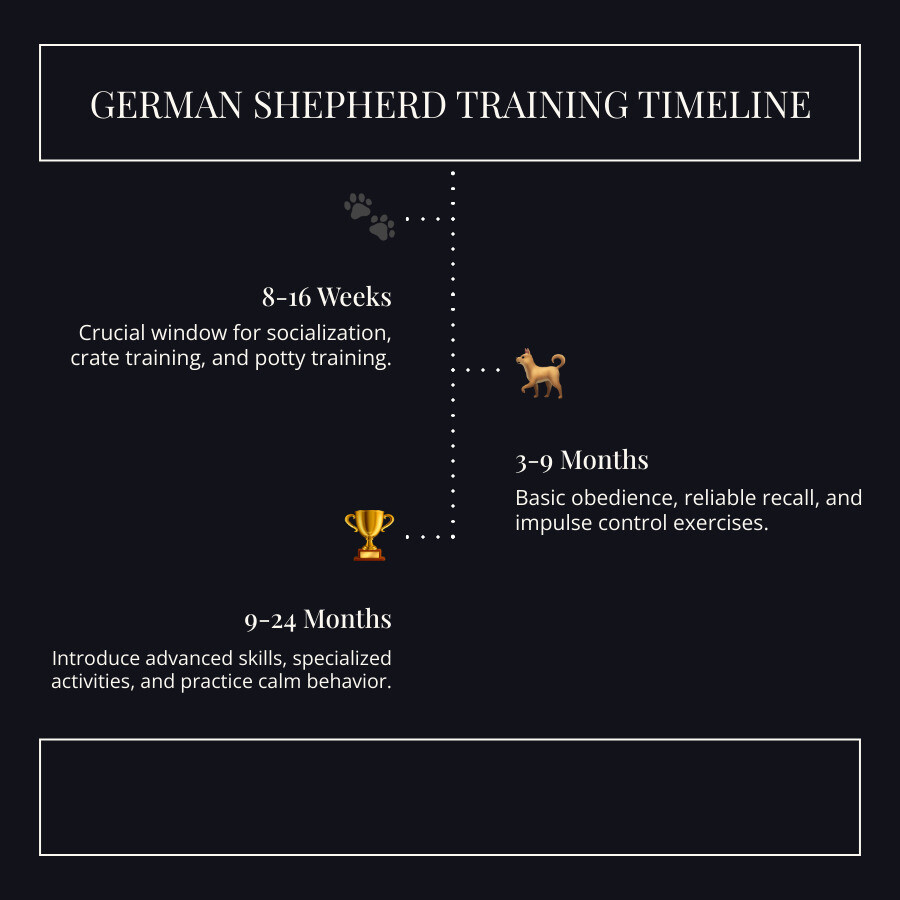
- Start training at 8 weeks old with crate training, potty training, and socialization
- Socialization window closes at 12-16 weeks – expose your pup to people, places, and positive experiences early
- Essential commands include sit, stay, come, down, leave it, and loose-leash walking
- Mental exercise matters more than physical – a bored GSD is a destructive GSD
- Consistency is everything – German Shepherds are smart enough to find loopholes if you’re not clear
- Maturity takes time – expect full adult behavior around 2-3 years, not months
German Shepherds rank as America’s second-most popular dog breed for good reason. They’re loyal, smart, and eager to work alongside you. But that intelligence comes with a catch: these dogs need direction, structure, and a job to do. Without it, you might find your couch cushions shredded or your flower bed rearranged.
Training a German Shepherd isn’t just about teaching commands. It’s about building a partnership with a dog that’s bred to think, problem-solve, and protect. They thrive on clear communication and consistent leadership – not the old-school “dominance” kind, but the calm, confident guidance that helps them understand what you want.
Whether you’re bringing home an 8-week-old puppy or working with an adolescent land shark (yes, that nipping phase is real), the right training approach makes all the difference. German Shepherds want to please you, but they also need to respect you. Get that balance right, and you’ll have a companion you can take anywhere with confidence.
For Austin-area owners, finding time for consistent training while juggling work and travel can be tough. That’s where board and train programs come in handy – giving your GSD a head start in a ranch-style environment with hands-on care and no kennel confinement all day.
Glossary for german shepherd dog training:
Understanding the German Shepherd Mindset for Training
When you welcome a German Shepherd into your life, you’re not just getting a dog; you’re gaining a highly intelligent, courageous, and loyal partner. These aren’t your average couch potatoes; they’re confident, smart, and have a deep desire to please their humans. This unique blend of traits profoundly influences how we approach german shepherd dog training.
Their intelligence means they learn quickly, both good habits and bad ones! A well-bred German Shepherd thrives on praise and aims to please, which can make training a joyous experience. However, this sharp mind can also be a double-edged sword. German Shepherds are clever enough to find loopholes in inconsistent training or to test boundaries if they sense a lack of clear leadership. This means we, as their trainers, must be even smarter, clearer, and more consistent than they are!
Working Line vs. Pet Line: Drive Differences
It’s helpful to understand that not all German Shepherds are created equal, especially when it comes to their lineage. We generally distinguish between working line and pet line (or show line) German Shepherds, and these differences directly impact their energy levels and training needs.
| Feature | Working Line German Shepherds German Pastor.
Understanding Your German Shepherd’s “Protective” Instinct
German Shepherds are renowned for their protective nature, a trait deeply ingrained in their history as herding and guarding dogs. However, what we perceive as protection can sometimes stem from other behaviors. For example, some ‘protective’ displays are actually possessiveness (viewing the owner as a resource to be guarded) or even insecurity (a nervous dog barking to make a perceived threat go away). A truly confident and well-trained German Shepherd understands the difference between a real threat and the friendly mail carrier.
This is why early and thorough socialization is so vital. It teaches them to discern friendly strangers from actual dangers, helping to manage their natural guardian instincts without creating an overly suspicious or aggressive dog.
Common Misconceptions
Let’s clear up a few myths we often hear about german shepherd dog training:
- “German Shepherds are inherently aggressive.” This is simply not true. While they can be, like any breed, depending on genetics, socialization, and training, a well-socialized and trained GSD can be a loving, stable, and friendly dog.
- “They are always super confident guard dogs.” While many are, some lines can be more anxious or flighty, requiring extra effort in building confidence.
- “They just need tons of physical exercise to be calm.” Physical exercise is important, but it’s not the ultimate solution for a calm GSD. We’ll dig into this more, but mental exercise, impulse control, and teaching an “off-switch” are often more effective at creating a well-behaved companion.
- “You need a trainer who specializes in military dogs.” While GSDs excel in working roles, a trainer’s expertise in general dog behavior and clear communication is far more valuable than a niche in military K9s. A truly skilled trainer understands how to communicate with any dog, regardless of breed or specific drive.
For more insights into the breed’s temperament, the AKC offers valuable information: More about breed temperament from the AKC.
Starting Off on the Right Paw: A GSD Puppy Training
Bringing home a German Shepherd puppy is an exciting adventure! And just like getting ready for a big Texas barbecue, preparation is key. The good news is, you can start german shepherd dog training almost immediately.
When to Start: 8 Weeks Old
The moment your adorable fluffball steps paw into your home, usually around 8 weeks old, the learning begins. Even though their attention spans are tiny (think 5-10 minutes!), these early weeks are incredibly formative. We start with the basics: crate training and potty training. For a comprehensive guide to getting started, check out our Puppy Training Guide.
Socialization: The Most Important Window (3-16 Weeks)
If there’s one thing we can’t stress enough, it’s the importance of early socialization for your German Shepherd puppy. This critical window, from about 3 to 16 weeks of age, is when your puppy’s brain is most open to new experiences. During this time, every positive exposure helps shape a confident, well-adjusted adult.
We want them to meet a wide variety of people – tall, short, wearing hats, with beards, in uniforms – and to experience different places, sounds, and surfaces. Think gentle car rides, walking on grass, concrete, and even a little gravel. The goal is to create positive associations with all these new things. Always ensure these experiences are positive and not overwhelming. A little treat and praise after each new encounter goes a long way! More on puppy socialization.
A bored GSD is a destructive GSD, and an under-socialized GSD can develop suspicion towards strangers, which isn’t ideal for their protective instincts.
Crate Training: Creating a Safe Den
Crate training is an invaluable tool for German Shepherds, acting as their personal, safe den. It’s not a punishment; it’s a cozy space where they can relax, feel secure, and take a break from the hustle and bustle.
We recommend choosing a durable crate that’s appropriately sized, with a divider you can adjust as they grow. Make it_inviting with soft bedding and some safe chew toys. Introduce it gradually, luring them inside with treats and praise, and slowly increasing the time they spend there. This process helps prevent destructive chewing around the house and is a fantastic aid for potty training.
Potty Training: Consistency is Key
Potty training a German Shepherd puppy relies heavily on consistency and routine. By 8 weeks of age, puppies have voluntary control of their bladder, meaning they’re ready to learn!
Here’s how we approach it:
- Frequent breaks: Take your puppy out often – after waking up, after meals, after play, and right before bed. Aim for at least every 2-3 hours during the day.
- Designated spot: Take them to the same spot each time. The scent cues will encourage them to go.
- Command cues: Use a consistent verbal cue like “go potty.”
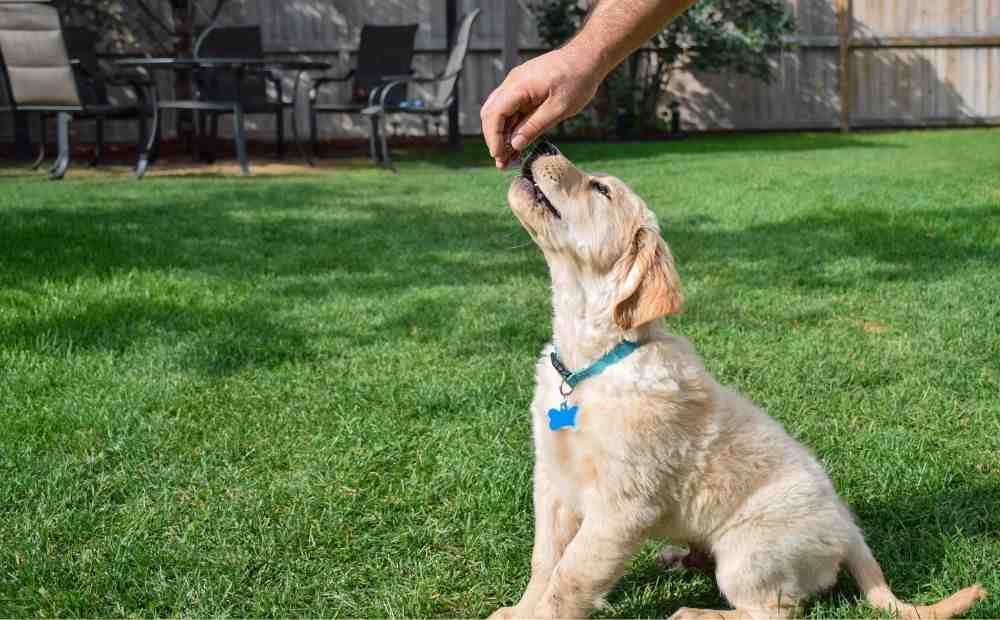
- Reward success: When they eliminate outside, immediately offer enthusiastic praise and a small, high-value treat.
- Clean accidents thoroughly: If accidents happen inside, clean them with an enzymatic cleaner to remove odors that might attract them back to the same spot. Never punish your puppy for accidents; this can create fear and anxiety.
For more helpful tips on getting your puppy started right, our Puppy Training 101 guide is a great resource.
The Owner’s Guide to German Shepherd Dog Training Techniques
As your German Shepherd puppy grows, our focus shifts to building a strong foundation of obedience and addressing common behavioral challenges. This stage of german shepherd dog training is where your role as a calm, confident leader truly shines.
The Leader’s Role: Calm Guidance
Effective leadership with a German Shepherd isn’t about dominance or being harsh; it’s about providing clear, consistent guidance. These intelligent dogs need structure and a job to do. When they don’t have it, they can become a ‘disaster,’ finding their own (often undesirable) tasks.
We teach that a good leader is fair, consistent, and provides clear communication. This means everyone in the household uses the same commands, follows the same rules, and rewards desired behaviors consistently. This clarity helps your German Shepherd understand their place in the family and builds trust, leading to a more reliable and responsive companion.
Essential Obedience in german shepherd dog training
Basic obedience commands are the building blocks for a well-behaved German Shepherd. They not only ensure safety but also provide mental stimulation and reinforce your bond.
- Sit: A fundamental command that teaches impulse control. We teach this by luring the dog into position with a treat and immediately rewarding them. Puppies as young as 5-8 weeks can learn this!
- Stay: Builds patience and self-control. Start with short durations and distances, gradually increasing them as your dog masters the command.
- Come (Recall): This is perhaps the most critical safety command. We make recall a fun game, always rewarding them enthusiastically when they return, even if it takes a moment. Never punish your dog for a slow recall, as this can make them hesitant to come to you in the future. Puppies can learn this as early as 5-6 weeks!
- Down: A calming command that helps settle your dog. Like ‘sit,’ it’s taught with luring and positive reinforcement.
- Leave It: Prevents your dog from picking up dangerous items or unwanted food. This teaches impulse control and respects boundaries.
- Loose-Leash Walking: German Shepherds have strong drives and can pull hard on the leash. We focus on teaching them to walk politely by your side, using positive reinforcement for a slack leash. This makes walks much more enjoyable for both of you!
For more in-depth guidance on these crucial commands, explore our Dog Obedience Training resources.
Addressing Common Problems in german shepherd dog training
Even with the best intentions, German Shepherds can develop common behavioral issues. The key is understanding the root cause and addressing it with consistent training.
- Managing Protective Instincts & Alert Barking: German Shepherds are natural guardians. While we don’t want to suppress their protective nature entirely, we do want to teach them appropriate responses. Socialization helps them distinguish friends from threats. For alert barking at visitors or noises, we teach them to acknowledge the stimulus with a single bark, then look to us for direction, and finally settle on command (e.g., “Quiet” or “Go to your bed”). Sending them to their bed and rewarding them for staying calm can work wonders.
- Jumping: An excited German Shepherd can easily knock someone over! We address jumping by teaching an incompatible behavior, like “sit” to greet, and consistently ignoring jumping behavior, only giving attention when all four paws are on the floor.
- Nipping/Play Biting: Often called “land sharks” as puppies, German Shepherds can nip during play. It’s vital not to let them “grow out of it.” We teach bite inhibition by yelping loudly when they nip too hard (mimicking a littermate) and immediately ending play. Redirecting them to appropriate chew toys is also key.
- Leash Pulling: As mentioned, this is common. Consistent loose-leash training, rewarding them for walking by your side, and changing direction when they pull, helps them learn that pulling doesn’t get them where they want to go.
- Destructive Chewing: Often a sign of boredom or anxiety. Ensure your GSD has plenty of appropriate chew toys and mental stimulation. Crate training is also a powerful tool to prevent destructive chewing when unsupervised.
Understanding these behaviors and how to address them is a big part of creating a harmonious home. For more detailed strategies, our guide on Behavior Training for Dogs: What It Is and How to Get Started is an excellent resource.
Beyond Sit and Stay: A Fulfilling Life for Your GSD
German Shepherds are working dogs at heart, and their happiness often hinges on having a purpose. Once they’ve mastered the basics, it’s time to explore ways to keep their intelligent minds and energetic bodies engaged.
Mental vs. Physical Exercise: A Bored GSD is a Destructive GSD
While physical exercise is important for any dog, for a German Shepherd, mental stimulation can be even more crucial. A GSD that’s only physically tired will quickly bounce back, often becoming fitter and needing more exercise, without ever learning an “off-switch.” This can lead to a cycle of constant demand.
Instead, we focus on a balance of both, with a strong emphasis on mental work. This helps them learn to be calm and settled.
- Puzzle Toys: These are fantastic for exercising your GSD’s brain, making them “work” for their food or treats.
- Scent Work/Nose Work: Tapping into their incredible sense of smell, scent games are incredibly mentally tiring and rewarding for GSDs.
- Obedience Games: Turning commands into fun challenges keeps them engaged and reinforces their training.
- Teaching an “Off-Switch”: This means training for stillness and calm behavior, even in the presence of distractions. It’s about teaching impulse control and waiting patiently. This mental effort is what truly helps them relax.
Motivation Methods: Beyond Treats
While treats are wonderful for initial training and positive reinforcement, some German Shepherds can be a bit fussy with food, making treat-based training less effective. Their intelligence also means they can sometimes work around the treats.
We find that GSDs are often highly play-motivated. Using a favorite toy or a game of fetch as a reward can be incredibly powerful. Praise and affection, combined with making training a fun and engaging activity, are also strong motivators. The best reward for a German Shepherd is often the opportunity to work alongside you and please you, building a strong, trusting bond.
Continued Training: Adolescence Challenges
Just like human teenagers, adolescent German Shepherds (roughly 9 months to 2 years) can present new challenges. They’re still maturing, and many GSDs don’t reach full adult maturity until they are two or even three years old (males often mature later than females). This period might bring selective hearing, testing boundaries, or increased alertness to outside noises.
Continued training is vital during this time.
- Advanced Obedience: Building on the basics, you can introduce more complex commands and sequences.
- Dog Sports: German Shepherds excel in activities like agility, tracking, protection work, and herding. These sports provide an excellent outlet for their drive and intelligence.
- Ongoing Socialization: Don’t let socialization lapse! Continue exposing them to new, positive experiences to maintain their confidence.
Preparing for Adult Life: Reinforcing Good Habits
The ultimate goal of all this training is to prepare your German Shepherd for a fulfilling adult life as a well-behaved, confident, and calm companion. This means:
- Reinforcing Good Habits: Consistently practice commands and desired behaviors.
- Ongoing Socialization: Keep up with positive introductions to new people, places, and other dogs.
- Maintaining Leadership: Continue to provide clear, calm, and consistent guidance.
By investing in their training and development, you’re ensuring your German Shepherd is not just a pet, but a well-adjusted, lifelong partner.
Frequently Asked Questions about Training German Shepherds
We often hear similar questions from loving German Shepherd owners in the Austin area. Let’s tackle a few of them:
Why is my smart German Shepherd so hard to train?
It’s a common conundrum! German Shepherds are incredibly intelligent, which means they learn quickly. But this intelligence can sometimes be perceived as stubbornness. They’re smart enough to find loopholes in inconsistent training or to decide if a command is worth their effort if the motivation isn’t right. If you’re struggling, it’s likely not that your GSD is “stubborn,” but that we need to be clearer, more consistent, and find the right motivator. For some, treats work wonders; for others, a favorite toy or a quick game of tug is the ultimate reward. The key is to be more mentally engaged than they are!
How do I stop my GSD puppy from nipping and biting?
Ah, the “land shark” phase! Nipping and play biting are completely normal puppy behaviors, but they definitely don’t feel normal when those sharp little teeth are involved. It’s important not to wait for them to “grow out of it,” as they likely won’t on their own.
We focus on two main strategies:
- Bite Inhibition: When your puppy nips too hard, let out a high-pitched yelp (like a puppy would) and immediately withdraw attention or end playtime. This teaches them that hard bites stop the fun.
- Redirection: Always have appropriate chew toys on hand. If your puppy starts to nip at you, redirect them to a toy. Praise them enthusiastically when they chew on the toy instead of your hand. Consistency from everyone in the family is crucial here!
Are German Shepherds good for first-time owners?
German Shepherds can be a bit initially challenging for many people due to their strong-willed nature and high energy. They are not a “set it and forget it” kind of dog. They require significant commitment to training, socialization, and consistent guidance. However, with the right support, resources, and a willingness to learn, a first-time owner can absolutely succeed with a German Shepherd. It’s all about understanding the breed’s needs and being dedicated to providing the structure and mental stimulation they thrive on. If you’re an active person who is ready to be a fair and solid leader, a German Shepherd can be an incredibly rewarding first dog.
The Ultimate Goal: A Happy Dog and a Happy Home
The journey of german shepherd dog training is a marathon, not a sprint, but the rewards are immeasurable. The ultimate goal isn’t just a dog that knows a few tricks; it’s a confident, calm, and well-behaved companion that enriches your life and brings joy to your home.
Signs of a Well-Trained GSD
A well-trained German Shepherd is a pleasure to live with and a true testament to your dedication. You’ll recognize them by these wonderful traits:
- Calm and Confident: They are comfortable in various environments, greeting new people and situations with appropriate curiosity rather than fear or aggression.
- Listens Reliably: They respond consistently to commands, even with distractions, showing respect and understanding.
- A Joy to Live With: They are relaxed at home, don’t engage in destructive behaviors, and are happy to settle when asked.
- A Companion You Can Take Anywhere: From a stroll through Zilker Park to a quiet coffee shop patio in Lakeway, you can trust your GSD to behave appropriately.
The true goal of german shepherd dog training is building a strong, lifelong partnership based on mutual trust and respect. It’s about having peace of mind, knowing your dog is safe, happy, and a beloved member of your family.
For owners in the Austin, Spicewood, Horseshoe Bay, Marble Falls, Steiner Ranch, and Bee Cave areas looking for a head start or a refresher, Pet Camp’s board and train programs offer a truly unique experience. We provide a ranch adventure for your dog on our spacious 20-acre property, a real “dude ranch for dogs.” Here, your German Shepherd receives hands-on care and foundational training in a home-like environment, with no kennel confinement all day. We believe in “Small Groups, Big Care,” ensuring every dog gets personalized attention, supervised play in our large, fenced-in yards, and custom activities. Our transparent pricing means no hidden fees, and services like one-on-one time and all-day play are always included at no extra cost, unlike many other dog boarding facilities.
Let us help you unlock your German Shepherd’s full potential. Schedule a free phone consultation to discuss your dog’s needs and how our board and train program can create the well-behaved companion you’ve always dreamed of.