How Expert Dog Training Improves Your Life Together
Expert dog training helps you build a deeper connection with your dog through positive, science-backed methods. Whether you’re working with a professional or learning to train at home, the right approach turns frustration into joy and confusion into clear communication.
Quick Guide to Expert Dog Training:
- Use Positive Reinforcement – Reward good behavior with treats, praise, or play
- Stay Consistent – Use the same cues and rules every time
- Start Early – Begin training puppies around 8 weeks, but any age can learn
- Choose Certified Trainers – Look for credentials like CPDT-KA, Karen Pryor Academy, or Fear Free
- Tailor Your Approach – Every dog learns differently based on breed, personality, and history
- Practice Patience – See training from your dog’s point of view
We’ve all been there. Your dog pulls on the leash during walks, barks at every passerby, or won’t come when called at the park. It’s not that your pup is being stubborn—they just haven’t learned what you’re asking for yet.
The good news? You can become your dog’s best teacher. Expert training isn’t about harsh corrections or dominance. It’s about understanding what motivates your dog, communicating clearly, and building trust through kindness. With over 15,000 dogs trained using positive methods over the past few decades, trainers have shown that reward-based approaches create lasting results.
At Pet Caddy’s ranch in the Austin area, we see how the right training helps anxious, reactive dogs become confident, well-mannered companions. Our hands-on human interaction and wide open spaces for play are always included at no extra cost, unlike many competitors who charge extra for basic attention.
The journey to a polite, happy dog starts with understanding the building blocks of expert training. Let’s break down what works.
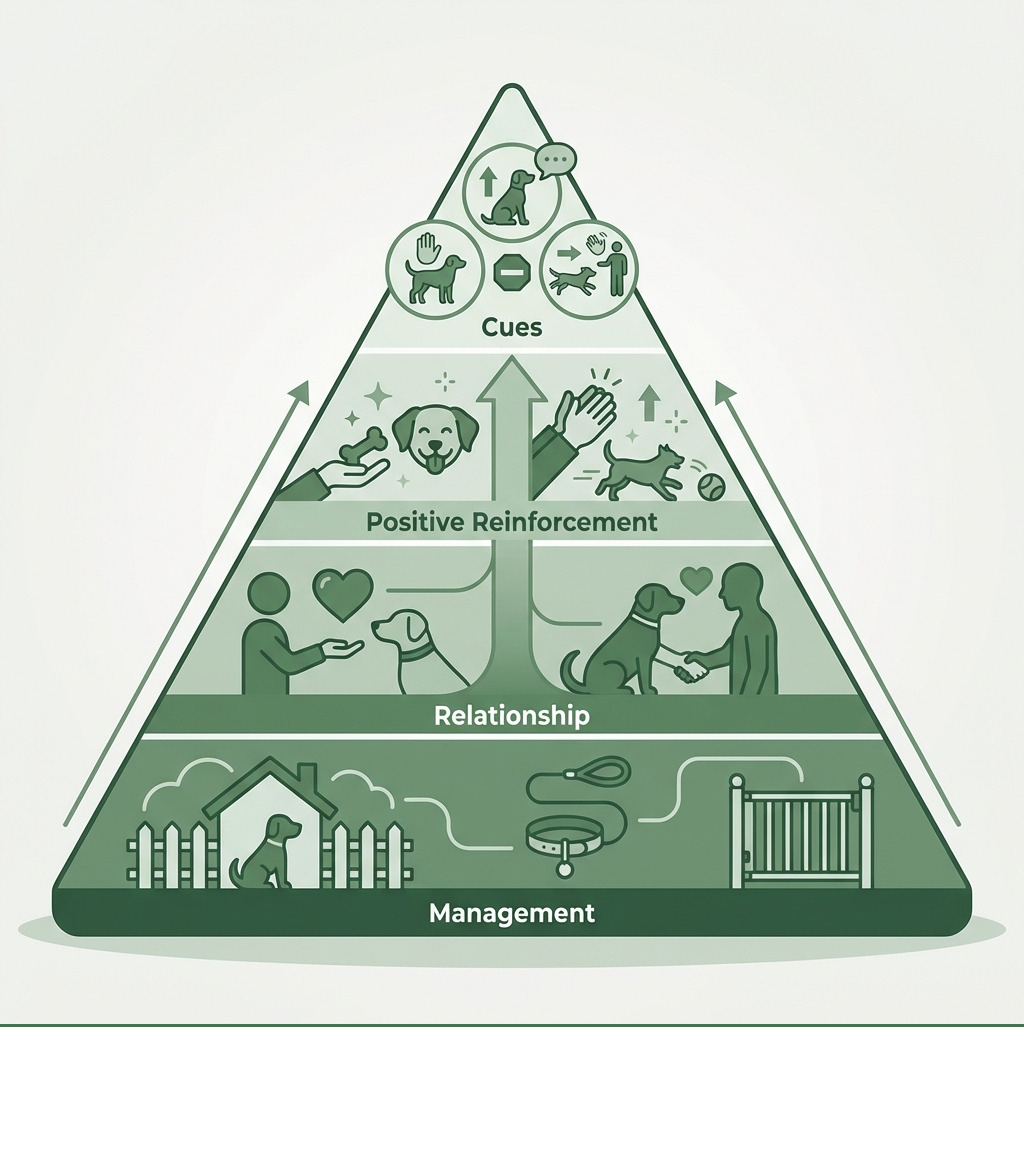
Expert dog training vocab explained:
The Heart of the Matter: Core Principles of Expert Training
At Pet Caddy, we believe the foundation of all successful expert dog training lies in a few key principles that foster a deep connection between you and your furry friend. These aren’t just techniques; they’re a way of life that strengthens the human-animal bond.
First and foremost, we believe in positive reinforcement. This means rewarding the behaviors we want to see more of, rather than punishing those we don’t. It’s about making good choices feel good for your dog! This science-backed method builds excitement for learning, creating a joyful experience for your pup.
Next, consistency is key. Imagine trying to learn a new language if the rules kept changing – it would be confusing, right? The same goes for our dogs. Clear communication, where everyone in the family uses the same cues and rules, helps your dog understand what’s expected. This consistency builds trust and helps your dog feel safe and secure in their environment, whether that’s your home in Lakeway or our ranch in Austin.
Patience is also a virtue in dog training. Sometimes, we need to take a step back and see things from our dog’s point of view. They’re learning a whole new language and a new way of navigating our human world. Understanding their motivations, fears, and joys allows us to tailor our approach and build a strong, lasting relationship. For more on how training can deepen your connection, check out our guide on building a bond through training.
Why We Love Positive Reinforcement in Expert Dog Training
What exactly is positive reinforcement? Simply put, it’s adding something your dog loves to encourage a behavior. When your dog sits on command and you immediately offer a tasty treat, a happy “Good dog!”, or a quick game of tug-of-war, you’re positively reinforcing that sit. You’re teaching them that doing what you ask brings wonderful things!
This method works wonders because dogs are always looking for their own rewards. If they aren’t “paid” for good behavior, they might find their own fun, which often involves things we’d rather they didn’t do, like digging in the garden or pulling on the leash. By making desired behaviors rewarding, we create a happy, eager learner. Reward-based methods are not just effective; they’re fun for both dogs and their humans. We believe our dogs deserve to be rewarded when they do well, rather than working to avoid negative outcomes.
Using tasty training treats, along with praise and play, creates a happy association with learning. It builds your dog’s confidence and keeps stress at bay, fostering a positive environment where they can be happy. This is why we stick to kind, ethical methods and avoid punishment-based approaches. Our methods align with organizations like the American Veterinary Medical Association (AVMA) and the American Society for Prevention of Cruelty to Animals (ASPCA®), ensuring humane and effective training.
Why Consistency is Your Secret Weapon
Imagine your pup hearing “sit” from you, “down” from your partner, and “booty on the ground” from the kids, all expecting the same action. Confusing, right? Consistency makes things crystal clear for your dog. It means using the same cues, hand signals, and rules every single time. If “sit” means a treat sometimes and nothing other times, your dog won’t know what to expect.
A team effort with your family keeps things simple and helps your dog learn faster. Everyone should be on the same page about house rules and commands. This applies whether you’re at home in Steiner Ranch or out exploring the trails in Bee Cave. When your reactions to your dog’s behavior are consistent, they quickly learn what gets them a reward and what doesn’t. Routine and structure also play a huge role; they help your dog feel safe, understand what’s expected of them, and ultimately, become a more confident and well-adjusted companion.
Finding Your Guide: How to Choose a Qualified Professional
The benefits of professional dog training extend far beyond just teaching commands. For both dogs and their owners, it’s about raising a well-mannered companion, keeping everyone safe in public, and building confidence. A well-trained dog is a joy to live with, capable of participating in almost everything you do, whether it’s a quiet evening at home or an adventure in the wide open spaces of our Austin ranch.
Professional training can help a dog struggling with reactivity become a confident community member. It helps forge a healthy bond between you and your pup, based on clear communication and mutual respect.
What are the signs of a well-trained dog?
- They exhibit good manners in public, calmly greeting strangers or ignoring distractions.
- They have a calm, happy attitude, comfortable in various situations.
- They respond eagerly and reliably to cues, even with distractions around.
- They maintain appropriate behavior even when not under direct command.
Ethical best practices are important in expert dog training. We advocate for humane methods, such as LIMA (Least Intrusive, Minimally Aversive) approaches, which prioritize your dog’s well-being and emotional state. A reputable trainer will always be open and honest about their methods and goals, focusing on building a positive relationship with your dog.
Identifying a Reputable Expert Dog Trainer
Choosing the right trainer is a bit like choosing a new family doctor – you want someone qualified, experienced, and trustworthy. Here are some questions to ask a potential trainer:
- What are your certifications and qualifications? Look for credentials like Certified Professional Dog Trainer – Knowledge Assessed (CPDT-KA), Karen Pryor Academy Training Foundations, or Fear Free Certified Trainer. These indicate a commitment to modern, science-based methods.
- What is your training philosophy? Ensure it aligns with positive reinforcement and humane practices.
- What experience do you have with my dog’s specific breed or behavior issues? Some trainers specialize in areas like aggression or anxiety.
- How do you continue your education and professional development? The best trainers engage in ongoing learning through seminars, workshops, and courses, like those from Michael Shikashio & Trish McMillian.
- Can you provide references or testimonials?
- What are your ethical guidelines, and do you follow LIMA principles?
It’s also important to consider that training methodologies should align with established animal welfare organizations like the American Veterinary Medical Association (AVMA), the American Society for Prevention of Cruelty to Animals (ASPCA®), the Certification Council for Professional Dog Trainers (CCPDT), and the International Association of Animal Behavior Consultants (IAABC).
Red flags to watch for include promises of guaranteed results (every dog is an individual!), reliance on harsh techniques, or a lack of transparency about their methods. A good trainer will focus on teaching you how to train your dog, giving you the skills to continue the journey. You can often find a certified trainer near you through professional organizations.
A Custom Approach: Understanding Different Expert Dog Training Programs
Just like every person learns differently, every dog is a unique individual with their own personality, history, and learning style. That’s why expert dog training isn’t a one-size-fits-all solution; it’s based on individualized plans. A professional trainer will begin by assessing your dog, your lifestyle, and your environment. This helps them tailor methods to your dog’s breed, personality, and past experiences. For instance, a high-energy working breed might need a different approach than a more reserved companion breed.
At Pet Caddy, our programs are individualized for you, your dog, and your goals. We understand that what works for a pup in Horseshoe Bay might be different from a dog in Lakeway. We offer a comprehensive overview of Dog Training Services designed to meet a wide range of needs.
Puppy Training: Starting Off on the Right Paw
The early weeks of a puppy’s life are a key window for social learning. Puppies can start learning simple things as soon as they come home, usually around 8 weeks old. This is when they soak up information about the world like little sponges! Our Puppy Training focuses on providing safe exposure to new sights, sounds, and experiences, helping to build a confident, well-adjusted dog rather than a fearful one.
Foundation skills are important at this stage:
- House training: Mastering the basics of where and when to go. Get started with our Puppy Potty Training guide.
- Basic cues: Learning “sit,” “stay,” and “come” lays the groundwork for future learning.
We also help you steer common puppy behaviors like nipping, chewing, and jumping, turning these challenges into opportunities for teaching appropriate manners. Early intervention through expert dog training sets your puppy up for a lifetime of success and happiness.
Obedience Training: Building a Reliable Companion
Once your pup has a good foundation, obedience training helps build a reliable companion. Here in the Austin area, you might choose between group classes or private lessons. Group classes can be wonderful for adding distractions and practicing real-world scenarios, while private lessons offer focused, one-on-one attention for specific challenges. The best choice often depends on your dog’s learning style and your family’s schedule.
Must-have skills include:
- Loose-leash walking: Enjoying strolls around Marble Falls without being pulled.
- Recall: Teaching your dog to come when called, a lifesaver for safety.
- Sit, Stay, Down: Foundational cues for good manners and control.
As your dog masters these, you can take skills further with advanced obedience, proofing behaviors in busy places like a lively Austin park or a busy trail in Bee Cave. Proofing means practicing commands in various environments and with increasing distractions, ensuring your dog responds reliably no matter what. For a deeper dive, explore our guide on Dog Obedience Training.
Behavior Modification: For More Complex Challenges
Sometimes, our beloved dogs face more complex challenges that go beyond basic obedience. This is where behavior modification comes in. It’s not just about stopping an unwanted behavior; it’s about changing a dog’s underlying emotional response. For example, a dog barking excessively at guests might not just need to learn “quiet”; they might need help managing their anxiety or excitement.
Common issues addressed by behavior modification include:
- Fear and anxiety: Thunderstorms, separation distress, or general nervousness.
- Reactivity: Lunging or barking at other dogs or people on walks.
- Resource guarding: Protecting food, toys, or even their human.
- Aggression: Towards people, animals, or other dogs.
The role of a behavior consultant in expert dog training is to create a comprehensive management plan that addresses the root cause of the issue. This might involve environmental changes, specific training exercises, and sometimes, even veterinary intervention. Getting started with Behavior Training for Dogs can feel overwhelming, but with expert guidance, you can help your dog lead a happier, calmer life.
From Reactive to Relaxed: How Experts Address Common Behavior Challenges
One of the most rewarding aspects of expert dog training is helping dogs overcome challenging behaviors, particularly reactivity. Reactivity, often mistaken for aggression, is typically a dog’s overreaction to a trigger – be it another dog, a person, or even a skateboard. Understanding the root cause is the first step: is it fear, frustration, excitement, or a combination? A dog that lunges and barks might actually be terrified and trying to make the scary thing go away.
Management techniques are the first step to keeping everyone safe. This might mean walking your dog at quieter times, using a different route, or creating more space between your dog and their triggers. Then, expert trainers use methods like counter-conditioning and desensitization. Counter-conditioning involves changing a dog’s emotional response from negative to positive by pairing the trigger (at a distance where the dog isn’t overreacting) with something wonderful, like high-value treats. Desensitization means gradually exposing the dog to the trigger, slowly decreasing the distance over time as they remain calm.
For dogs with specific needs or challenges, such as those who are deaf, blind, or have mobility issues, trainers adapt their methods. This could involve using hand signals for deaf dogs, scent work for blind dogs, or modifying exercises to accommodate physical limitations. The goal is always to build their confidence and give them the tools to navigate their world happily. For more in-depth support, our guidance on Behavior Modification for Aggressive Dogs offers strategies for even the most complex cases.
Keeping the Tail Wags Going: Reinforcing Training at Home
The beauty of expert dog training is that it’s not just for the classroom or the ranch; it’s something you can weave into your daily life. Making training a fun, ongoing part of your routine is the best way to reinforce learned behaviors and strengthen your bond.
- Use real-world rewards: Beyond treats, think about what your dog loves. Is it sniffing a bush, chasing a thrown toy, or getting a belly rub? Use these as rewards for good behavior. For example, ask for a “sit” before opening the door for a walk, or a “down” before they get their dinner bowl.
- Keep sessions short and sweet: A few minutes of focused training several times a day is far more effective than one long, tedious session. End on a positive note, always!
- Provide mental enrichment: Puzzle toys, sniffy walks, and scent games are wonderful ways to engage your dog’s mind, satisfying their natural instincts and reducing boredom. A mentally stimulated dog is often a calmer, happier dog.
- What to do when your dog isn’t listening: Instead of getting frustrated, take a step back. Is the environment too distracting? Are you asking for too much too soon? Revisit a simpler version of the command in a quieter space. Your dog isn’t being stubborn; they might just be confused or overwhelmed.
- Patience is key: Learning takes time. Celebrate the small victories and understand that setbacks are a normal part of the journey. Your calm, dependable demeanor will reassure your dog.
You need to be an “action movie” for your dog – engaging and clear – to hold their attention amidst distractions. Our Helpful Basic Training tips can provide more ideas for integrating training into your daily life.
Frequently Asked Questions about Expert Dog Training
At what age should I start training my dog?
Puppies can start learning simple things as soon as they come home, usually around 8 weeks old. Basic house manners, leash introduction, and gentle socialization are great to begin right away. But here’s the good news: it’s never too late to start! Positive training works for dogs of all ages, from the youngest pups in Austin to seasoned seniors in Spicewood. Every dog, regardless of age or behavior level, can benefit from learning new skills and strengthening their bond with you.
How long does it take to see results from dog training?
Every dog learns at their own pace, much like people do. Simple obedience commands like “sit” or “stay” might show noticeable progress in just a few weeks with steady, consistent practice. However, addressing deeper behavioral issues like fear, anxiety, or reactivity can take more time, patience, and dedicated effort, often spanning several months. The key is consistency and celebrating small victories along the way, rather than focusing solely on speed. The journey itself is a huge part of the reward!
Can all behavior problems be “fixed”?
The goal of expert dog training is often management and significant improvement, rather than a magical “fix” that makes a behavior disappear entirely. For instance, a dog with severe separation anxiety might learn coping mechanisms and feel much calmer when left alone, but the underlying sensitivity might always require thoughtful management. Expert training focuses on giving your dog better coping skills, building their confidence, and providing you with the tools to understand and guide them. This approach can make a world of difference for your dog’s well-being and your life together, even if a behavior isn’t “fixed” in the absolute sense.
Conclusion: Your Journey to a Deeper Bond
As we’ve explored, expert dog training is a rewarding journey that builds a stronger, happier relationship between you and your dog. The big ideas are clear: positive reinforcement, unwavering consistency, and seeking professional guidance when needed are your best tools. You can be your dog’s greatest teacher and advocate, guiding them to become a confident, well-mannered companion who is happy by your side.
The reward for all your effort is a joyful, trusting relationship that lasts a lifetime – a bond built on understanding, respect, and shared adventures.
At Pet Caddy, we’re passionate about nurturing that bond. Our board & train programs in the Austin area, including our spacious ranch serving locations like Lakeway, Barton Creek, and Bee Cave, offer a ‘Like Home’ experience for your pup. We provide personalized attention, daily updates, and plenty of wide open spaces for your dog to play, learn, and grow. Our hands-on care and all-day play are always included at no extra cost, ensuring your pet enjoys a stress-free environment that feels just like a ranch adventure.
Ready to start on this incredible journey with your furry family member? Start your puppy’s training journey with us or explore our other expert training programs today. We’re here to help you and your dog flourish, creating countless tail wags and cherished memories together.