When Your House-Trained Dog Starts Having Accidents
Walking into your living room to find a puddle on the rug—again—is frustrating, especially when your dog pees in house after months of being perfectly potty trained. You’re not alone, and you’re not imagining things. This is one of the most common issues dog owners face, and it’s not about your pup holding a grudge or getting back at you for leaving them home alone.
Quick Answer: Why Dogs Pee Indoors
If your previously house-trained dog is suddenly having accidents, the cause typically falls into one of these categories:
- Medical issues – UTIs, kidney disease, diabetes, bladder stones, or age-related incontinence
- Incomplete house training – Your dog may not have fully learned the rules yet
- Territorial marking – Small amounts on vertical surfaces, often triggered by changes at home
- Anxiety or stress – Separation anxiety, routine changes, or fear responses
- Submissive or excitement urination – Involuntary response during greetings or when nervous
First step: Rule out medical causes by visiting your vet, especially if you notice straining, blood in urine, increased thirst, or lethargy.
Dogs don’t have accidents out of spite. They’re trying to tell you something—whether it’s “I’m scared,” “I don’t feel well,” or “I’m confused about the rules.” Your job is to become a detective and figure out what your dog is trying to communicate.
Here in the Austin area, we know how stressful it can be when your pup starts having accidents. The good news? With patience, understanding, and the right approach, you can get back to a dry floor and a happy dog. Whether it’s a medical issue that needs your vet’s attention, a behavioral challenge that needs some retraining, or just a temporary setback from a routine change, there’s a path forward.
Dog pees in house terms made easy:
First Things First: Is It Medical or Behavioral?
When your beloved canine companion starts having indoor accidents, it’s natural to feel a mix of frustration and concern. The very first step on our detective journey is to distinguish between a medical issue and a behavioral one. This distinction is absolutely vital, as the approach to resolving the problem will be completely different.
How can we tell the difference? We start by observing our furry friends closely. If your dog is otherwise acting normal, eating well, playing happily, and their urine looks and smells typical, the issue might lean towards behavior. However, if you notice any other changes, it’s time to put on our medical hats.
When to call your local vet: Any sudden change in your dog’s elimination habits, especially if they were previously housetrained, warrants a trip to your trusted veterinarian here in Austin, Lakeway, or Bee Cave. A vet visit is crucial for ruling out underlying health problems before we dive into behavioral solutions. It’s always better to be safe than sorry, and our vets are experts at pinpointing potential health concerns.
Signs of medical issues: Pay close attention to these red flags:
- Straining or difficulty urinating: Your dog might squat repeatedly, seem uncomfortable, or produce only small amounts of urine.
- Blood in urine: This is a clear indicator that something is amiss in the urinary tract.
- Increased thirst or frequency of urination: If your dog is suddenly drinking much more water or needing to go out more often, it could signal a problem.
- Lethargy or changes in appetite: A general downturn in energy or a refusal to eat can accompany many illnesses.
- Urine with an unusual color or strong odor: Any deviation from the norm could indicate an infection.
- Frequent licking of the genital area: This can be a sign of irritation or discomfort.
Common medical causes: There’s a whole host of medical conditions that can cause a dog pees in house scenario. Some of the most common culprits include:
- Urinary Tract Infections (UTIs): These are a very common cause of inappropriate urination in dogs, often leading to increased frequency, straining, and sometimes blood in the urine.
- Bladder Stones or Crystals: These can irritate the bladder lining, causing discomfort and frequent urges to urinate.
- Kidney Disease: Impaired kidney function can lead to increased thirst and urination.
- Diabetes: Dogs with diabetes often drink excessive amounts of water and, consequently, urinate more frequently.
- Cushing’s Disease: This hormonal disorder can also lead to increased thirst and urination.
- Urinary Incontinence: Often associated with senior dogs, where they leak urine involuntarily, especially when resting or sleeping. Some dogs, particularly spayed females, can develop incontinence as young adults.
- Arthritis or other mobility issues: Older dogs, or those with joint pain, might find it difficult or painful to get up and go outside in time, leading to accidents.
Your vet might perform tests like a urinalysis, urine culture, blood work, or even X-rays or ultrasounds to get to the bottom of things. For more in-depth information on detecting these issues, you can refer to Detecting Disorders of the Kidneys and Urinary Tract in Dogs.
Decoding the Puddle: Common Behavioral Reasons Your Dog Pees in the House
Once we’ve given our furry friend a clean bill of health from the vet, it’s time to consider the behavioral side of things. If your dog pees in house and there’s no medical explanation, they’re likely trying to communicate something through their actions. Think of it as behavioral detective work—understanding your dog’s way of talking to you. It’s not about them being “bad” or trying to upset you; it’s a response to their environment, their emotions, or a lack of clear understanding about where to do their business. Let’s explore some of the most common behavioral reasons.
What causes territorial marking and how to stop it
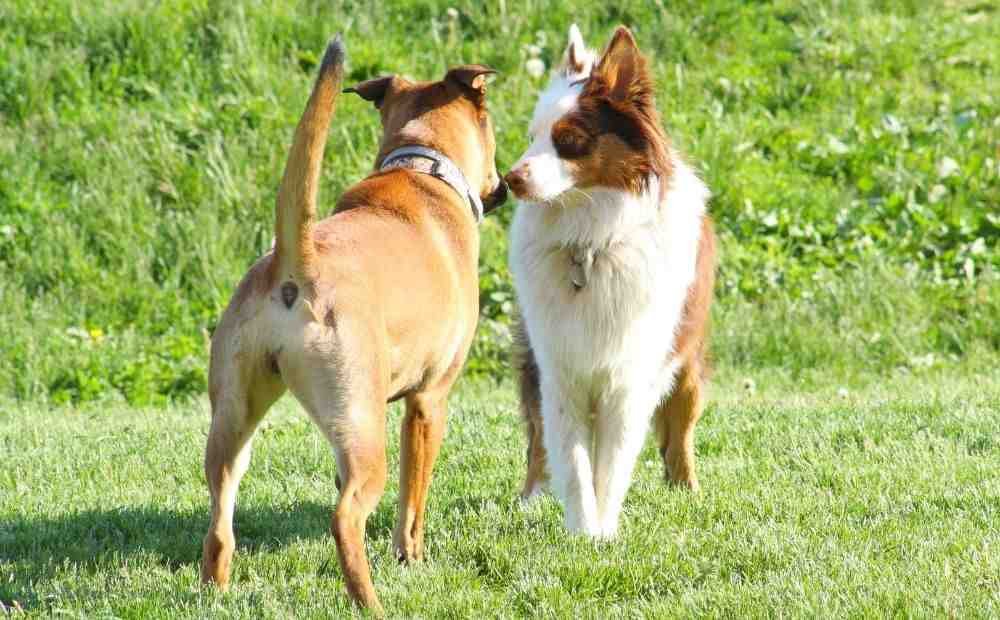
Ah, territorial marking! This is a classic reason why a dog pees in house. It’s a bit different from a full-blown puddle. Marking usually involves small amounts of urine, often sprayed on vertical surfaces like furniture legs, walls, or even new items brought into the home. It’s a dog’s way of leaving a “calling card,” communicating their presence and claiming their space.
Triggers for marking:
- New pets: The introduction of another dog, cat, or even a smaller pet can make your dog feel the need to re-establish their territory.
- New people: A new housemate, a baby, or even frequent visitors can trigger marking as your dog adjusts to changes in their social structure.
- Changes at home: Moving to a new house (like one of our lovely homes in Spicewood or Lakeway!), new furniture, or even changes in your schedule can make a dog feel insecure and prompt marking.
- Outside influences: Smelling other dogs outside your windows or doors can sometimes trigger marking inside, especially if your dog feels their territory is being challenged.
Solutions for marking:
- Spay or neuter: This is often the most effective solution, particularly for unneutered male dogs, where marking behavior is most common. The longer a sexually mature dog goes before spaying or neutering, the more difficult it will be to train them not to mark in the house. Spaying or neutering your dog should greatly reduce or even stop urine-marking. You can learn more about this at Spay or neuter.
- Thorough cleaning with enzymatic cleaners: Simply cleaning up the urine isn’t enough. Dogs are attracted to the residual scent, even if we can’t smell it. Enzymatic cleaners break down the uric acid crystals in urine, completely neutralizing the odor and preventing your dog from being drawn back to the same spot.
- Managing the environment: Make previously marked spots inaccessible, or change their significance. Try feeding your dog, giving treats, or playing with them in areas where they used to mark. You can also temporarily use belly bands for male dogs or doggie diapers for females to protect your home while working on the behavior. Restricting access to windows or doors where outside animals might be seen can also help reduce the triggers.
Understanding submissive or excitement urination
This type of indoor urination is often misunderstood, but it’s purely an involuntary emotional response. It’s not about defiance; it’s about a dog’s emotions overflowing!
Signs of submissive urination: This usually happens when a dog feels intimidated, overwhelmed, or very insecure. You might see:
- Crouching low to the ground.
- Rolling over, exposing their belly.
- Tucking their tail between their legs.
- Avoiding eye contact.
- Urinating during greetings (especially with strangers or dominant individuals).
- Peeing when scolded or approached in a threatening manner.
- Sometimes, it can be triggered by loud noises or sudden movements.
Signs of excitement urination: This is similar but usually happens when a dog is simply overjoyed, often during greetings or intense play. It’s particularly common in puppies and young dogs who haven’t fully developed bladder control when highly stimulated.
Building confidence with positive reinforcement: The key to addressing both submissive and excitement urination is building your dog’s confidence and reducing their anxiety or over-arousal. Positive reinforcement is your best friend here! Reward calm behavior, confident postures, and appropriate elimination outside. Never punish your dog for submissive or excitement urination, as this will only increase their fear and make the problem worse.
Managing greetings: This is where we can make a big difference.
- Low-key arrivals: When you (or guests) arrive, keep greetings calm and quiet. Avoid overly enthusiastic welcomes that can overstimulate your dog.
- Avoiding direct eye contact: Direct eye contact can be perceived as a challenge by an anxious dog. Ask visitors to avoid staring directly at your dog.
- Approaching from the side: Encourage people to approach your dog from the side, rather than head-on, and to get down to their level. A gentle scratch under the chin is often more comforting than a pat on the head.
- Gradual introductions: For highly anxious dogs, introduce new people and situations slowly, ensuring each experience is positive and calm.
How anxiety and routine changes affect why your dog pees in house
Dogs are creatures of habit, and changes to their routine or environment can be incredibly unsettling, often leading to a dog pees in house situation. Anxiety, stress, and even excitement can manifest as indoor accidents.
Separation anxiety: This is a common and distressing form of anxiety where dogs become highly distressed when left alone. It can manifest as excessive barking, destructive chewing, and inappropriate urination or defecation. The accidents typically occur only when the dog is left alone and are not done out of spite. It’s a panic response. Treatment options often involve behavior modification, counter-conditioning, and sometimes medication in severe cases. You can find more information about understanding and addressing this at Separation Anxiety.
Stress from moving or new schedules: Moving to a new home in Lakeway or Spicewood, a new baby, a new pet, or even just a change in your work schedule can throw a dog off balance. They might feel insecure, confused, or anxious, leading them to relieve themselves indoors. Similarly, a lack of access to outdoor potty breaks due to a changed schedule can result in accidents.
Fear of loud noises: Thunderstorms, fireworks, or even loud construction noise can be terrifying for some dogs. A fear response can cause them to lose bladder control, leading to an accident indoors.
Providing a calm environment: To help your dog cope with anxiety and changes, focus on creating a sense of predictability and security.
- Consistent routine: Try to maintain a regular schedule for feeding, walks, and potty breaks. This predictability can be very reassuring. If your schedule has changed drastically, establish a new consistent routine and stick to it.
- Using a crate as a safe space: A crate, when introduced properly and used as a den, can be a secure retreat for your dog. It’s a place where they feel safe and where they’re less likely to soil, as dogs naturally avoid soiling their sleeping area. Just ensure the crate is appropriately sized – large enough for them to stand and turn around comfortably, but not so large that they can designate a “bathroom” corner. For longer periods, consider a dog walker or a trusted friend to give them a mid-day potty break.
- Minimizing stressors: Identify what stresses your dog and try to minimize their exposure. For noise phobias, create a quiet “safe room” and use calming music or white noise.
Your Action Plan: Re-Training and Management for a Dry Home
Alright, detective! We’ve explored the potential medical and behavioral reasons why your dog pees in house. Now, it’s time to roll up our sleeves and put an action plan into place. A positive, patient approach is always our best tool. Getting back on track together means understanding, consistency, and a whole lot of love.
Going back to housetraining basics to stop your dog peeing in the house
Whether you have a new puppy or an adult dog who’s suddenly forgotten their manners, sometimes the best strategy is to go back to square one with housetraining. It’s like hitting the reset button, reinforcing those good habits.
- Establish a routine: Dogs thrive on predictability. Set a consistent schedule for feeding, watering, and potty breaks. For puppies, this means taking them out every one to two hours. For adult dogs, aim for every 3-4 hours, especially after waking up, eating, drinking, and playing. Stick to this schedule like glue!
- Frequent potty breaks: We can’t emphasize this enough. Puppies, especially, have tiny bladders. A good rule of thumb for puppies up to about 16 weeks old is that they can typically only hold their bladder for the number of hours equal to their age in months plus one. So, a 3-month-old puppy can hold it for about 4 hours. Even adult dogs need regular opportunities. If you’re going to be away for more than a few hours, consider hiring a dog walker or having a friend let your pup out.
- Supervision is key: When your dog is inside and not in their crate, they should be under your watchful eye. This isn’t about being a helicopter parent; it’s about preventing accidents. If you see them start to sniff around intently, circle, or head towards the door, it’s a sign! Calmly and quickly usher them outside to their designated potty spot. If you can’t actively supervise, it’s time for safe confinement.
- Using a crate as a management tool: A crate isn’t a punishment; it’s a helpful tool for housetraining when used correctly. It taps into a dog’s natural instinct to not soil their den. Ensure the crate is the right size – big enough for them to stand, turn around, and lie down comfortably, but not so big they can use one end as a bathroom. Never use the crate for excessively long periods. For more insights on mastering the basics of housetraining, check out Mastering the Basics: Essential Tips for Potty Training Any Dog.
The power of positive reinforcement and proper cleaning
These two elements are the dynamic duo of solving indoor urination issues.
- Rewarding success: When your dog eliminates outside, it’s time for a party! Offer enthusiastic praise, a happy voice, and a high-value treat immediately after they finish their business. This teaches them that going potty outside earns them wonderful things. This positive association is incredibly powerful and far more effective than punishment.
- Never punish accidents: This is a golden rule. If you catch your dog in the act indoors, a quick, sharp noise (like a clap) to interrupt them, followed by immediately taking them outside, can be effective. But if you find an accident after the fact, punishing your dog is completely counterproductive. Dogs don’t connect past actions with present punishment. Yelling, scolding, or sticking their nose in the mess will only create fear, confusion, and anxiety. They might learn to hide their accidents or become fearful of urinating in front of you, making housetraining even harder. We accept positive reinforcement in all our training programs, knowing it builds trust and confidence. You can dig deeper into this gentle approach with Gentle Giants: Understanding Positive Reinforcement in Dog Training.
- Cleaning with enzymatic cleaners: This step is non-negotiable. Dogs are drawn to the scent of previous accidents. While our human noses might not detect it, a dog’s keen sense of smell will. Standard household cleaners won’t eliminate the odor completely. Enzymatic cleaners contain special enzymes that break down the uric acid crystals in urine, truly neutralizing the smell. Without this step, you’re fighting an uphill battle against re-marking. Blot up as much urine as possible first, then liberally apply the enzymatic cleaner and follow the product’s instructions.
Frequently Asked Questions About Indoor Accidents
We understand that dealing with a dog pees in house situation can bring up a lot of questions. Let’s tackle some of the most common ones we hear from our Austin-area pet parents.
How does aging affect a dog’s bladder control?
As our beloved canine companions age, their bodies, just like ours, undergo changes. This can absolutely affect bladder control.
- Senior dog challenges: Older dogs may experience a decline in muscle tone, including the muscles that control the bladder sphincter. This can lead to urinary incontinence, where they leak urine involuntarily. This might manifest as puddles forming while they’re sleeping or resting, as they simply don’t have conscious control over it.
- Cognitive changes (doggy dementia): Canine Cognitive Dysfunction (CCD), often referred to as “doggy dementia,” affects a significant portion of older dogs. In fact, studies suggest that 60% of dogs 11 or older may be affected. Dogs with CCD might forget their housetraining, become disoriented, or even forget to signal that they need to go outside. They might go outside, forget to eliminate, and then have an accident indoors shortly after.
- Forgetting training: Sometimes, it’s not just incontinence but a general decline in learned behaviors due to cognitive changes. They might simply forget the rules they once knew so well.
- Physical limitations like arthritis: Arthritis and other joint pains can make it difficult and painful for senior dogs to move quickly. Getting up from a comfortable spot and making it outside in time can become a real challenge, leading to accidents closer to their resting areas. For more details on urinary incontinence in dogs, you can visit Urinary Incontinence.
Management: For senior dogs, patience and understanding are paramount. Consider using doggie diapers or belly bands, and place absorbent pads in their favorite resting areas. Frequent, short potty breaks are also essential.
Will spaying or neutering my dog stop them from peeing inside?
This is a great question, especially concerning territorial marking.
- Impact on marking behavior: Yes, spaying or neutering can significantly reduce or even eliminate urine-marking behavior, particularly in intact male dogs. This is because marking is often driven by hormones related to sexual maturity. The sooner the procedure is done, the more effective it tends to be, as marking can become a learned habit over time, even after the hormonal drive is removed.
- Most effective in unneutered males: Marking is most common in unneutered male dogs, making neutering a highly recommended solution for this specific issue.
- Less effective if the behavior is already a habit: If a dog has been marking for a long time, the behavior might have become deeply ingrained. While spaying or neutering can still help, additional behavior modification and environmental management will likely be needed.
- Other health and behavioral benefits: Beyond marking, spaying or neutering offers numerous health benefits (like preventing certain cancers) and can reduce other unwanted behaviors such as roaming and aggression.
When should I call a professional trainer or behaviorist?
You’ve done your homework, tried all the tips, and ruled out medical issues. But your dog pees in house problems persist. This is precisely when it’s time to bring in the big guns – a professional dog trainer or a certified veterinary behaviorist.
- After ruling out medical issues: This is always the first and most crucial step. A professional can only truly help with behavioral issues once health problems are off the table.
- When you’re feeling stuck: If you’re feeling overwhelmed, frustrated, or like you’ve tried everything with no success, don’t hesitate to reach out. There’s no shame in asking for help!
- For persistent behavioral problems or severe anxiety: If the house soiling is linked to severe separation anxiety, aggression, or other complex behavioral issues, a behaviorist can provide a custom plan. They have specialized knowledge and tools to address these deeper problems.
Here at Pet Caddy, our local trainers are passionate about helping our Austin-area community, including Lakeway, Bee Cave, Spicewood, and beyond. We can provide guidance and support for a wide range of training and behavioral challenges, ensuring your pup becomes a well-mannered member of the family. If you’re struggling, we’re here to offer expert advice and hands-on care.
A Dry Floor and a Happy Dog Are Possible
We know that dealing with a dog pees in house problem can be a real headache, turning your cozy home into a puzzle of puddles. But take heart! With the right approach, a dry floor and a happy, confident dog are absolutely within reach.
Let’s recap our key steps:
- Vet First: Always, always rule out medical causes with your veterinarian. This is the foundation of any successful solution.
- Be a Detective: Once medical issues are clear, observe your dog to understand why they’re having accidents. Is it marking, submissive peeing, anxiety, or a simple housetraining lapse?
- Back to Basics: Re-establish a consistent routine for potty breaks, feeding, and supervision. Use a crate as a positive management tool if needed.
- Positive Reinforcement is Power: Reward good behavior generously when your dog eliminates outside. Never punish accidents, as this only creates fear and confusion.
- Clean Smart: Use enzymatic cleaners to completely neutralize urine odors, preventing your dog from being drawn back to previously soiled spots.
- Manage Environment & Emotions: Address triggers for marking, manage greetings for submissive/excitement urination, and provide a calm, predictable environment for anxious pups.
- Patience & Persistence: Behavior change takes time and consistency. Celebrate small victories and stay patient with your furry friend.
Patience and understanding are your best tools. Your dog isn’t doing this to spite you; they’re communicating a need. By listening and responding with kindness and clear guidance, you’ll strengthen your bond and get back to enjoying a clean home.
When you need a helping hand, Pet Caddy is here for you. We offer comprehensive Dog Training Services designed to build confidence and good habits, all delivered with the hands-on care and personalized attention that makes us a true “home away from home” for your pup. Our spacious 5-acre ranch in the Austin area (serving Lakeway, Spicewood, Bee Cave, and surrounding communities) provides wide open spaces for custom play and supervised fun, ensuring your dog gets the exercise and mental stimulation they need in a stress-free environment. We believe every dog deserves a ranch adventure, and we’re committed to helping your dog thrive, both indoors and out!