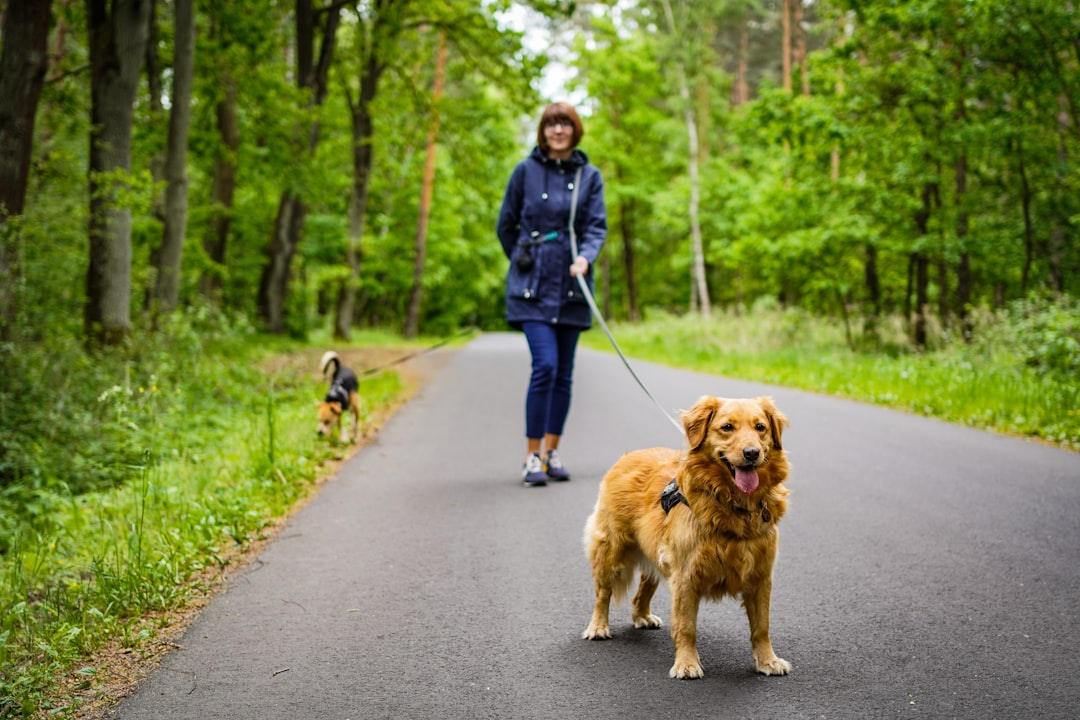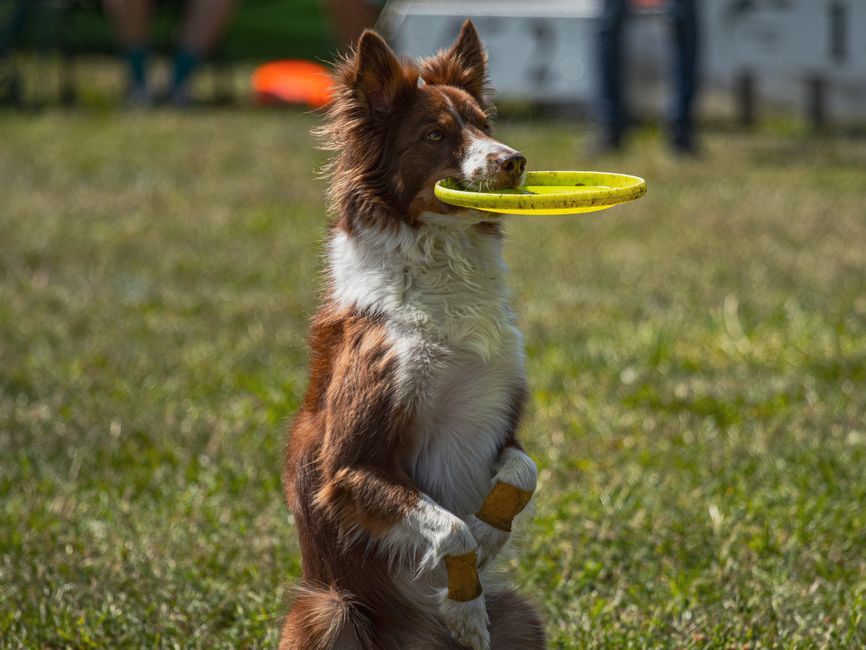
What Exactly Is a Dog Board and Train Program and How Does It Work?
Think of a board and train program as a peaceful, structured sleepaway school for your four-legged family member. Instead of you trying to figure out the right timing for rewards after a long day at work, your dog stays with a professional trainer. During this stay, which usually lasts anywhere from one to four weeks, your dog receives daily, structured guidance in a calm, focused environment.
When dogs first arrive at our five-acre ranch, we do not jump straight into training commands. Just like humans, dogs need a little time to adjust to a new place. We always build in a few days of decompression time. This quiet period helps your dog settle in, get used to the sights and sounds of the ranch, and build a bond of trust with our trainers.
Once your dog feels relaxed and safe, the structured learning begins. The daily routine is a balanced mix of focused training, physical exercise, and structured rest. Because dogs have short attention spans, we keep training sessions short and positive, spreading them throughout the day.
If you are wondering whether your dog is ready for this kind of program, you can read more in our guide on Boarding and Training: Is Your Dog Ready for Sleepaway School?. Every dog is different, which is why we believe in Your Dog’s Way: Exploring Personalized Training Options to match your dog’s personality.
What Does a Typical Day Look Like for a Boarded Dog?
A structured day is the secret to a happy, well-behaved dog. Here is how we structure the day on our ranch:
- Morning Potty and Breakfast: The day starts early with a breath of fresh Texas air and a morning stretch on our wide-open grassy fields. After a potty break, dogs enjoy breakfast in their comfortable, private spaces.
- Morning Training Bursts: Once breakfast is digested, we head out for the first training sessions of the day. These are short, focused, and filled with positive rewards to keep learning fun.
- Supervised Play: Energy management is key. We group dogs by size and temperament for Supervised play in Small Groups, Big Care. This keeps play safe, polite, and balanced.
- Midday Rest: Training is hard work for a dog’s brain. A quiet nap in a climate-controlled room helps them process what they learned.
- Afternoon Practice and Outings: We practice commands in different spots around the ranch, gradually adding mild distractions like a rustling leaf or another dog walking nearby.
- Evening Wind-Down and Dinner: After a final evening potty break and dinner, dogs settle in for a cozy, peaceful night of rest.
How Are Training Tools Introduced Safely?
We believe in clear, gentle communication. When we use training tools, whether it is a simple slip lead, a martingale collar, or a low-level remote e-collar, we introduce them with patience and care.
We never use tools to scare or punish a dog. Instead, we use them like a gentle tap on the shoulder to get their attention. Before a tool is ever used to guide a behavior, we spend days teaching the dog what the tool means using plenty of treats, praise, and happy Tail Wags. The goal is for your dog to associate these tools with fun, focus, and rewards.
For pet parents who like to read up on training standards, the American Veterinary Society of Animal Behavior shares helpful position statements on humane, reward-based training and behavior care.
Why an Immersive Board and Train Program Works So Well
The biggest challenge pet parents face with training is consistency. Between work, family, and daily chores, finding time to practice commands dozens of times a day is incredibly tough.
In a standard weekly class, your dog might get ten minutes of actual practice a week. In a two-week board and train stay, your dog receives 200 to 400 supervised repetitions of each command. Because our trainers catch every single decision your dog makes in real-time, your dog learns exactly what is expected of them without any confusing mixed signals.
This immersive environment speeds up the learning process. Pups often reach behavior goals in a fortnight that would normally take a year or more of sporadic weekend practice. It is a focused investment that sets up a lifetime of polite manners.
To help you picture this journey, here is a simple breakdown of what a typical two-week stay looks like:
| Training Phase | Focus Areas | What Your Dog Learns |
|---|---|---|
| Days 1–3 | Decompression & Trust | Settling into the ranch, building a bond with the trainer, and learning basic focus games. |
| Days 4–7 | Foundational Commands | Learning the core vocabulary: sit, down, place, and the beginning of a reliable recall. |
| Days 8–11 | Distraction Practice | Taking commands outdoors and practicing around other dogs, sounds, and movement. |
| Days 12–14 | Real-World Reliability | Polishing leash manners, practicing polite greetings, and preparing for the owner transfer session. |
If you want to read more about how these programs compare to other styles of training, take a look at Drop and Give Me Twenty Wags: The Truth About Obedience Boot Camp or check out our guide on From Puppy to Pro: Unpacking Dog Training Programs and Their Benefits.
What Should You Expect Your Dog to Learn During Their Stay?
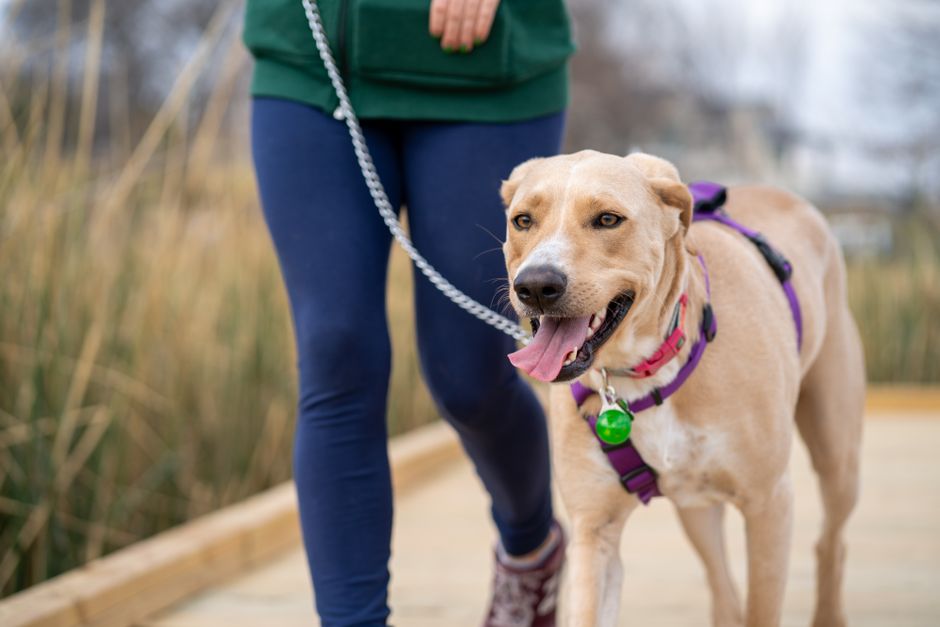
When your dog comes home from a professional program, you should expect a dog that is a joy to live with. We focus on real-world manners that make your daily life easier and more peaceful.
While some specialty facilities might train dogs for complex tasks, our focus is on creating polite, relaxed family companions. We believe in choosing a program that aligns perfectly with your specific home goals.
To see what is possible close to home, you can read about Board and Train Austin programs and explore how to take your pup From Ruff to Refined: Discover Austin’s Premier Dog Boot Camps.
Foundational Manners and Obedience
During their stay, dogs learn a core set of behaviors designed to keep them safe and manageable:
- Loose Leash Walking: No more pulling your arm out of its socket. Your dog learns to walk politely by your side on a relaxed leash.
- The “Place” Command: Teaching your dog to go to a designated bed or mat and stay there calmly until released. This is wonderful when guests arrive or when you are cooking dinner.
- Reliable Recall: Teaching your dog to happily run back to you when called, even if there is a squirrel nearby.
- Polite Greetings: Teaching your dog to keep all four paws on the floor instead of jumping up to greet people.
Real-World Distraction Training
A command is only useful if your dog listens when there is something exciting happening. Once your dog understands the basics in a quiet setting, we gently raise the difficulty.
We practice in different areas of our five-acre ranch, around other dogs playing safely in the distance, and during supervised outdoor adventures. This teaches your dog to remain neutral and calm, choosing to focus on you even when the world is busy around them.
How Much Do Board and Train Programs Cost on Average?
When researching dog board and train programs near me, pricing is often one of the first questions pet parents have. On average, a quality board and train program can range from $1,000 for a basic one-week foundation stay to $4,000 or more for an intensive multi-week program.
The price typically depends on a few straightforward factors:
- Length of Stay: A longer stay means more days of individual care, boarding, and training.
- The Facility Environment: Facilities with Wide Open Spaces, secure play yards, climate-controlled rooms, and backup power systems require more resources to run safely.
- Trainer Experience: Highly experienced trainers who understand canine behavior can work through complex issues safely and effectively.
At Pet Caddy, we believe pet parents deserve absolute peace of mind. Our pricing is completely transparent with no hidden fees. We do not believe in charging extra for the things that keep your dog happy and healthy. Services like hands-on human interaction, daily updates, and all-day play in our secure yards are always included at no extra cost.
If you are exploring options in the western suburbs, you can read about Professional Board and Train Obedience Programs in Lakeway TX. For younger pups, you might also look into Austin’s Intensive Puppy Training: Is Boot Camp Right for Your Dog?.
How Do You Choose a Reputable Board and Train Facility Near You?
Choosing where your dog will live and learn is a big decision. You want to make sure they are safe, comfortable, and treated like family.
We serve several wonderful communities across the Austin area, including Spicewood, Horseshoe Bay, Marble Falls, Steiner Ranch, Hudson Ranch, Lakeway, Barton Creek, Barton Creek Lakeside, and Bee Cave. When evaluating any local facility, keep these key safety and quality details in mind:
- Spacious, Home-Like Environment: Dogs can get stressed in loud, cramped commercial spaces. Look for a facility with Wide Open Spaces where dogs have room to run, play, and stretch their legs.
- Safety and Comfort: Ensure the facility has secure fencing, climate-controlled indoor areas to beat the Texas summer heat, and backup power generators in case of local outages.
- Hands-On Care: Ask if the staff spends physical, quality time with the dogs. Your pup should receive plenty of human affection, not just time spent sitting alone in a run.
- Daily Updates: A reputable facility will gladly send you regular photos and updates so you can see your dog’s progress and enjoy those happy Tail Wags from afar.
Questions to Ask Potential Trainers
Before you sign up, we highly recommend asking these simple questions:
- “Where exactly will my dog sleep, eat, and play?” (A great facility will be proud to show you their clean, safe, and comfortable boarding areas.)
- “What training methods do you use, and how do you handle a dog that is confused or scared?” (Look for trainers who focus on building confidence and clear communication.)
- “How do you keep my dog safe during play?” (They should explain how they use Small Groups, Big Care and constant supervision.)
- “What is your plan for teaching me how to maintain the training at home?” (The best training in the world won’t stick if the trainer doesn’t teach you how to keep it going.)
What Are the Most Common Questions Owners Ask About Board and Train?
Will my dog forget me or feel abandoned during their stay?
This is the most common worry for pet parents, and it is completely natural to feel a little nervous about being apart. But we have great news: dogs are wonderfully resilient and live fully in the moment.
Once they arrive and get through their short decompression period, they quickly adapt to the fun, active routine of the ranch. They stay busy learning, playing, and receiving plenty of love. And when you finally reunite at the end of their stay? Their memory of you is clear as day, and the reunion is always filled with joyful wiggles and happy Tail Wags.
How do I maintain the training once my dog comes home?
The secret to long-term success is the owner transfer session. When you pick up your dog, our trainers will spend a few hours showing you exactly what your dog learned, how to use the commands, and how to guide them through distractions.
Think of it like this: your dog has learned the rules of the classroom, and now we need to show you how to apply those same rules to daily life. By keeping up with a few minutes of daily practice and maintaining consistent boundaries at home, those polite manners will quickly become permanent habits.
Is my dog a good candidate for a board and train program?
Most dogs are wonderful candidates for a board and train stay. It is particularly helpful for:
- Busy families who want a polite dog but lack the hours to train from scratch.
- High-energy dogs that need structured physical and mental exercise.
- Dogs that pull on leash, jump on guests, or have a hard time focusing around distractions.
Refusing to compromise on safety, if your dog experiences severe separation anxiety or intense fear-based behaviors, a traditional boarding environment might feel overwhelming at first. In those cases, we always suggest starting with a personalized consultation so we can design a plan that keeps your dog feeling safe and comfortable. You can read more about our Personalized dog training options to see how we tailor our approach to every pup.
Is Your Dog Ready to Start Their Board and Train Adventure?
If you are tired of the daily leash-pulling matches and want a calmer, more peaceful life with your dog, an immersive board and train stay is a wonderful path forward. It takes the heavy lifting off your shoulders and gives your dog a clear, positive foundation for a lifetime of good behavior.
At Pet Caddy, we treat your dog like a member of our own family. Our beautiful five-acre ranch offers a true Ranch Adventure with Wide Open Spaces to run, play, and learn. With our focus on Small Groups, Big Care, climate-controlled comfort, and dedicated Hands-On Care, your pup will enjoy a stress-free stay that feels just Like Home.
We are proud to serve families throughout Austin, Spicewood, Horseshoe Bay, Marble Falls, Steiner Ranch, Hudson Ranch, Lakeway, Barton Creek, Barton Creek Lakeside, and Bee Cave. Best of all, our pricing is completely transparent with no hidden fees, and daily play and human interaction are always included at no extra cost.
Are you ready to enjoy peaceful walks and polite greetings? We would love to welcome your pup to the ranch.
Schedule your pup’s stay with our team today, and let’s start this exciting adventure together.