
Blog
Tips from the Pet Caddy – Making life with pets easier
Welcome to the Pet Caddy blog! We’re here to share expert advice, fun tips, and helpful resources for pet owners in Austin, TX. Whether it’s keeping your yard pet-friendly, improving your cat’s litter box habits, or ensuring your dog gets enough exercise, we’ve got you covered.
We update our blog regularly, so check back often for more insights and tips from your trusted Pet Caddy team.

Boarding and Training: Is Your Dog Ready for Sleepaway School?
Discover dog training boarding at our Austin ranch. Transform your pup with immersive programs, expert care, and proven results!
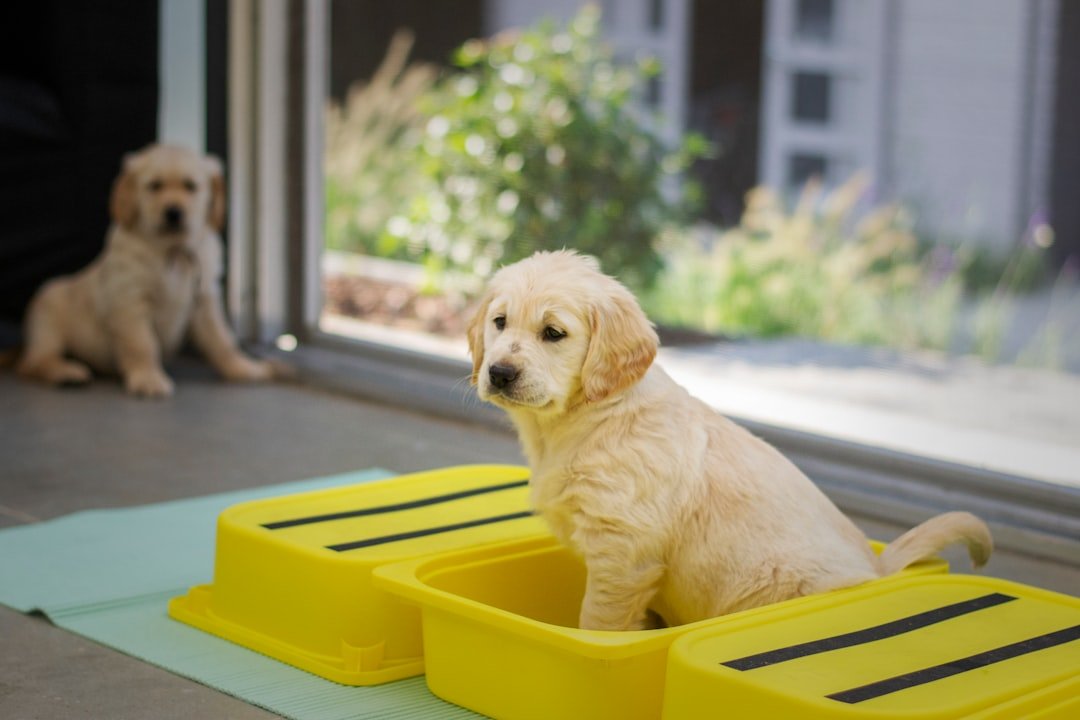
Adult Dog Potty Training: A Comprehensive Guide
`json
{
“title”: “Adult Dog Potty Training: A Comprehensive Guide”,
“sections”: [
{
“type”: “introduction”,
“heading”: “Introduction”,
“content”: “Bringing an adult dog into your home is a joyous occasion, filled with the promise of companionship and new adventures. Whether your new family member is a seasoned ranch dog or a recent shelter rescue, patience and understanding are key during their adjustment period. This comprehensive guide will walk you through how to house train an adult dog, focusing on establishing a ranch-style routine, effective verbal cues, and managing common challenges. Get ready to embark on a rewarding journey with your grown-up canine companion!”,
“images”: [
{
“src”: “happy-adult-dog-running-field.jpg”,
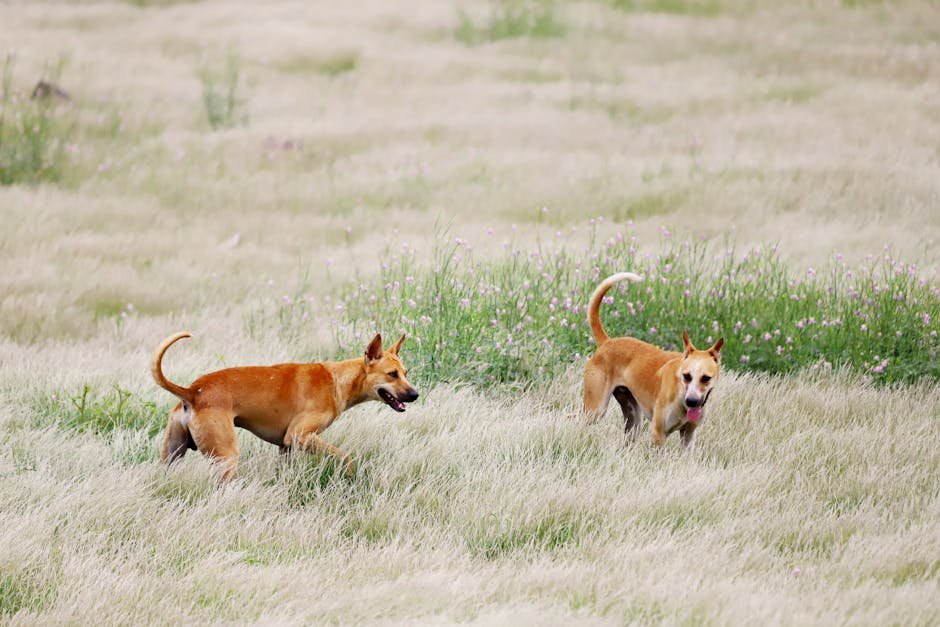
“alt”: “Happy adult dog running in a wide-open field, symbolizing freedom and joy in a new home.”
}
],
“infographics”: [
{
“title”: “The 3-3-3 Rule for Adopted Dogs”,
“description”: “Understanding an adopted dog’s adjustment period.”,
“points”: [
“3 Days: Overwhelmed, possibly shy, nervous, or shutting down. May not eat or drink much, and might not show their true personality.”,
“3 Weeks: Starting to settle in, showing more of their personality. Getting comfortable with routines and understanding expectations.”,
“3 Months: Fully integrated into the home. Trusts you, understands the routine, and feels safe and secure.”
]
}
]
},
{
“type”: “section”,
“heading”: “Why Your Grown-Up Dog Needs a Refresher Course”,
“content”: “Even a previously house-trained adult dog might experience a period of ‘shelter regression’ or develop new habits upon entering a new home. This isn’t a sign of defiance, but often a reaction to stress, unfamiliar surroundings, or underlying issues. Understanding these potential causes is the first step to successful potty training.”,
“sub_sections”: [
{
“title”: “Common Challenges”,
“points”: [
“Shelter Regression: The stress of a shelter environment can cause dogs to forget or suppress previous training. They might have been kept in kennels where they had no choice but to relieve themselves indoors.”,
“Kennel Habits: Long-term kennel living can lead to dogs developing a habit of eliminating in their living space, as they may not have had consistent access to appropriate outdoor potty areas.”,
“New Home Scents: A new environment comes with new smells, sounds, and sights. Your dog might feel anxious or confused, impacting their ability to remember or learn potty rules.”,
“Territorial Marking: Some dogs, particularly intact males, may mark new territory indoors due to insecurity or a desire to establish their presence. This is different from accidents due to a lack of training.”,
“Medical Issues: Adult dogs, especially seniors, can develop health problems that affect bladder control. This includes conditions like urinary tract infections (UTIs) or senior incontinence. A vet check-up is crucial to rule out any medical causes.”
],
“links”: [
{
“text”: “Scientific research on \”guilty looks\””,
“url”: “http://blogs.scientificamerican.com/thoughtful-animal/2012/05/31/do-dogs-feel-guilty/”
}
]
},
{
“title”: “Mastering the Basics”,
“points”: [
“Regardless of their past, every dog benefits from a clear, consistent approach to house training. It reinforces good habits and builds confidence in their new environment.”
],
“links”: [
{
“text”: “Mastering the basics for any dog”,
“url”: “https://petcaddy.co/blog/mastering-the-basics-essential-tips-for-potty-training-any-dog/”
}
]
}
]
},
{
“type”: “section”,
“heading”: “How to House Train an Adult Dog: Establishing a Ranch-Style Routine”,
“content”: “A consistent, predictable schedule is the cornerstone of successful house training. Think of it like a well-run ranch, where every animal knows its place and routine. This structure helps your dog understand when and where they are expected to relieve themselves, building good habits and preventing accidents.”,
“sub_sections”: [
{
“title”: “Key Routine Elements”,
“points”: [
“Consistent Schedule: Take your dog out at the same times every day. This creates predictability and allows their body to adjust.”,
“Frequent Outings: Initially, take your dog out every 2-3 hours, especially during waking hours.”,
“Critical Times: Always take your dog out:”,
” – First thing in the morning”,
” – After meals (digestion stimulates elimination)”,
” – After waking from naps”,
” – Before bedtime”,
“Designated Bathroom Spot: Choose a specific area in your yard or on your walks as the ‘potty spot.’ Consistency helps your dog associate this location with relieving themselves.”,
“Leash Walks: Even in a fenced yard, take your dog out on a leash initially. This keeps them focused on the task and allows you to reward them immediately. It also helps them understand that outings are specifically for potty breaks, not just playtime.”
],
“links”: [
{
“text”: “The long game of housebreaking”,
“url”: “https://petcaddy.co/blog/the-long-game-essential-techniques-for-housebreaking-and-beyond/”
}
]
},
{
“title”: “Bladder Control and Limits”,
“points”: [
“Most adult dogs can hold their bladder for 8-10 hours, but this varies by age, health, and individual dog. Avoid pushing them to their limit, especially during training. Longer periods without a break can lead to discomfort and accidents, hindering progress.”
]
}
]
},
{
“type”: “subsection”,
“heading”: “How to House Train an Adult Dog with Verbal Cues”,
“content”: “Pairing a verbal cue with the act of elimination helps your dog understand what you want them to do. This can be incredibly useful for future potty breaks, especially when time is limited.”,
“points”: [
“Choose a Simple Phrase: Use a consistent phrase like \”Go potty,\” \”Do your business,\” or \”Hurry up.\””,
“Deliver the Cue: As your dog begins to relieve themselves, gently repeat the verbal cue.”,
“Immediate Rewards: The moment your dog finishes, offer enthusiastic verbal praise and a high-value treat. This positive association is crucial.”,
“Consistency is Key: Everyone in the household should use the same cue and reward system to avoid confusion.”,
“Association: Over time, your dog will associate the verbal cue with the act of eliminating and the reward, making it easier to prompt them to go on command.”
],
“links”: [
{
“text”: “Potty training your new puppy”,
“url”: “https://petcaddy.co/blog/potty-training-puppy/”
}
]
},
{
“type”: “subsection”,
“heading”: “How to House Train an Adult Dog from a Shelter”,
“content”: “Shelter dogs often face unique challenges due to their past experiences. Extra patience and understanding are paramount when house training a rescue dog.”,
“points”: [
“Patience, Patience, Patience: Remember the 3-3-3 rule. Your dog needs time to decompress and learn to trust their new environment.”,
“Scent Markers: If possible, bring a small amount of soiled bedding or a toy from the shelter to your designated outdoor potty spot. The familiar scent can encourage them to go there.”,
“Outdoor Access: Ensure frequent and easy access to the outdoor potty area. For some shelter dogs, the concept of going outside for potty is entirely new.”,
“Hands-On Care: Many shelter dogs have not experienced consistent human interaction. Gentle handling, positive reinforcement, and a calm demeanor will help them feel secure.”,
“Address Past Trauma: Dogs from puppy mills or neglectful situations may have specific fears or habits related to elimination. Consult with a professional trainer or your vet if you suspect past trauma is impacting their progress.”
],
“links”: [
{
“text”: “Puppy mill potty training problems”,
“url”: “http://www.aspca.org/fight-cruelty/puppy-mills”
}
]
},
{
“type”: “section”,
“heading”: “Supervision and Confinement: Keeping the Indoors Clean”,
“content”: “When you’re actively house training, constant supervision is essential to prevent accidents and establish good habits. Confinement methods provide a safe, clean space for your dog when you can’t actively watch them.”,
“sub_sections”: [
{
“title”: “Supervision Techniques”,
“points”: [
“Constant Monitoring: Keep your dog with you at all times when they are loose in the house. Use a leash to tether them to you or keep them in the same room.”,
“Baby Gates: Use baby gates to restrict access to certain areas of the house, keeping your dog in a manageable space.”,
“Recognizing Signals: Learn your dog’s pre-potty signals, which can include sniffing around, circling, pacing, or heading towards an exit. The moment you see these, immediately take them outside.”
]
},
{
“title”: “Crate Training”,
“points”: [
“Safe Space: A crate can be an invaluable tool for house training. Dogs naturally do not want to soil their den. When properly introduced, a crate becomes a safe, comfortable space, not a punishment.”,
“Appropriate Size: The crate should be just large enough for your dog to stand up, turn around, and lie down comfortably. If it’s too big, they might use one end as a bathroom.”,
“Gradual Introduction: Introduce the crate positively with treats and toys. Never force your dog into the crate.”,
“Time Limits: Limit crate time according to your dog’s age and bladder capacity. Always take them out immediately after they exit the crate.”
],
“links”: [
{
“text”: “Puppy potty training tips”,
“url”: “https://petcaddy.co/blog/puppy-potty-training/”
}
],
“images”: [
{
“src”: “dog-resting-comfortable-crate.jpg”,
“alt”: “A happy dog resting comfortably inside a clean, appropriately-sized crate with a soft bed.”
}
]
}
]
},
{
“type”: “section”,
“heading”: “Handling Accidents Without the Guilt Trip”,
“content”: “Accidents will happen, especially during the initial training phase. How you react to them is crucial for your dog’s progress and your bond. Scolding or punishing your dog after an accident will only teach them to fear you or to hide their elimination, making training harder.”,
“sub_sections”: [
{
“title”: “Effective Accident Management”,
“points”: [
“Interrupt, Don’t Punish: If you catch your dog in the act, make
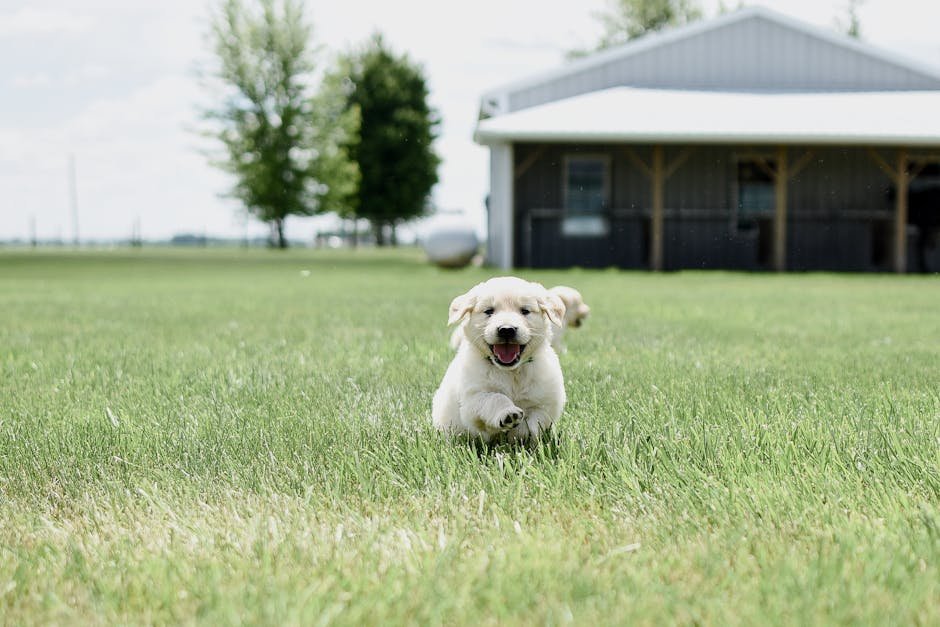
The Best Dog Boarding Services: A Comparison for Pet Parents
Discover top Dog Boarding Services: Compare kennels, cage-free options, costs, prep tips & safety for your pup’s best stay!
Your Dog, Your Way: Exploring Personalized Training Options
Discover personalized dog training in Austin: Tailored plans, ranch board & train, and proven results for your pup’s unique needs.

How to Train a Bird Dog to Retrieve: A Step-by-Step Guide
Master training a bird dog to retrieve: Step-by-step guide from puppy instincts to advanced field drills for perfect retrieves.
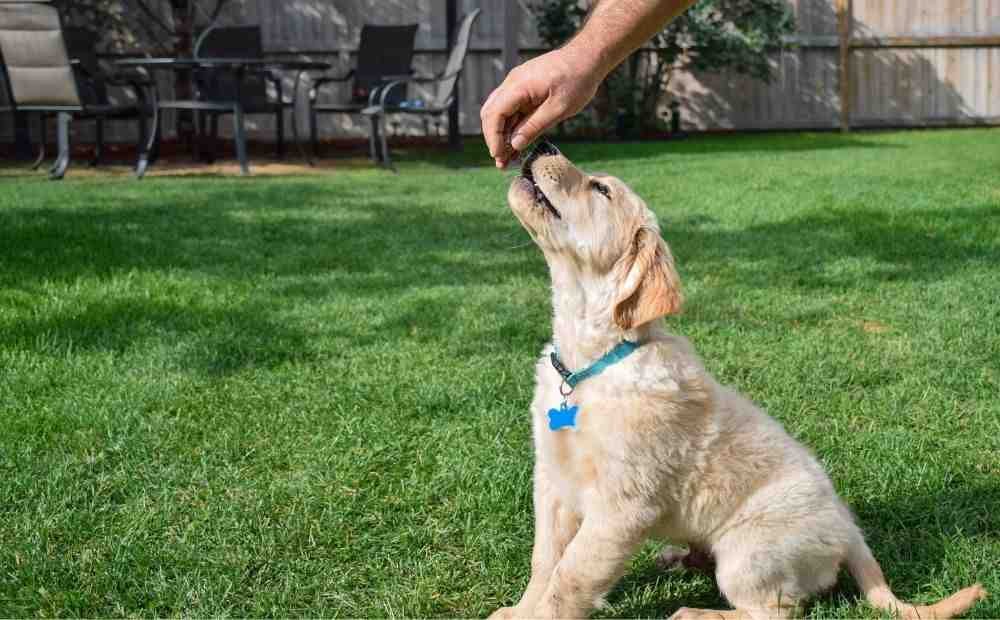
From Puppy to Potty Pro: Everything You Need to Know About House Training
Master house training a dog with proven tips on schedules, crates, rewards, and accident fixes for potty success.
Everything You Need to Know About Dog Boarding Services
Discover what is dog boarding services: overnight care, ranch adventures, and tips for stress-free stays at top facilities.

Train with Love: Finding Positive Dog Training in Austin
Find the best positive dog training Austin! Build trust, boost confidence, and enjoy a happier pup with our gentle methods.