Why Your Good Dog is Acting Out
Behavior modification for aggressive dogs is about understanding the emotions behind behaviors like growling or snapping. It uses science-based techniques to help your dog feel safer and react more calmly.
Quick Overview: What Behavior Modification Involves
- Safety First: Using management tools like leashes and gates to prevent incidents during training.
- Changing Emotions: Using counter-conditioning and desensitization to build positive feelings about triggers.
- Teaching New Skills: Building impulse control and calm behaviors like settling on a mat.
- Professional Support: Partnering with vets and certified trainers to address all aspects of the behavior.
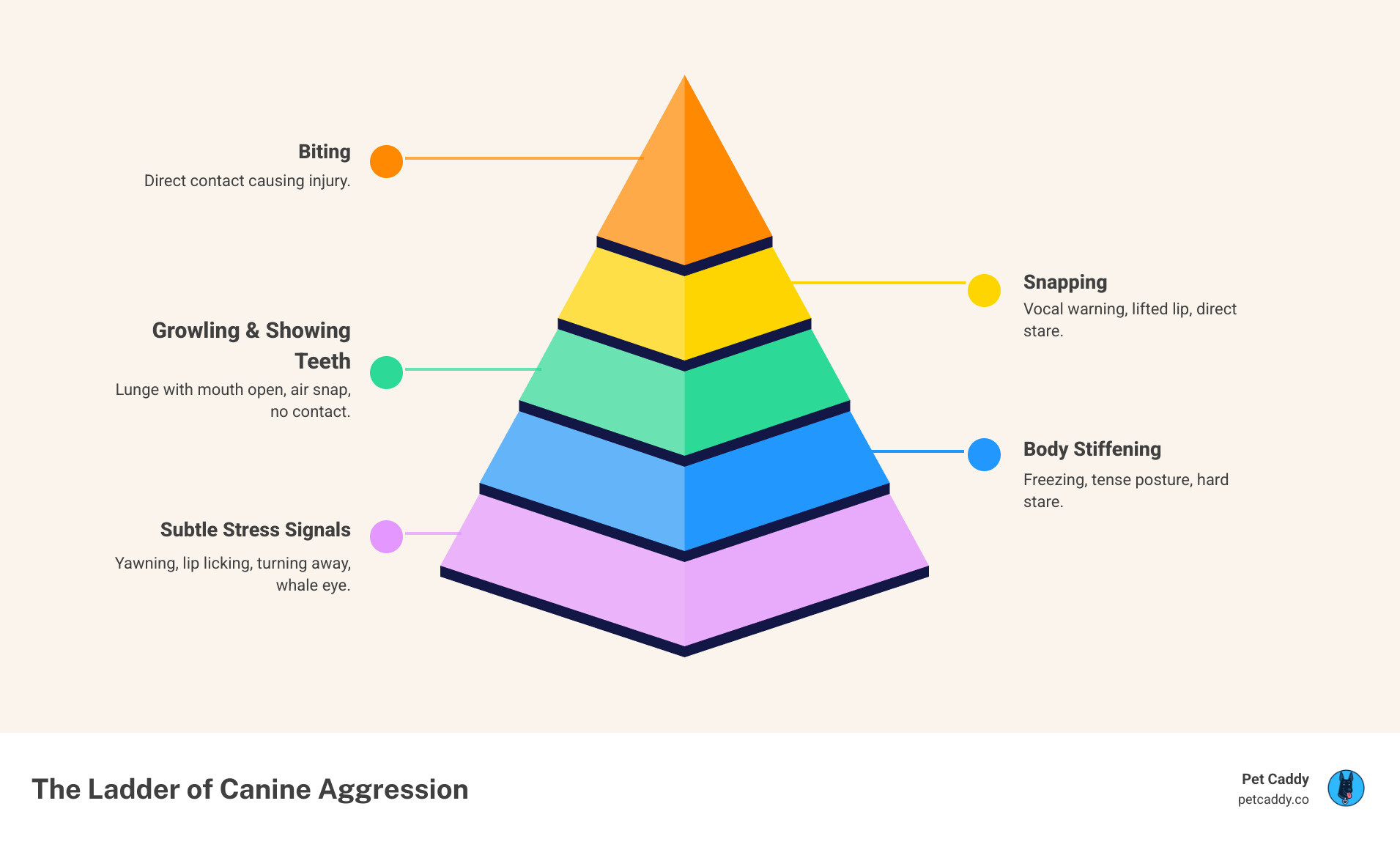
If your dog growls at strangers or lunges at other dogs, you’re not alone. This behavior isn’t a sign of a “bad” dog; it’s usually a way of saying, “I’m scared” or “I’m uncomfortable.” The good news is that aggression is a behavior, not a permanent personality trait. With patience and the right approach, many dogs can learn to feel more secure.
This journey takes time, but it’s possible to see real change. In this guide, we’ll cover the practical methods that help dogs with aggressive behaviors. We’ll discuss safety, positive training techniques, and when to call in professional help. Your dog is communicating the only way they know how. Let’s learn their language and help them find a new way to talk.
Your Roadmap: A Guide to Behavior Modification for Aggressive Dogs
This section is the heart of our guide, walking you through the practical steps to help your dog. We’ll cover how to keep everyone safe, the most effective training methods, and how to build new, happier habits together.
First, Safety: Essential Management Protocols for behavior modification for aggressive dogs
When addressing aggression, safety comes first. Our goal is to prevent incidents, which protects everyone and stops the aggressive behavior from becoming a learned habit. Every time a dog’s aggression makes a trigger go away, the behavior is reinforced. We break this cycle by managing the environment so your dog doesn’t get a chance to practice it.
Start by listing your dog’s triggers—the situations that cause a growl, snap, or bite. Then, strategically avoid them. This might mean changing your walk times or simply not petting your dog in a way that makes them uncomfortable. Management isn’t a permanent fix, but it creates the safe space needed for training to begin.
Here are some common management tools:
- Leashes and Tethers: Keep your dog at a safe distance from triggers.
- Crates and Baby Gates: Create safe, separate spaces within the home, away from visitors, children, or other pets. At Pet Caddy, our dog boarding and doggy daycare services prioritize spacious, stress-free environments, much like a home away from home.
- Basket Muzzles: A key safety tool for dogs with a bite history. It allows them to pant and drink while preventing bites. Introduce it positively so your dog is comfortable.
- Head Halters: Offer gentle control to redirect your dog’s focus away from triggers.
Managing specific scenarios is key. For outdoor reactivity, use a leash and keep a safe distance. For visitors, use a crate or separate room. If your dog guards food or toys, give them space. For aggression between pets, separate them when unsupervised. The goal of management is to buy you time to implement effective behavior modification for aggressive dogs. For more details, you can check out more about safety protocols.
Changing Their Mind: Positive Reinforcement in behavior modification for aggressive dogs
With safety measures in place, we can start changing your dog’s emotional response to their triggers. We do this with two main techniques: counter-conditioning and desensitization.
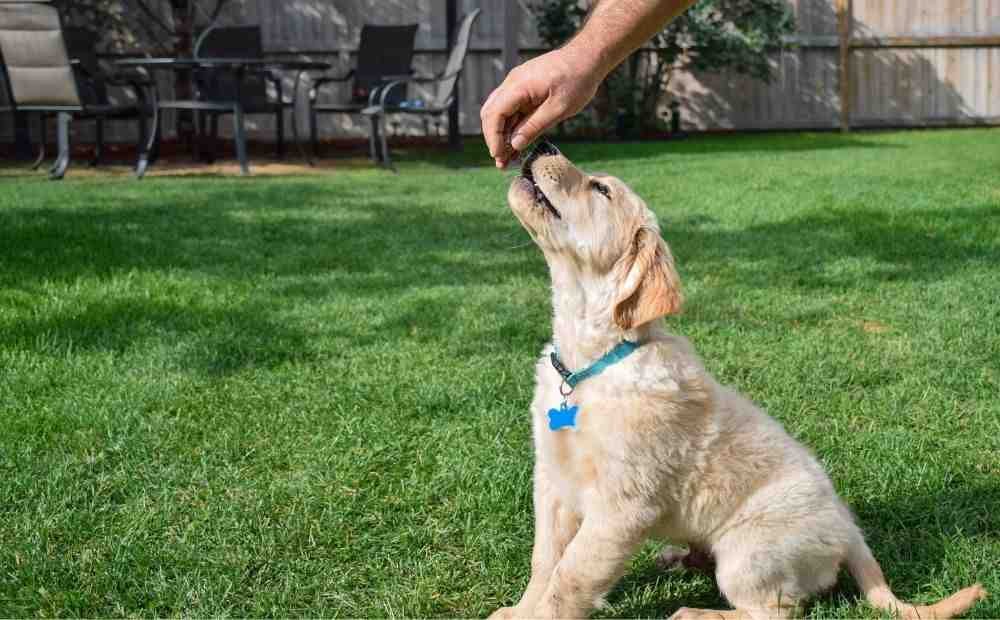
Counter-Conditioning changes your dog’s feelings by pairing a trigger with something wonderful, like a high-value treat. For example, if your dog is wary of strangers, they get a delicious treat every time a stranger appears at a safe distance. Soon, your dog starts to associate strangers with good things.
Desensitization involves gradually exposing your dog to their trigger at a very low intensity—so low that they don’t react. We call this working “under threshold.” As your dog stays calm, we slowly decrease the distance or increase the intensity over many sessions, always pairing the experience with positive reinforcement.
Why Positive Reinforcement is Key:
Punishment-based methods can suppress a growl but often increase the underlying fear, leading to more dangerous behavior like biting without warning. Positive, reward-based training is shown to reduce fear and behavioral problems. We want to build your dog’s confidence, not intimidate them.
Here’s a quick comparison of punishment-based versus positive reinforcement methods in behavior modification for aggressive dogs:
| Feature | Punishment-Based Training | Positive Reinforcement Training |
|---|---|---|
| Philosophy | Suppress unwanted behavior through aversive stimuli. | Encourage desired behavior through rewarding experiences. |
| Effectiveness | May suppress behavior, but often doesn’t address root cause; can increase fear/anxiety. | Builds positive associations; addresses underlying emotional states; promotes confidence. |
| Risks | Increased fear, anxiety, aggression; damage to bond; learned helplessness; unpredictable behavior. | Minimal risks when applied correctly; builds trust and a stronger relationship. |
| Outcomes | Dog may become fearful of handler or specific situations; aggression can be redirected or become unannounced. | Dog learns to offer desired behaviors; enjoys training; more predictable and calm responses. |
Keep training sessions short and always work under your dog’s threshold. If they react, you’ve moved too fast. Patience and consistency are everything!
At Pet Caddy, our dog training services are built on these reward-based principles. Whether it’s for board & train at our Austin-area ranch or guidance on behavior modification, we focus on positive experiences that build confidence. Our trainers in Spicewood, Lakeway, and Horseshoe Bay are committed to gentle, effective methods.
Building Better Habits: Impulse Control and Alternative Behaviors
Part of behavior modification for aggressive dogs is teaching new habits and better impulse control. This gives your dog positive alternatives to reacting aggressively.
Teaching Calm and Focus:
- ‘Look at That’ Game: Teach your dog to look at a trigger, then look back at you for a treat. This shifts their focus from reacting to checking in.
- ‘Find It’ Game: Tossing treats on the ground encourages sniffing, a naturally calming behavior that distracts from triggers.
- Settle on a Mat: Teaching your dog to relax on a designated mat gives them a safe space to practice being calm.

Impulse Control Exercises:
Simple exercises like ‘Leave It’ and ‘Wait’ build patience and teach your dog to look to you for guidance before acting. Even making your dog sit calmly for a moment before meals reinforces that good things come from calm behavior. Practicing these skills consistently helps them become automatic, giving your dog a toolkit of positive responses to use in stressful situations.
Calling in the Experts: The Role of Vets and Certified Trainers
Sometimes, we need professional help. Knowing when to call for backup is a sign of a responsible owner.
Your Veterinarian’s Role:
Sudden or new aggression can be a symptom of a medical issue like pain, a thyroid imbalance, or a neurological problem. Your vet should be your first stop to rule out any physical causes.
Finding a Qualified Trainer or Behavior Consultant:
The dog training industry isn’t regulated, so it’s important to find a professional who uses humane, science-based methods. Look for:
- Positive Reinforcement: Choose trainers who use reward-based methods. Avoid those who use punishment or aversive tools like shock or prong collars, which can worsen aggression.
- LIMA Principles: Look for adherence to the “Least Intrusive, Minimally Aversive” (LIMA) approach. You can learn more about understanding LIMA principles.
- Certifications: Reputable certifications include CPDT-KA from CCPDT or CDBC from IAABC.
- Experience with Aggression: Ask about their specific experience with cases like yours.
The American Veterinary Society of Animal Behavior (AVSAB) offers great resources on how to choose a qualified professional.
Our board & train programs at Pet Caddy, serving Austin communities like Marble Falls and Steiner Ranch, are designed to complement the work of your behavior professional. We provide consistent, reward-based training in a supervised ranch environment with wide-open spaces for play.
The Path Forward: Long-Term Success and Difficult Decisions
Living with and loving a dog with aggressive behaviors is a unique path. Here, we’ll talk about realistic expectations for the future and how to steer the most challenging decisions with compassion and support.
What to Expect: Prognosis and Lifelong Management
When starting behavior modification for aggressive dogs, it’s helpful to have realistic expectations. This isn’t always a “curable” condition but is often more like managing a chronic one. It requires ongoing effort and vigilance.
The prognosis depends on many factors, including the severity of the aggression and your commitment to the plan. Our goal is to reduce the frequency of aggressive incidents and improve your dog’s quality of life (and yours!). Celebrate the small wins—they add up to big progress.
This is often a lifelong commitment to management, ongoing training, and providing plenty of mental and physical enrichment. At Pet Caddy, our Austin-area doggy daycare and dog boarding services offer a healthy outlet for energy with wide-open spaces and supervised play, which can help reduce the stress that fuels aggression.

When Love Isn’t Enough: Navigating the Hardest Choices with Grace
Sometimes, despite our best efforts, love isn’t enough to safely manage aggressive behavior. This is the hardest reality a pet owner can face, and it’s a decision filled with grief and sadness. If you’re in this position, you are not alone.
Rehoming and Ethical Considerations:
Rehoming a dog with a history of aggression is risky. Without full disclosure, you could put a new family at risk and be held legally liable. Finding a suitable, safe home can be incredibly difficult.
Humane Behavioral Euthanasia:
In some cases, when a dog’s quality of life is poor due to constant fear, or the risk to safety is too high, humane behavioral euthanasia is a compassionate, though heartbreaking, option. This decision is never made lightly and should be done in consultation with a veterinary behaviorist or trusted vet. It is an act of grace made out of profound love and responsibility.
We understand how painful this is. If you are struggling, support is available. We encourage you to read one family’s story to feel less alone in this difficult choice.
At Pet Caddy, we support our Austin-area pet parents through every part of their journey. If you need support or resources, please don’t hesitate to contact us for support and resources. We’re here to listen and help.