A Well-Trained Pup is a Happy Pup
Welcome, Austin dog lovers! When you look for dog obedience training, you’re searching for more than just commands—you’re building a better relationship with your furry family member. Training helps you and your pup create a clear, loving connection. It teaches good manners like “sit” and “stay,” solves common problems like jumping or pulling on the leash, and keeps your dog safe, allowing for more freedom. The result is a happier, more harmonious home for everyone.
As any seasoned dog parent knows, a well-behaved companion makes for a joyful home. Dog obedience training isn’t about teaching tricks; it’s about fostering clear communication and a bond that lasts a lifetime. Here in our Austin community, we want your dog to be a confident member of the family, ready for any adventure, from Zilker Park strolls to cozy nights in. With the right guidance, you’ll find that common headaches melt away, leaving more room for “Tail Wags” and shared joy.

We all want our pups to thrive, and training is the foundation of a happy life together. Think of it like learning to dance with your dog; once you both know the steps, the harmony is beautiful.
Your Guide to Effective Dog Obedience Training
The Building Blocks of Good Manners
When it comes to dog obedience training, think of it less like boot camp and more like learning to dance together. The most effective approach is also the kindest: positive reinforcement. Instead of focusing on what your dog does wrong, you celebrate what they do right.
Positive reinforcement means your dog gets something wonderful—a tasty treat, a favorite toy, or an enthusiastic “Good dog!”—when they do what you ask. When your pup sits and gets a reward, their brain makes a happy connection: sitting = good things happen. This is the kind of learning that sticks and creates the “Like Home” atmosphere we believe in.
Two other key ingredients are consistency and patience. Everyone in the household should use the same commands and signals. Regular practice, even just for five minutes a day, helps good habits become second nature. Your dog is learning a new language. Some pups catch on quickly, while others need more time. Celebrate the small victories!

Keeping sessions short and fun is another secret to success. Brief training sessions—five to ten minutes—keep things exciting and prevent your pup from getting bored. Always end on a high note with something your dog does well. When training feels like playtime, those “Tail Wags” become your best measure of success.
How to Teach the Basics: Sit, Stay, and Come
These three commands—sit, stay, and come—are the foundation of dog obedience training. Mastering them makes daily life smoother and can keep your pup safe, from busy Austin streets to off-leash park adventures.
Teaching “sit” is a great first step. Hold a treat near your dog’s nose, then move it up and back over their head. As their nose goes up, their rear will naturally lower. The moment their bottom touches the floor, say “Sit!” in a happy voice and give them the treat and praise. Once they get the hang of it, you can add a hand signal and start fading the treat lure.
Teaching “stay” builds on the sit command and teaches impulse control. With your dog in a sit, say “Stay” and take one small step back. If they hold their position, step back to them, reward, and praise. Don’t call them to you—that teaches them to break the stay. Gradually increase the distance and duration. If they move, calmly guide them back and try again at an easier level. Always use a release word like “Okay!” to let them know when they’re done.
Teaching “come” might be the most important command for your dog’s safety. Start in a quiet room. Get down on your dog’s level, open your arms, and say “Come!” in an excited voice. When they reach you, make it a party with treats and praise. A golden rule: never scold your dog when they come to you, no matter how long it took. You want them to always associate coming to you with good things. As they get reliable, practice in the backyard with mild distractions.
Luring with treats is your friend at the start. Use small, soft treats like cooked chicken, cheese cubes, or store-bought training treats to keep training fun.
Solving Common Problems with Dog Obedience Training
Dog obedience training is also great for solving common behavioral hiccups. Instead of just saying “no,” you can show your dog what they should do instead.
- Jumping on guests: This is usually an enthusiastic hello. Teach a better greeting by turning your back when they jump and rewarding them with attention the moment all four paws are on the floor.
- Nuisance barking: A tired dog is often a quiet dog. Ensure your pup gets enough exercise and mental stimulation. You can also teach a “quiet” command by rewarding moments of silence.
- Pulling on the leash: Teach your dog that a loose leash gets them where they want to go. When they pull, stop walking. Only move forward when the leash goes slack, and reward them for walking nicely beside you.
- Destructive chewing: This natural behavior needs to be redirected. Provide plenty of chew toys. If you catch them chewing a shoe, calmly swap it for their toy and praise them. This combines management (putting shoes away) with training (teaching what to chew).
Group Classes vs. At-Home Training: What’s Best for Your Pup?
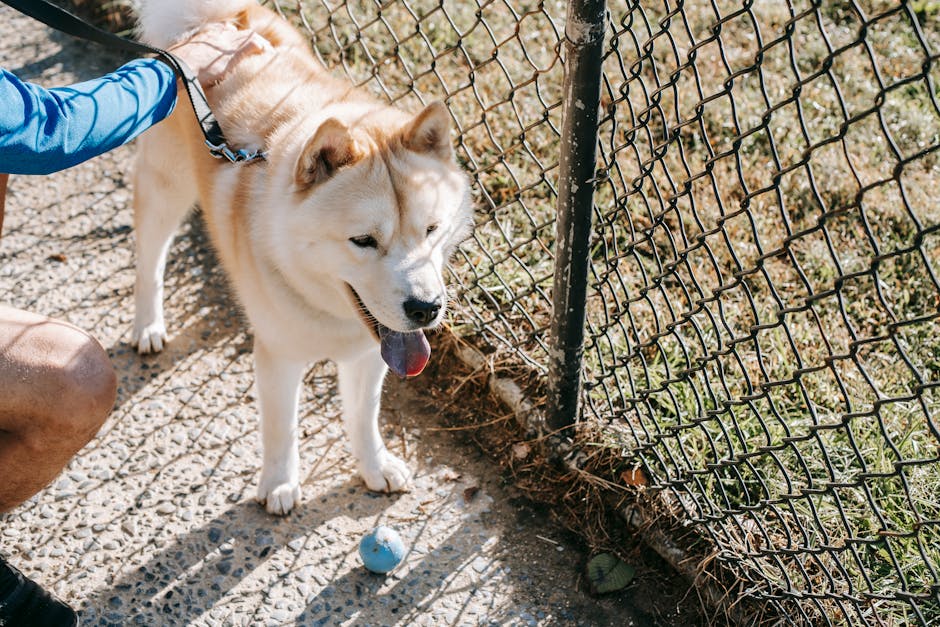
When you’re ready for dog obedience training, you’ll need to decide between group classes and at-home training. Both have value, and the right choice depends on your dog’s personality and your goals.
Group classes offer valuable interaction with other dogs and teach your dog to listen with distractions. This helps them generalize commands to real-world situations. Plus, you get professional guidance and can connect with other Austin dog parents.
At-home training provides one-on-one focus in a calm, controlled environment. This is ideal for shy or reactive dogs, allowing them to build confidence before facing busier places. It’s also convenient, letting you practice whenever it fits your schedule.
Here’s a quick comparison:
| Feature | At-Home Training | Group Classes |
|---|---|---|
| Environment | Controlled, familiar, low distraction | Varied, controlled distractions, social |
| Interaction with Others | Limited, requires external efforts | Excellent for dog-dog and dog-human interaction |
| Distraction Level | Low initially, gradually introduced | Moderate to high, helps generalize commands |
| Feedback | Self-assessment or private trainer’s input | Immediate, expert feedback from professional trainer |
| Pace | Customized to your dog’s individual needs | Set by class curriculum, but adaptable |
| Convenience | High, flexible scheduling | Fixed schedule, requires travel |
A combination often works best. To complement any training program with supervised play, check out our doggy daycare services, which offer “Small Groups, Big Care” in our “Wide Open Spaces.”
Keeping the Good Habits Going in Austin
When to Call in a Pro for Dog Obedience Training
While many behaviors can be shaped at home, some challenges call for a specialist. For certain issues, bringing in a professional dog obedience training expert is the safest and most effective path.
If you’re seeing signs like aggression (growling, snapping), severe anxiety or fear, or resource guarding (possessiveness over food or toys), it’s time to reach out to a professional. These are complex issues that need an expert hand to understand the root cause and guide your dog toward calmer behaviors.
It’s also okay to ask for help if you simply feel overwhelmed or stuck. A professional trainer can offer a fresh perspective and new techniques. For persistent problems like house-soiling (after a vet check) or destructive behaviors, a seasoned pro can provide the guidance you need.
When looking for help, seek out trainers with certifications (like CPDT-KA) and a commitment to positive reinforcement methods. You can also Find a Dog Club through resources like the AKC. Our own certified trainers at Pet Caddy are experts in reward-based methods, ensuring your dog’s learning journey is always positive.
Maintaining Progress for a Lifetime of Tail Wags
Dog obedience training isn’t a one-time event; it’s an ongoing journey. The real magic happens when good habits stick for a lifetime of happy “Tail Wags.”
Once your dog masters commands at home, take their skills on the road! Austin offers countless places for continued practice in the real world, from coffee shop patios to Zilker Park. Gradually introduce distractions and reward your dog for their focus. This helps them learn that “sit” means “sit” everywhere.
To keep progress on track, be mindful of these common pitfalls:
- Inconsistency: Ensure everyone in the family uses the same commands and rules.
- Using Punishment: This can create fear and damage your bond. Positive reinforcement is kinder and more effective.
- Unrealistic Expectations: Every dog learns at their own pace. Celebrate small steps and enjoy the journey.
- Long, Boring Sessions: Keep training brief (5-10 minutes) and fun to hold your dog’s attention.
- Forgetting to Generalize: Practice commands in various locations with different distractions.
For an immersive learning experience, our Pet Caddy board & train program is a great solution. It’s a “home away from home” on our 5-acre ranch where your dog gets professional dog obedience training daily. Instead of being stuck in “Kennels,” they’ll enjoy a “Ranch Adventure” in our “Wide Open Spaces” with “Hands-On Care.” This approach helps dogs learn quickly, and our transparent pricing always includes all-day play and human interaction.
Learn more about our dog training services. As a local business serving Austin and surrounding areas like Spicewood and Lakeway, we pride ourselves on our “Calm Boutique Space.” Ready to start? Contact us or view our services.