Why Dog Training Builds a Bond Beyond Commands
Dog Training is more than just teaching your pup to sit or stay. It’s about building a language between the two of you—a partnership based on trust, clear communication, and mutual respect. A well-trained dog is a happier, more confident dog. They know what’s expected of them, feel secure, and are mentally stimulated by learning. For you, this means fewer frustrations and more tail wags.
Here’s what every dog owner should know:
- Start early, but it’s never too late. Puppies can begin learning around 8 weeks old, but adult dogs can learn new tricks with patience.
- Positive reinforcement is key. Rewarding good behavior with treats, praise, or play builds trust and makes learning fun.
- Essential commands create safety. Sit, stay, come, and leave it are the foundation for good manners and can keep your dog safe.
- Socialization builds confidence. Gently exposing your dog to new people, places, and animals helps prevent fear and anxiety.
- Training is a lifelong journey. Consistent practice keeps dogs sharp, engaged, and happy.
Training gives your dog the tools to steer the world calmly and joyfully, strengthening your bond and preparing them for all of life’s adventures—from quiet evenings at home to a fun stay at a ranch-style boarding facility.
The Foundations of Effective Dog Training
Effective Dog Training is less about commands and more about conversation. It’s about understanding how your dog thinks, what motivates them, and how to communicate clearly. At its core, successful training rests on a few simple truths: consistency is the golden rule, every dog is unique, and keeping it fun is non-negotiable.
When you’re consistent with rules and rewards, your dog learns to trust you and feels secure. Recognizing whether your pup is motivated by treats, toys, or praise allows you to tailor your approach. By keeping sessions short and positive, you create an eager learning partner and build the foundation for a happy, well-adjusted companion.
When to Start and Why It’s Never Too Late
The ideal time to start Dog Training is when your puppy first comes home, usually around 8 weeks old. During their critical socialization period (from 3 to 16 weeks), puppies are like sponges, and positive experiences with new sights and sounds have a lasting impact. Early training helps them develop good habits and learn that learning is fun.
But here’s the wonderful news: you absolutely can teach an old dog new tricks. If you’ve adopted an adult dog or training simply took a backseat, it’s never too late to start. Older dogs are perfectly capable of learning, though you may need a little extra patience as you work through established habits. Training is a lifelong journey that keeps a dog’s mind sharp and engaged, which is especially beneficial for seniors. Whether you have a young pup or a seasoned companion, the rewards of training are always worth it.
The Art of Positive Dog Training
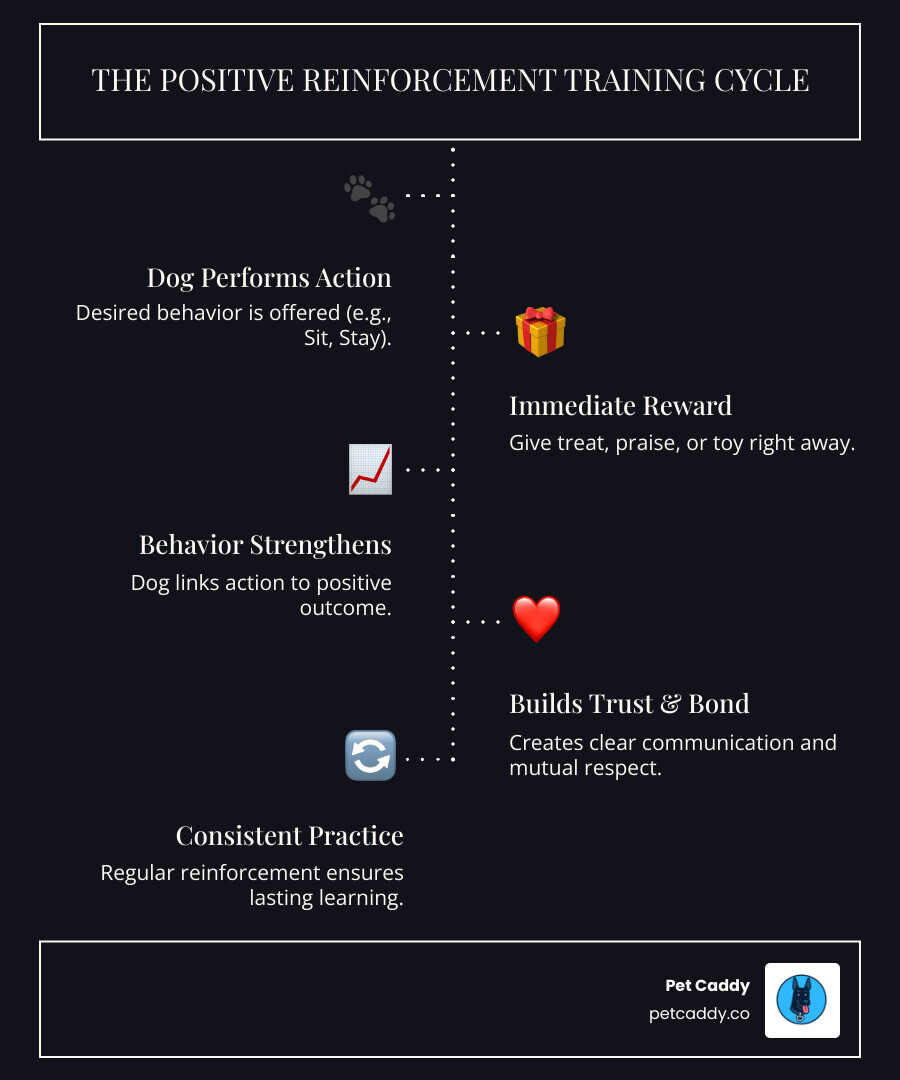
Positive reinforcement is a philosophy that makes Dog Training joyful. Instead of correcting what your dog does wrong, you celebrate what they do right. This builds trust, not fear, and turns your dog into an eager learning partner.
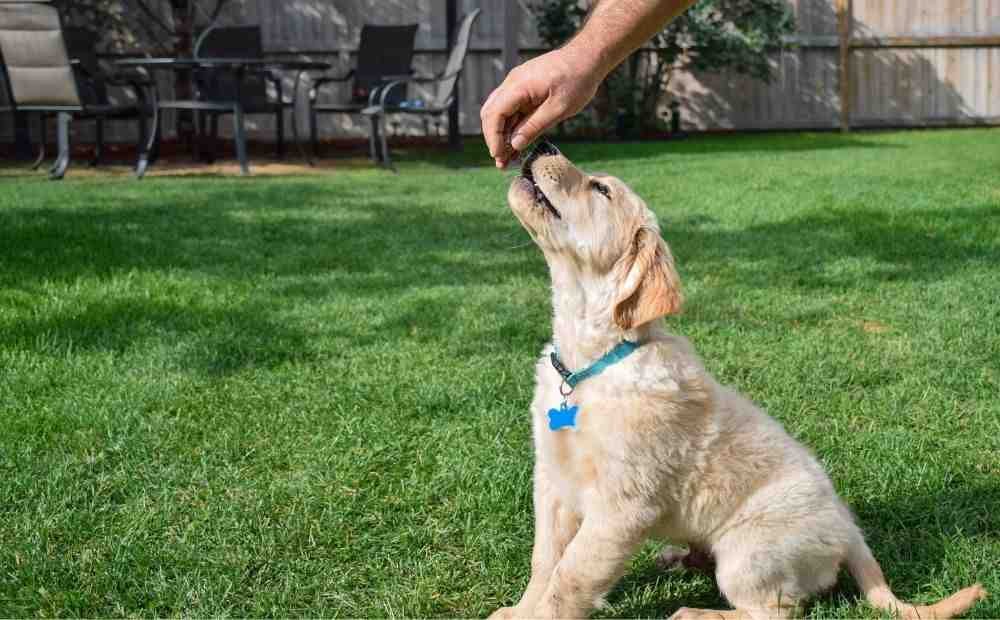
The concept is simple: when your dog does something you like, they get a reward. This could be a tasty treat, enthusiastic praise, or a favorite toy. The reward marks the good behavior, making them more likely to repeat it.
| Feature | Positive Reinforcement | Aversive-Based Methods |
|---|---|---|
| Focus | Rewarding desired behaviors. | Punishing undesired behaviors. |
| Approach | Encouragement, motivation, building trust. | Correction, intimidation, creating fear. |
| Impact on Dog | Builds confidence, strengthens bond, reduces stress. | Can create fear, anxiety, and damage trust. |
| Learning Outcome | Dog learns what to do and enjoys it. | Dog learns what not to do out of fear. |
A great tool for this is clicker training. The “click” sound precisely marks the exact moment your dog does the right thing, and it’s always followed by a reward. This clarity helps your dog learn faster.
The magic is in timing and consistency. Reward the behavior immediately, and make sure everyone in the house uses the same cues. This turns training into a fun game and fosters a wonderful partnership.
Essential Commands for a Well-Mannered Pup
Basic commands are essential tools for safety and good manners. Before you start, grab some high-value treats (small, soft, and delicious), a 6-foot leash, and a treat pouch. Keep training sessions short and fun—just 2-5 minutes at a time is perfect.
Here are the fundamentals:
- Sit: Lure your dog into a sit by holding a treat over their nose and moving it back toward their tail. Their rear will naturally lower. Mark the moment with a “Yes!” and a treat. Add the word “Sit” once they get the motion.
- Stay: Ask your dog to sit, say “Stay” with a clear hand signal, and take one step back. If they hold their position, return to them and reward. Gradually increase the distance and duration.
- Come: Make this the best word your dog has ever heard! In a quiet area, use an excited tone to call “Come!” and reward them with tons of praise and a high-value treat when they get to you. Never punish a dog for coming to you, even if it took a while.
- Down: From a sit, lure your dog down by moving a treat from their nose to the floor between their paws. Reward them the instant their elbows touch the ground. This is a great command for helping a dog settle.
- Leave It: Teach your dog to ignore dropped items. Cover a boring treat with your hand. Say “Leave It.” The moment your dog looks away from your hand, reward them with a better treat from your other hand. This teaches them that ignoring the item leads to a better reward.
Avoid common mistakes like repeating commands, getting frustrated, or rewarding too late. Consistency from everyone in the family is key to building a foundation of good manners.
Socialization: Creating a Confident, Worldly Dog
Socialization is the process of introducing your dog to new sights, sounds, people, and other animals in a positive, controlled way. This is not about letting dogs run loose to “figure it out.” Instead, it’s about carefully building their confidence. For puppies, the window between 3 and 16 weeks is especially important.
The goal is to prevent fear and anxiety, creating a dog who is comfortable in different environments. To do this safely, pair new experiences with high-value treats and praise. Start in quiet settings and gradually increase the distractions. Always watch your dog’s body language; if they seem overwhelmed, it’s time for a break.
Good socialization means exposing them to a variety of people, surfaces, and sounds, and teaching them to greet other dogs politely on a leash. This thoughtful approach helps your dog see the world as a safe, fun place.
Addressing Common Behavior Problems
Challenging behaviors are often just a dog’s way of communicating a need or confusion. Understanding the “why” is the first step to finding a solution with positive Dog Training.
- Leash Pulling: Dogs pull because it gets them where they want to go. The fix? Stop walking the moment the leash gets tight. Only move forward when the leash is loose. This teaches them that a relaxed leash keeps the walk going.
- Excessive Barking: Identify the trigger and teach an alternative. If your dog barks at the doorbell, train them to go to their bed and wait for a reward.
- Jumping on Guests: This is usually just over-the-top enthusiasm. Teach your dog that they only get attention when all four paws are on the floor. Ask guests to ignore them until they sit calmly.
- Destructive Chewing: Often a sign of boredom or anxiety. Provide plenty of appropriate chew toys and make sure your dog gets enough mental and physical exercise.
- Running Away: Chasing a runaway dog often turns into a game. Instead, make “Come” the most rewarding command, and practice it often.
Some issues, like submissive urination, can have medical or deep-seated fear components. If you’re concerned, a visit to your vet is the best first step. For more information, check out a guide to understanding submissive urination.
Choosing the Right Training Path for You and Your Dog
The right Dog Training path depends on your dog’s needs and your goals. Group classes are great for socialization and learning with other owners, while private lessons offer personalized attention for specific challenges. When choosing a professional, look for certified trainers who use positive reinforcement. The American Kennel Club is a great resource and offers Dog Training Help from the AKC.
A key concept is “proofing,” which means practicing commands in different environments with distractions. A “sit” in your living room is different from a “sit” at a busy park. Proofing makes your dog’s skills reliable in the real world.
For those who want to take training to the next level, programs like the AKC Canine Good Citizen (CGC) are a fantastic goal. It certifies your dog as a well-behaved member of the community and is a wonderful way to strengthen your bond.
Building a Partnership That Lasts a Lifetime
Dog Training is a lifelong journey, not a destination. Every practice session deepens the bond you share, building a language of trust and respect. A well-trained dog is a happier dog—one who feels secure, confident, and ready to join you on any adventure, from a quiet evening at home to exploring wide open spaces.
We know life gets busy. For those in the Austin area and surrounding communities—including Spicewood, Horseshoe Bay, Marble Falls, Steiner Ranch, Hudson Ranch, Lakeway, and Barton Creek—Pet Caddy’s board and train programs offer a helping hand.
Our programs provide a “home away from home” experience on our spacious five-acre ranch. Here, your dog receives expert Dog Training in a calm, stress-free environment. We believe in transparent pricing with no hidden fees, and hands-on human interaction and all-day play are always included. Your dog won’t be confined to a small kennel; they’ll be out enjoying a ranch adventure, with supervised play and exploration. This approach helps your dog build real-world skills and confidence.
Ready to build an incredible bond with your dog? We’d be honored to partner with you. Explore our dog training services and let’s help your companion become the best version of themselves.