Why French Bulldog Training Sets Your Pup Up for a Happy Life
French Bulldog training means working with their smart, affectionate personality and occasional stubborn streak. These pups are eager to please but need a patient approach that respects their unique physical traits—like their short snouts and limited endurance.
Quick Answer: Essential French Bulldog Training Steps
- Start Early – Begin basic training at 8-12 weeks old
- Use Positive Reinforcement – Reward with treats, praise, and play
- Keep Sessions Short – 5-10 minutes maintains focus
- Establish a Routine – Consistent schedule for meals, potty breaks, and training
- Socialize Early – Introduce new experiences before 12-14 weeks
- Be Patient – Frenchies learn quickly but can be strong-willed
- Mind Their Breathing – Avoid overexertion during training
A French Bulldog is a loyal, playful companion who thrives on human connection. They’re people-oriented and smart, making them easy to train if you know what motivates them. Instead of firm commands, Frenchies need to see what’s in it for them—they’re independent thinkers with big personalities.
With the right approach, Frenchies learn basic skills quickly. Consistency, short sessions, and positive reinforcement are key. Whether it’s potty training, basic commands, or social skills, the foundation is always patience, praise, and understanding your pup’s needs.
Here in the Austin area, many Frenchie owners find that combining home training with socialization opportunities—like supervised group play at a ranch-style facility—helps create confident companions. The goal is a training plan that fits your Frenchie’s timeline and your lifestyle.
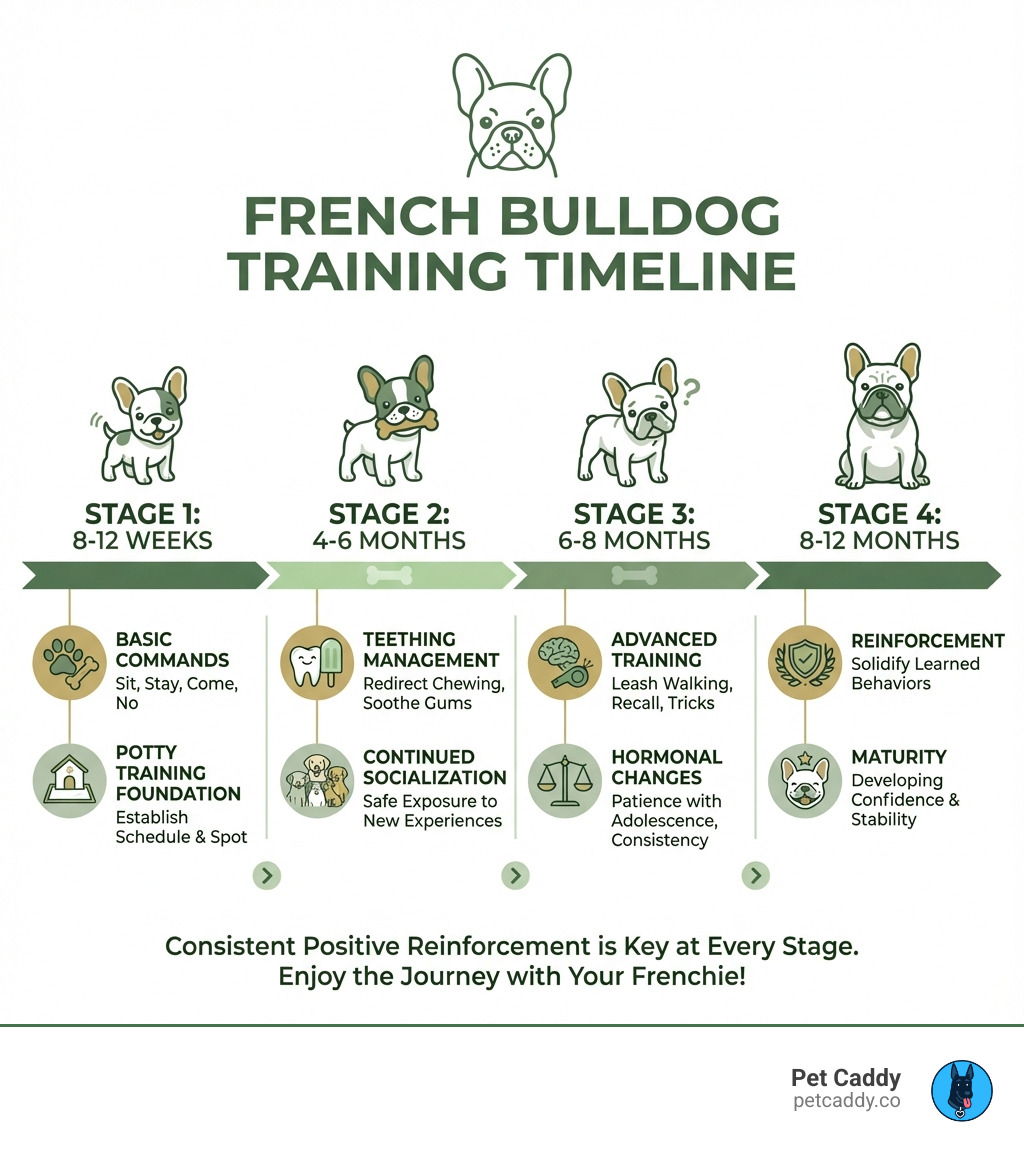
The French Bulldog Training Blueprint: From Puppyhood to Polished Pal
French Bulldogs are a delightful blend of charm and character. Their unique traits influence how we approach their training, ensuring we set them up for success.
Understanding Your Frenchie: Personality & Prep
French Bulldogs, or “Frenchies,” are special pups. The American Kennel Club calls them playful, smart, and affectionate. They’re even-tempered, adaptable companions who communicate with a symphony of snorts and groans.
Their personality adds a twist to training. Frenchies are people-focused and thrive on company, responding well to positive attention. They also have a charming stubborn streak. If a Frenchie seems stubborn, it often means they’re distracted or don’t see the point. Our job is to make training worth their while!
We must also consider their physical traits. As a brachycephalic (short-snouted) breed, they are prone to breathing issues, especially in warm weather or during strenuous activity. We must moderate their exercise and training to prevent overheating. Long runs aren’t suitable for them.
Their build also means they can’t swim without help. This is a key safety point in the Austin area with its many lakes. Water safety training is a must to keep them safe near water.
To prepare for training, you’ll need a few supplies:
- A well-fitted harness: A flat, no-pull harness that rests on their chest is safer for their airways than a collar.
- A lightweight leash: A 6-foot training leash is ideal for teaching basic commands.
- High-value treats: Soft, small, and extra delicious treats are your Frenchie’s currency for learning.
- Durable chew toys: These help redirect their natural chewing behavior away from furniture.
- A comfortable crate: This will be a safe, den-like space for your Frenchie, aiding in potty training.
- A clicker (optional): A clicker can be a clear way to mark desired behaviors.
For more in-depth information about this wonderful breed, we always recommend checking out More about the breed from the American Kennel Club.
The Power of Positivity: Core Training Techniques
For French Bulldog training, positive reinforcement is the only way we recommend. Aversive methods should never be used. Frenchies are sensitive, and harsh corrections can damage their trust. Our goal is a joyful bond built on positive methods.
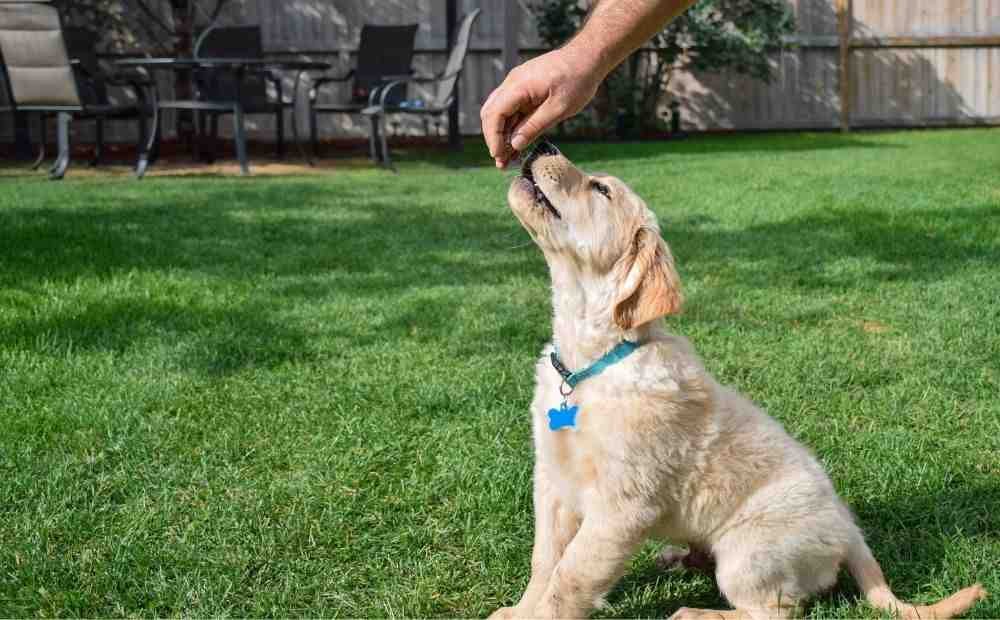
Reward-based methods are key. Use treats, praise, and toys to reward good behavior. Find out what motivates your Frenchie most—a tasty treat or a game of fetch. A high-value reward means faster learning.
Keep training sessions short and fun. Frenchies learn best in 5-10 minute sessions, a few times a day. This keeps them focused and prevents boredom. Training should be a fun experience.
Let’s explore some basic commands:
- Teaching ‘sit’: Hold a treat near your Frenchie’s nose and move it up and back over their head. Their bottom will naturally lower. The moment they sit, say “yes!” and give the treat and praise. After a few reps, add the cue “sit” as they begin the motion.
- Teaching ‘stay’: Once ‘sit’ is reliable, introduce ‘stay’. Ask them to sit, say “stay,” and take one step back. If they hold, return and reward them. Slowly build duration and distance. If they break the stay, guide them back and try an easier version.
- Teaching ‘come’: This is a key safety command. Start in a quiet area. Say “come!” in an excited voice and back away. When they come to you, reward them generously with treats and praise. Make it a party! Gradually increase the distance and add mild distractions as they improve.

Consistency is key. Everyone in the house should use the same cues and rewards for fast, eager learning.
Mastering House Manners: Crate and Potty Training
Good house manners, especially crate and potty training, are key to living happily with a Frenchie. They can be challenging to potty train, but crate training helps with many puppy issues.
The crate should be a safe, cozy den, not a jail. It helps with potty training, prevents destructive chewing, and eases anxiety when they’re alone. It also makes vet visits or boarding less stressful.
Introduce the crate gradually to make it a positive space. Place bedding, toys, and treats inside. Feed meals in the crate with the door open. Once they enter happily, close the door for short periods, slowly increasing the time. Never use it for punishment. A treat-filled toy like a KONG helps create positive associations.
Potty training Frenchies can test our patience. They can be challenging, especially if extreme weather makes outdoor trips unappealing. But with a solid plan, you can succeed.
A routine is your superpower. Frenchies thrive on it. Set a regular schedule for feeding, play, and potty breaks. A puppy can generally hold its bladder for its age in months plus one hour. Take them out often: first thing in the morning, after meals, after naps, after play, and before bed.
Learn to recognize the signs they need to go out: pacing, sniffing, or whining. When you see these cues, take them outside immediately. When they go, celebrate with praise and a high-value treat.
Accidents will happen. Clean them up with an enzymatic cleaner to remove odors that attract them back to the same spot. Never scold your pup for an accident; it only creates fear. Calmly clean up and stick to your routine. Patience and consistency are key.
Beyond the Basics: Socialization and Behavior Shaping
Once basics are down, it’s time for socialization and addressing behavioral quirks. Socialization is important for these naturally good-natured dogs.
Socializing your puppy early (before 14 weeks) is key. Gently expose them to new sights, sounds, people, and friendly, vaccinated dogs in a safe, controlled way. Reward brave, curious behavior to build a confident adult. In the Austin area, supervised doggy daycare with small groups is a great way to continue this journey.
Without proper guidance, Frenchies can develop behavioral issues. Here’s how to address common ones:
- Chewing: Frenchies love to chew, especially while teething (4-6 months). If they chew something inappropriate, don’t scold. Redirect them to a durable chew toy. Keep plenty of engaging toys available.
- Barking: Frenchies bark to alert you, but it can become a nuisance. Teach a “quiet” command. Let them bark once or twice at the door, say “quiet,” and reward them when they stop. Practice this by ringing the doorbell yourself.
- Jumping: Jumping is usually for attention. When your Frenchie jumps, turn your back and ignore them. Reward them with praise the moment all four paws are on the ground. They’ll learn that polite greetings get them attention.
Teaching a Frenchie to be calm when left alone is important to prevent separation anxiety. Crate training provides a secure space. Offer a treat-filled KONG when you leave to create a positive association. Practice short absences, gradually increasing the time away to build their confidence.
Making It Stick: Consistency, Reinforcement, and Next Steps
We’ve covered the basics, but the real magic of French Bulldog training lies in its ongoing nature. It’s a journey, not a destination, and one that builds a stronger bond every step of the way.
The Role of Routine in French Bulldog Training
French Bulldogs are creatures of habit and thrive on routine. Consistency is key in their training and daily life. A regular schedule for feeding, play, and training helps them feel secure and learn quickly, often picking up basic skills in just a few sessions.
Reinforcing lessons means consistently rewarding good behavior. Keep high-value treats and praise handy. Training is a lifelong process of building on success by gradually increasing difficulty and distractions to keep their minds sharp.
Your Partner in Pawsitive Training
Watching your Frenchie grow into a well-mannered companion is incredibly rewarding. This training journey strengthens your bond and leads to a happier life together.
Sometimes, you might hit a training snag. That’s normal, and it’s when extra help is needed. For pet parents in the Austin area—including Spicewood, Horseshoe Bay, Marble Falls, Steiner Ranch, Hudson Ranch, Lakeway, and Barton Creek—we offer expert support.
At Pet Caddy, we get the unique needs of Frenchies. We provide a true “home away from home” where safety and personalized attention come first. Our five-acre ranch is a Ranch Adventure for dogs, with wide-open spaces for supervised play—a world away from cramped kennels.
We pride ourselves on superior care. Our guests are never confined all day. They’re out playing and getting hands-on human interaction and all-day play at no extra cost. Our pricing is transparent, with no hidden fees.
Our board and train programs use positive reinforcement to help your Frenchie flourish. Our team works with your dog to build good habits while they enjoy an enriching stay with us. It’s an immersive experience that helps your dog learn and grow while having fun.
We’re here to be your partner in training. Come see how our approach can help your Frenchie thrive.
Learn about our dog training services.