The Adventure of a Lifetime with Your Four-Legged Pardner
Wing and shot gun dog training is the process of teaching your dog to locate, flush, and retrieve game birds out in the field. This kind of training builds on natural instincts and basic obedience to shape a steady hunting partner who listens well, works calmly around gunfire, and brings birds back gently to hand.
What you’ll find in this guide:
- Foundation skills – Basic obedience, socialization, and choosing the right breed
- Core training ideas – Introducing birds and gunfire through positive association
- Training stages – Beginner yard work through advanced field skills
- Common snags – Gun shyness, ranging too far, and how to work through them
- Signs of success – What a well-trained gun dog looks like in action
There’s something special about watching a dog do what it was born to do. Whether it’s a pointer freezing mid-stride with one paw lifted, a spaniel crashing through brush with pure joy, or a retriever swimming out to fetch a downed bird, those moments are pure magic.
They’re also the result of patience, steady practice, and a honest partnership between you and your dog.
Many trainers say most of a flushing dog’s training can be done in about three months with a good plan. But truth be told, training a gun dog is a lifelong project that starts the moment your pup trots through the door. It’s about building trust, shaping that natural drive, and creating a bond that goes way beyond commands and whistles.
This isn’t just about making your dog hunt. It’s about working together as a team, reading each other in the field, and celebrating those tail wags when everything clicks. Whether you’re dreaming of early morning duck hunts or upland bird walks through the Texas Hill Country, this guide will walk you through the journey from puppy to polished hunting pardner.

Easy wing and shot gun dog training word list:
The Foundation: Gearing Up for Success
The rich history of gun dog training goes back centuries, growing out of old-school hunting traditions where people and dogs learned to trust each other in the field. Dogs weren’t just tools; they were (and still are) close companions whose instincts were shaped to help with the hunt.
That deep connection sits at the heart of wing and shot gun dog training. It’s a quiet, steady kind of teamwork built on respect and understanding.
Choosing the right breed matters, but the bond you build day in and day out matters even more. A trusting relationship turns training from a chore into a shared adventure. And just like any good pardner, your gun dog needs to be comfortable out in the big, wide world.
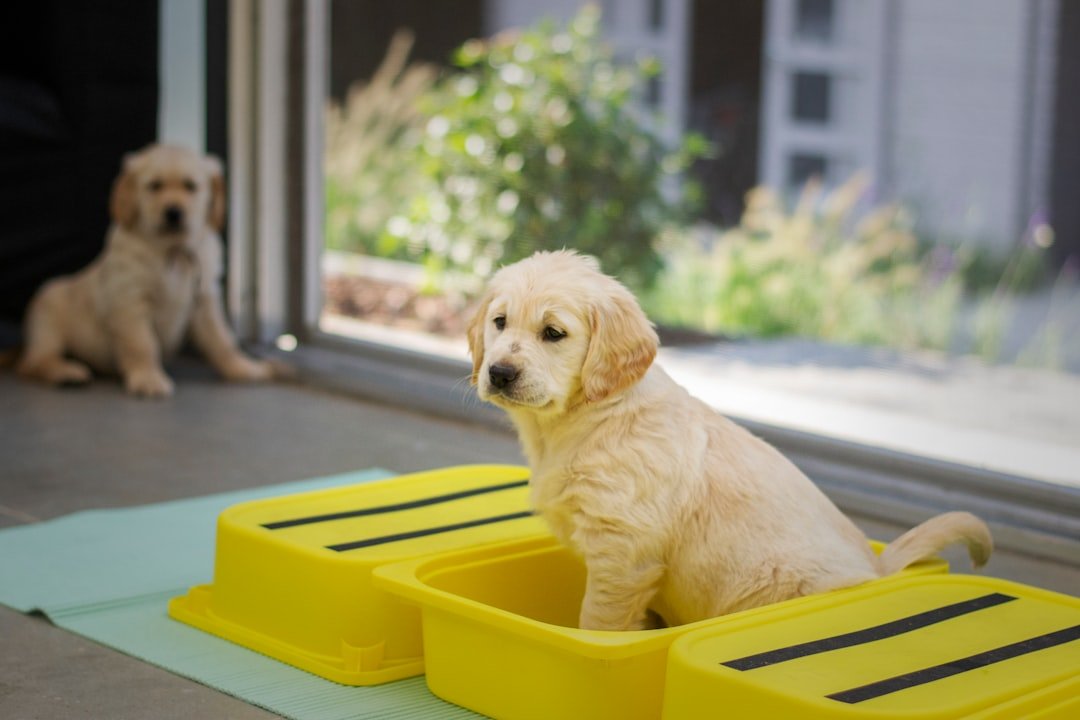
Socialization from a young age, starting right in puppyhood, lays the groundwork for a confident, steady dog in all sorts of hunting situations. A well-socialized pup is a happy pup, ready to explore and learn new things without getting rattled. For those first steps, our doggy daycare services can help your little one get started on the right paw with calm, confidence-building work.
If you’re looking for dog training in Lakeway or around the Austin area, we keep things local, personal, and down-to-earth so both you and your dog feel right at home.
Best Breeds for the Field
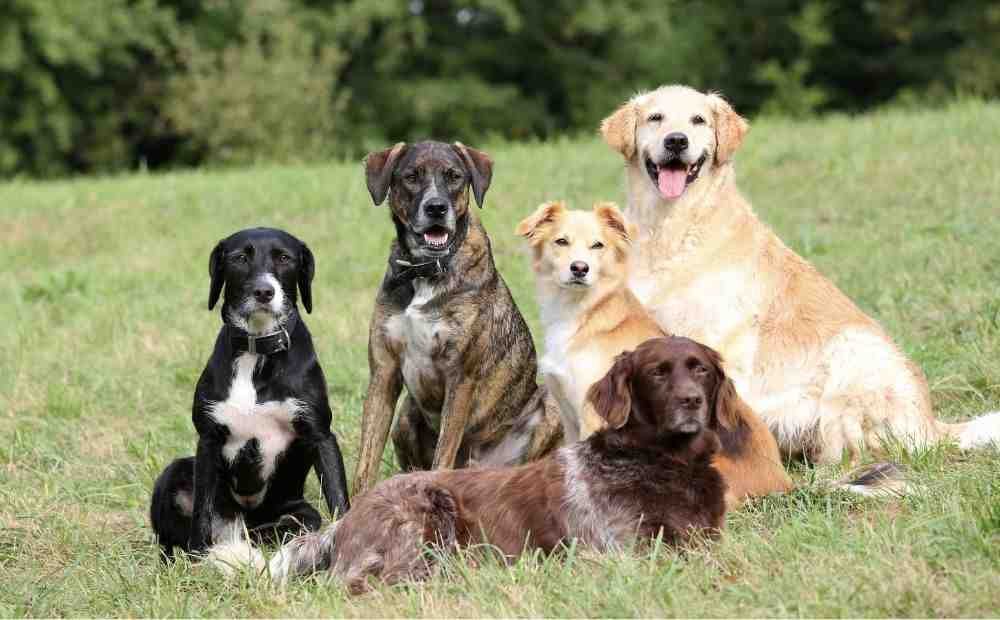
When it comes to wing and shot gun dog training, some breeds naturally shine a bit brighter thanks to generations of careful breeding for hunting traits. Even so, every dog is an individual, and personality often counts just as much as pedigree.
- Pointers: Dogs like German Shorthaired Pointers, English Pointers, and Setters are masters at finding birds and then “pointing”—freezing in a statuesque pose to show you where the bird is. They’re all about that steady focus.
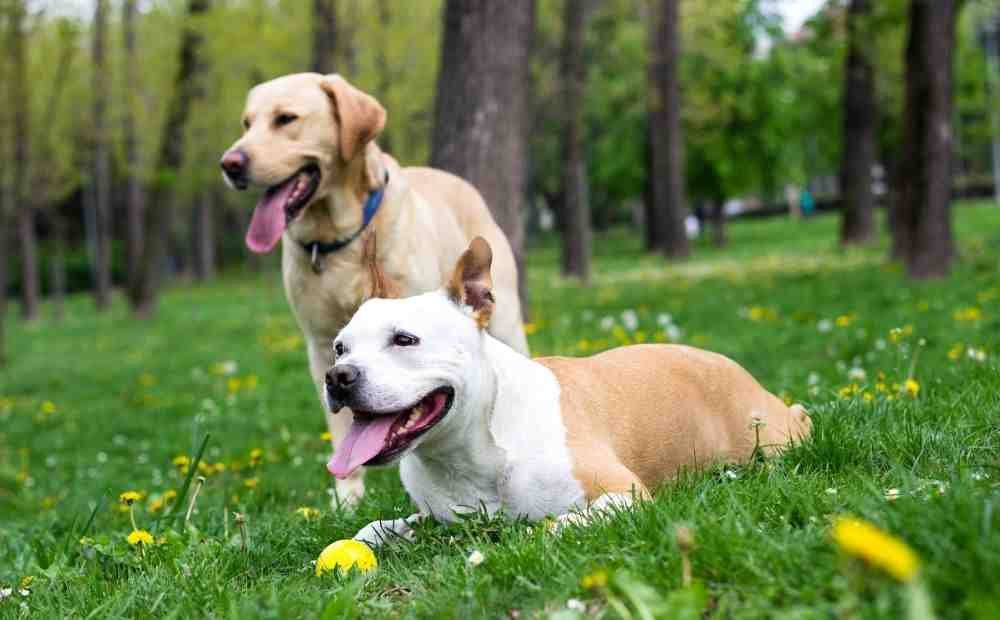
- Retrievers: Labradors, Golden Retrievers, and Chesapeake Bay Retrievers love bringing things back. Their main job is to fetch downed birds from land or water. They’re known for eager attitudes and soft mouths.
- Flushing Dogs: Spaniels, such as English Springer Spaniels and Cocker Spaniels, are great at flushing birds out of cover. They work close, pushing through brush with plenty of enthusiasm.
While these breeds tend to have strong natural instincts, temperament is the real secret. A calm, confident, eager-to-please dog, no matter the mix, is usually easier—and more fun—to train.
A dog that enjoys working with you, even if they’ve got a touch of playful mischief, will thrive with wing and shot gun dog training and send plenty of tail wags your way.
Essential Equipment for Wing and Shot Gun Dog Training
Just like a cowboy needs a good saddle and rope, a gun dog trainer needs a few basic tools. Here’s a simple starter kit that will set you and your dog up for success:
- Check Cord: This long rope (15–30 feet) helps you teach commands like “whoa” and “here,” giving guidance from a distance while keeping your dog safe.
- Whistle: A whistle is a gun dog’s main communication tool in the field. It lets you give clear direction over long distances without yelling.
- Training Dummies (Bumpers): These are your dog’s first “birds.” They come in different sizes, colors, and materials, and help your dog learn to retrieve without the pressure of live game. Some float for water work.
- Starter Pistol: Used to introduce the sound of gunfire slowly and calmly. It’s quieter than a shotgun, which helps you take things step by step.
- Bird Launchers: These devices toss training dummies or live birds into the air, giving you a more realistic flush or shot. They’re handy for practicing marking and retrieving.
- The Right Collar: A flat buckle collar for everyday wear is a must. For training, a properly fitted slip collar or a remote training collar (e-collar) can be helpful when used kindly and thoughtfully, backing up your commands from a distance. An e-collar is a communication tool, not a punishment device, and should be introduced with care and fairness.
Core Principles of Wing and Shot Gun Dog Training
At the heart of good wing and shot gun dog training is a simple idea: work with your dog’s instincts, not against them. That means understanding why your dog wants to sniff every bush or chase a fluttering leaf, then guiding that drive toward solid hunting habits.
Training should feel like a fun game for your dog. When they enjoy the work, they show up eager, learn faster, and handle new things with more confidence.
A confident dog is much less likely to be bothered by new land, loud noises, or the surprise flush of a bird.
Introducing Birds and Gunfire
This part of wing and shot gun dog training can feel a little delicate, and for good reason. Done right, your dog will think birds and gunfire mean one thing: fun times ahead.
We do that by building positive associations step by step.
Start with a starter pistol, fired at a distance while your dog is excited about a bird (even a dead one or just a training dummy). Over time, as your dog stays relaxed and happy, you can move the sound closer.
Many trainers use pigeons or quail at this stage since they’re often easy to manage and work well for early introductions.
Where you train matters too. Working in different spots—with new sights, sounds, and smells—helps your dog get used to all sorts of hunting situations. Keep a close eye on your dog’s body language. If you see any sign of worry or stress, back things up and make it easier and more fun again.
For a clear, step-by-step plan you can follow at home or out on the ranch, this 90-Day Training Checklist from Gun Dog Magazine is a handy resource.
The Power of Positive Reinforcement
Our approach to wing and shot gun dog training, and training in general, leans strongly on positive reinforcement. That means rewarding the behaviors we want more of, instead of focusing on punishing mistakes.
When your dog sits on cue, makes a nice retrieve, or shows good interest in a bird, we let them know they did well.
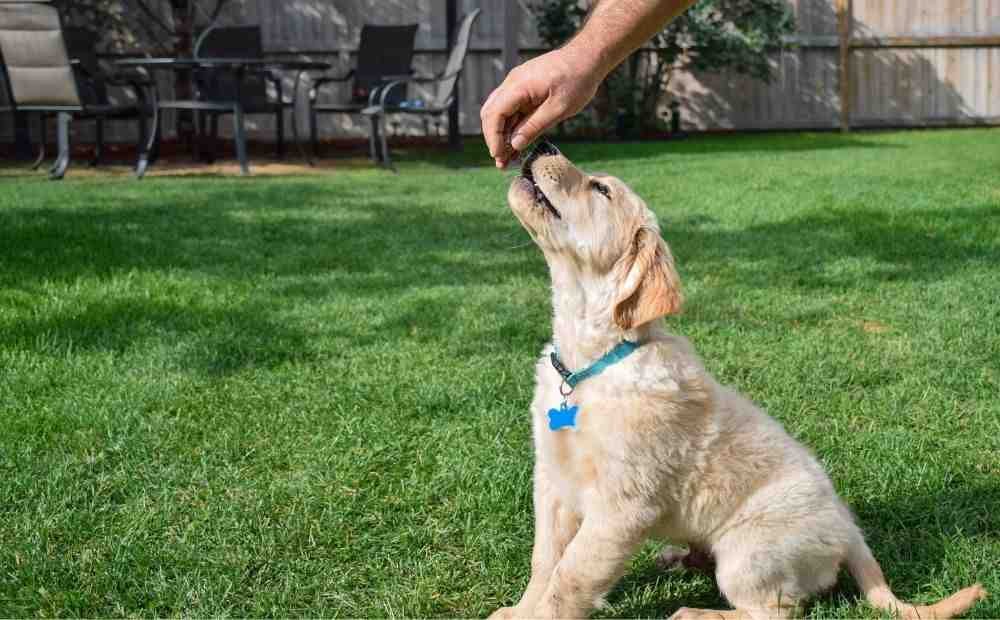
Reward-based methods build real enthusiasm. Dogs learn that paying attention to you and doing their jobs leads to good things: praise, treats, or a favorite toy. As your dog grows more solid with their skills, you can slowly use fewer food rewards and lean more on happy praise and petting.
We like short, focused sessions that end while your dog still wants more. Think of it like a good game of fetch—you stop while the fun is still rolling.
This style of training not only works, it also tightens the bond between you and your dog. For more on how we build that foundation through dog training in Lakeway and the surrounding Austin area, take a look at our Dog Obedience Training guide.
The Training Journey: From Puppy to Polished Hunter
The journey from playful pup to polished hunting partner is its own kind of adventure, full of muddy paws, tail wags, and proud moments. Wing and shot gun dog training is a steady climb of skills, each step resting on the last.
You start with basics, then add tougher tasks, always ready to circle back when your dog needs a refresher.
Patience is your best friend here. Every dog learns at their own pace. What makes sense right away for one pup may take a few extra weeks for another.
We move at the dog’s speed, not ours, and that slow-and-steady approach builds a solid foundation that can last a lifetime.
Training for different game birds might call for small adjustments, since a pheasant flushing in thick cover is a bit different from a duck dropping over water. But the core ideas stay the same: your dog should be steady, responsive, and happy to work beside you.
For folks new to all this, our Basic Gun-Dog Training guide is a helpful starting point, especially if you’re looking for practical dog training in Lakeway or the greater Austin area.
Key Stages in Wing and Shot Gun Dog Training
The path to a well-trained gun dog usually unfolds in stages, each one building on the last:
- Beginner Phase (Yard Work & Basic Obedience):
This is where the fun begins, often around 4–6 months of age, or whenever you bring your new companion home. We focus on basic obedience like “sit,” “stay,” “come,” and “heel.” This is also when you introduce the check cord, whistle, and training dummies.Positive exposure to birds, even just dead ones, starts here to build that all-important bird drive. This stage is about clear communication, gentle guidance, and a strong working relationship.
- Intermediate Phase (Field Work & Steadiness):
Once your dog has a solid handle on the basics, usually around 7–12 months, it’s time to stretch their legs in the field.Here, you sharpen retrieving, introduce gunfire with care, and begin teaching “steadiness”—the dog’s ability to stay calm and hold steady when birds flush or shots ring out. Drills with wing-clipped birds or launchers help, and you slowly add more distractions.
- Advanced Phase (Honoring & Blind Retrieves):
For the finished gun dog, this stage—often after a year of age—focuses on the trickier skills. “Honoring” means your dog respects another dog’s point or retrieve without barging in.“Blind retrieves” teach your dog to fetch a bird they didn’t see fall, using your whistles and hand signals as a guide. Water work also ramps up for retrievers. The goal is a dog that’s skilled, steady, and simply a joy to hunt with.
A 90-day training plan, like the one from Gun Dog Magazine, can help you map out these stages, especially for flushing dogs.
Common Challenges and How to Steer Them
Even with a thoughtful plan, bumps in the road are normal. Here are a few common challenges in wing and shot gun dog training and some down-to-earth ways to handle them:
- Gun Shyness:
If a dog becomes nervous about gunfire, it usually means the noise came on too strong, too fast.The fix is to slow way down: reintroduce softer sounds from a long distance, always paired with something fun (food, a favorite dummy, or a bird). Only move closer when your dog is relaxed and happy. No rushing.
- Hard Mouth (Damaging Birds):
Some dogs hang on to birds with a bit too much gusto. You can work on this through “conditioned retrieve” or “force fetch” style exercises that teach a calm, gentle hold. It’s about teaching control rather than clamping down. - Ignoring Commands:
If your dog seems to forget what “come” means in the field, it often means the command wasn’t fully practiced around distractions.Go back to basics in low-distraction spots, then slowly add more excitement. A remote training collar, when used fairly and with good timing, can help reinforce commands at a distance so your dog understands that “come” always means “come.”
- Ranging Too Far:
Some high-drive dogs like to push way out in front.Start by keeping them closer with a check cord. Then teach them to “quarter”—hunting in a back-and-forth pattern—and respond to whistle signals to turn or come back.
If you hit a wall, it usually just means it’s time to step back and shore up the basics. Sometimes a fresh set of eyes helps too. If you’re dealing with ongoing behavior issues, our Behavior Training for Dogs: What It Is and How to Get Started guide offers down-to-earth strategies you can pair with your field work.
Measuring Success and Ethical Hunting
Watching your gun dog work in the field, attentive and focused, is a truly rewarding experience. It’s the culmination of all your hard work and patience. Measuring success isn’t just about bagging birds; it’s about the partnership, the communication, and the joy your dog takes in their work. Assessing progress is an ongoing process, a continuous conversation between you and your canine companion.
Beyond the thrill of the hunt, ethical considerations are paramount. We believe in respecting the animal and the land. This means always prioritizing your dog’s well-being, practicing humane hunting techniques, and being a responsible steward of nature. Best practices in the field include knowing your limits, being mindful of wildlife populations, and ensuring your dog is always under control. It’s about preserving the sport for future generations and honoring the incredible bond with our four-legged partners.
What a Well-Trained Gun Dog Looks Like
A truly well-trained wing and shot gun dog is a sight to behold. They move with purpose and grace, their instincts finely tuned by thoughtful training. Here are the hallmarks of a finished gun dog:
- Steadiness to Wing, Shot, and Fall: This is the gold standard. When a bird flushes (wing), the gun fires (shot), and the bird falls, your dog remains calm and in position, waiting for your command to retrieve. No breaking, no chasing without permission. It’s a testament to their discipline and your trust.
- Eager Retrieving: A well-trained gun dog loves to retrieve! They dash out with enthusiasm, pick up the bird gently, and bring it straight back to hand, delivering it without fuss.
- Responds to Whistle and Hand Signals: In the noisy, expansive environment of the field, verbal commands can be lost. A finished gun dog responds instantly to whistle blasts and hand signals, allowing you to direct them precisely to downed game or guide them through cover.
- Works as a Team with the Handler: This is the essence of gun dog work. Your dog understands your movements, reads your intentions, and anticipates your commands. You are a seamless unit, moving together through the landscape.
- Confidence in the Field: A confident gun dog steers varied terrain, dense cover, and new environments with ease. They aren’t rattled by distractions and remain focused on their task, trusting in your leadership.
Frequently Asked Questions about Wing and Shot Training
What’s the best age to start formal gun dog training?
Most trainers agree that foundation work—basic obedience and early confidence-building—starts as soon as your puppy comes home, usually around 8–10 weeks.
That’s when you shape manners, house rules, and a calm outlook on life. More formal bird and gun introductions usually begin around 6–8 months, once your dog has a steadier head on their shoulders and understands simple commands.
Starting gunfire too early or too loud can spook a young dog, so slow and steady is the rule.
How much does professional gun dog training cost?
The cost for professional wing and shot gun dog training can vary depending on the trainer’s experience, the length of the program, and how often you train.
For one-on-one training sessions, prices are often in the $75–$150 per hour range.
Board-and-train programs, which are common for gun dog work because of their day-in, day-out routine, can range quite a bit. Some stay around $1,000 per month, while more intensive or specialty programs may be $3,000 or more for a multi-week stay.
These programs often include daily personalized training, bird exposure, and plenty of time out in the field.
At Pet Caddy, we’re a locally owned Austin-area business, and we believe in clear pricing. No surprise add-ons or hidden fees.
We run our place like a dude ranch for dogs—five acres of Wide Open Spaces, Tailored Play in Small Groups, and lots of Hands-On Care. Dogs are never stuck in Kennels all day. They’re out enjoying a Ranch Adventure, with real, supervised human interaction at no extra cost. That way, your hunting buddy comes home tired, happy, and ready for your next outing together.
Can any dog be trained for wing and shot?
Plenty of dogs can learn the basics of obedience and fetching, but breeds with strong natural instincts for pointing, flushing, or retrieving get a head start in wing and shot gun dog training.
They’re often born with the kind of drive and focus this work asks for.
Still, success comes down to a mix of things: your dog’s temperament (are they confident, steady, and willing to work with you?), their natural interest in birds, and your own patience and consistency.
A beautifully bred dog with an impatient handler may struggle, while a mixed-breed dog with a thoughtful, steady handler can surprise you in the best way.
The key is to work with the dog in front of you and build on their strengths, one calm, clear session at a time.
Conclusion: A Bond Forged in the Field
The journey of wing and shot gun dog training is much more than teaching a list of commands. It’s about building a quiet understanding that grows with every walk through tall grass and every morning out on the water.
The rewards stretch far beyond a bag of birds. You gain a deeper connection with your dog—one built on trust, respect, and plenty of shared Ranch Adventure stories.
Picture a lifetime of hunts together, from crisp Hill Country sunrises to peaceful evenings by a farm pond. There’s a special kind of pride in watching your well-mannered dog work with focus and joy.
Those perfect retrieves, the steady points, the soft sits at your side—that’s where the real satisfaction lives.
When you head out of town or need a safe spot for your buddy, Pet Caddy offers dog boarding in the Austin area that feels Like Home, with real Small Groups, Big Care on our five-acre ranch. We proudly serve families in Spicewood, Horseshoe Bay, Marble Falls, Steiner Ranch, Hudson Bend, Lakeway, Barton Creek, Barton Creek Lakeside, and Bee Cave.
Dogs here enjoy Wide Open Spaces, supervised Tailored Play, and hands-on human attention. They’re never just parked in Kennels all day.
We believe a well-trained dog is a happy dog—and a happy dog makes for a relaxed owner.
If you’re ready to keep building that bond and polish your dog’s manners on and off the field, Learn more about our Advanced Obedience Training or schedule your pup’s stay at our ranch. We’ll be here, boots on, ready to welcome your four-legged pardner.