Welcome to the Pack: An Introduction to Your GSD
German shepherd training for beginners starts with understanding one simple truth: you’ve just welcomed one of the smartest, most loyal breeds into your life. These dogs are eager to learn, quick to bond, and thrive when given clear guidance and a job to do. The good news? That intelligence makes training a joy. The challenge? It means they need consistent leadership and mental stimulation from day one.
Quick Start Guide for Training Your German Shepherd:
- Start Early – Begin training and gentle introductions as early as 8 weeks old
- Introduce Them to the World Before 16 Weeks – Gently expose your puppy to new people, places, and experiences during this key window
- Use Positive Reinforcement – Reward-based training builds confidence and trust
- Keep Sessions Short – 5-10 minutes of focused training, repeated throughout the day
- Provide Mental Stimulation – Puzzle toys, scent games, and “jobs” prevent boredom
- Exercise Daily – Adult GSDs need 1.5-2 hours of physical activity
- Be Consistent – Clear, consistent commands from all family members
German Shepherds were originally bred to herd and protect, which means they’re hardwired to work closely with humans. That deep desire to please makes them incredibly trainable, but it also means a bored German Shepherd can become a destructive German Shepherd. Your job as a new owner is to channel that intelligence and energy into appropriate behaviors through structured training and plenty of engagement.
Whether you’re bringing home a puppy or an adult dog, the foundation is the same: gentle introductions to the world, basic obedience, and building a relationship based on trust and clear communication. The sky’s the limit for what you can teach a German Shepherd if you’re willing to put in the time, especially during that first year.
At Pet Caddy, we understand the importance of hands-on care and proper training. Our wide-open 5-acre ranch gives dogs the space to run, play, and practice their skills in a safe, supervised environment. We believe every dog deserves personal attention and meaningful interaction—no hidden fees, no kennels all day.

First Things First: Understanding Your German Shepherd’s Mindset
This section is all about getting to know the brilliant mind of your new best friend. Understanding what makes them tick is the first step to a happy home and some serious tail wags.
German Shepherds are truly magnificent dogs, known for their confidence, courage, and smarts. They consistently rank among the top breeds for intelligence and working ability, making them quick learners who thrive on praise and love to please their owners. Their temperament is a unique blend of loyalty, alertness, and intelligence. They form incredibly strong bonds with their families, often becoming devoted companions. This loyalty, however, often comes with a protective instinct, which is why early training and positive introductions to new things are so important.
They possess high energy and a profound need for purpose. A German Shepherd without a job, whether it’s learning new tricks, participating in dog sports, or simply being a well-behaved family member, can quickly become a “disaster” according to some experts. Their intelligence, if not channeled appropriately, means they can just as quickly pick up undesirable habits as good ones!
Many first-time dog owners might wonder, “Are German Shepherds easy to train for first-time owners?” While their intelligence and eagerness to work make them highly trainable, their high energy and problem-solving skills mean they’re not always the easiest for a beginner. They need a clear-headed, consistent, and patient leader. But with the right support and commitment, a first-time owner can absolutely succeed and build a wonderfully rewarding relationship. It’s all about being ready to learn and grow with your dog, embracing the journey with a calm and reassuring presence.
Leadership for a German Shepherd isn’t about dominance or harshness; it’s about clear communication, consistent expectations, and providing structure. It’s showing them what you want them to do, helping them learn how to do it, and then letting them shine. At Pet Caddy, we often see how a well-structured routine, combined with plenty of space to run and play, helps these intelligent dogs truly thrive.
Working-Line vs. Show-Line: What’s the Difference?
Not all GSDs are cut from the same cloth, and knowing the difference can help you understand your dog’s energy and drive.
When we talk about German Shepherds, it’s helpful to understand that there are generally two main types: working-line and show-line. These distinctions stem from their breeding focuses and can significantly influence their temperament and, by extension, their training needs. It’s almost like they’re two different breeds!
| Feature | Working-Line German Shepherd | Show-Line German Shepherd |
|---|---|---|
| Bred For | Specific jobs: protection, police work, military, herding, sport | Appearance, conformation to breed standard |
| Temperament | Higher drive, intense, courageous, focused, energetic, confident | Often calmer, more mellow, can be aloof, bred for companion. |
| Appearance | Often more athletic, less exaggerated angulation, functional | More exaggerated angulation, often larger, specific coat colors |
| Energy Needs | Very high; requires extensive physical and mental stimulation | High; requires regular exercise but may be less intense |
| Suitability | Experienced owners, active lifestyles, specific working roles | Families, companions, less demanding active lifestyles |
Working-line German Shepherds are bred for their abilities and drives—their focus is on performance. They have an insatiable appetite for activity and mental challenges. Pet Caddy’s wide-open spaces in Austin, Lakeway, or Spicewood are perfect for channeling this energy into healthy, joyful play.
Show-line German Shepherds, sometimes referred to as pet-line, are bred primarily for their appearance and to conform to breed standards for dog shows. While still intelligent and active, their drive is often less intense than their working-line counterparts. They tend to be more sociable and generally easier to manage in everyday life, though they still benefit immensely from consistent training and engagement.
Understanding which type of German Shepherd you have can help you tailor your German shepherd training for beginners approach, ensuring you meet their specific needs and set them up for success.
The Puppy Playbook: Early Introductions and House-Training
Those first few months are a whirlwind of fun and learning. Here’s how to get started on the right paw with early introductions and house-training, setting the foundation for a well-mannered companion.
Introducing your German Shepherd to the world early on is incredibly important. We can’t stress this enough! Because of their protective nature, it’s important that they learn to tell the difference between a friendly stranger and a real threat. A lack of early, positive experiences has been shown to lead to anxiety and reactivity in dogs. This key window for introductions closes between 12 to 16 weeks of life, and your GSD puppy is no exception. This means it’s a busy, but rewarding, time!
During this period, introduce your puppy to many different people, other calm and vaccinated dogs, and new environments in a positive, controlled way. Think friendly adults and children, gentle car rides, different surfaces, and everyday sounds like traffic or vacuum cleaners. The goal is positive exposure, not overwhelming them. Short, fun, three-minute games can be a great way to build confidence. A pup who has been introduced to the world with care becomes a confident, happy dog, and that’s a joy to live with. You can find more insights into this scientific backing for early stimulation and its benefits from Applied Animal Behavior Science.
Alongside these early introductions, house-training is another top priority. German Shepherd puppies gain voluntary control of their bladder by about 8 weeks of age, so it’s time to get started right away! Consistency is your best friend here. Establish a regular schedule for potty breaks: first thing in the morning, after meals, after naps, after play, and right before bed. Always take them to the same designated spot outside and use a consistent cue word like “go potty.” When they succeed, reward them immediately with praise and a small treat.
Crate training can be incredibly effective for house-training and preventing separation anxiety. A crate provides a safe, den-like space where your puppy can feel secure. It’s a place for them to rest and helps with managing their time when you can’t supervise them directly. We encourage you to make the crate a positive experience, not a place of punishment. Feed them meals in their crate, offer special chew toys, and gradually increase the time they spend inside. This can greatly reduce the risk of separation anxiety later on.
Accidents will happen, and that’s okay! Never punish your puppy for an indoor accident, as this can create fear and make them hide their potty breaks from you. Instead, clean thoroughly with an enzymatic cleaner to eliminate odors that might attract them back to the same spot, and simply increase your supervision. For more detailed tips on house-training, check out our guide on Puppy Potty Training.
German Shepherd Training for Beginners: Commands, Exercise, and Fun
Now for the fun part! Training your GSD is a fantastic way to bond and channel their smarts. We’ll cover the basics, from commands to keeping them busy and happy.
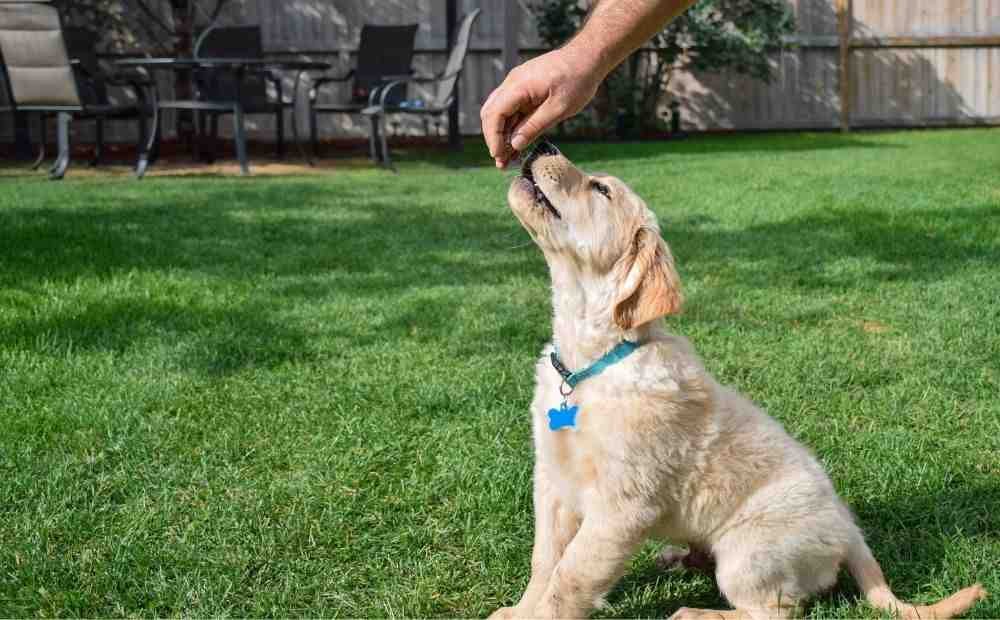
German shepherd training for beginners is all about positive reinforcement. This means rewarding the behaviors you want to see more of with high-value treats, enthusiastic praise, or a favorite toy. German Shepherds are incredibly intelligent and respond wonderfully to this approach, building confidence and strengthening your bond. Keep training sessions short, about 5-10 minutes, and end on a positive note. Their attention spans are limited, especially as puppies, so frequent, short sessions are far more effective than one long, drawn-out one.
Mental stimulation is just as important as physical exercise for these bright dogs. A bored German Shepherd can quickly become a destructive one. Think of brain training like a puzzle for their minds! Activities like puzzle toys, scent games (where they use their amazing noses to find treats), and learning new tricks can keep them happily engaged. These activities help them use their problem-solving skills and prevent them from inventing their own “jobs”—like redecorating your furniture with their teeth! At Pet Caddy, our supervised play groups and custom play activities on our Austin-area ranch provide ample mental and physical engagement, ensuring your pup is happily stimulated. For a broader look at how we approach obedience, explore our Dog Obedience Training guide.
Speaking of physical activity, German Shepherds typically need 1.5–2 hours of regular physical exercise every day. This isn’t just a leisurely stroll; it needs to be active and engaging. Structured walks, off-lead running in a safe, wide-open space, and games like fetch are excellent choices. Agility training or even just a good game of hide-and-seek in the yard can provide both physical and mental benefits. A tired German Shepherd is usually a well-behaved German Shepherd!
Essential Basic Commands for a German Shepherd Puppy
These are the building blocks for a well-behaved dog. Keep it fun, and you’ll be amazed at how fast they learn.
Mastering a few key commands forms the foundation of all future training and communication with your German Shepherd. Start teaching these as early as 5-8 weeks old, making it a fun game with plenty of rewards.
- Sit: This is often one of the first commands puppies learn. It’s a great way to teach impulse control and can be used in countless situations, like waiting for dinner or greeting guests.
- Stay: Once your GSD understands “Sit,” you can introduce “Stay.” This command teaches patience and is important for safety, allowing you to create distance or manage situations.
- Down: The “Down” command is excellent for calming your dog and can be a comfortable resting position. It also requires more commitment from your dog than “Sit,” further building their focus.
- Leave It: This command is a lifesaver! It teaches your German Shepherd to ignore tempting (and potentially dangerous) items, whether it’s discarded food on a walk or a forbidden shoe in the house.
- Come (Recall): This is arguably the most important command for safety. A reliable “Come when called” can prevent your dog from running into traffic or getting lost. Start practicing this in a low-distraction environment and gradually increase the challenge. Always make coming to you the most rewarding thing they can do! We have a whole guide dedicated to helping you master this vital skill: Teach Dog Come.
Remember to use clear verbal cues and consistent hand signals for each command. All family members should use the same commands and signals to avoid confusion.
Top Training Tips for New GSD Owners
To make your German shepherd training for beginners journey as smooth and joyful as possible, we’ve distilled our best advice into these top tips.
- Be Consistent: This is the golden rule of dog training. German Shepherds are smart and will quickly learn what they can get away with if rules are inconsistent. Everyone in the household must use the same commands, follow the same rules (no jumping on guests, no begging at the table), and have the same expectations. Consistency builds trust and understanding.
- Keep it Positive: Use reward-based training methods exclusively. Harsh punishment or dominance-based techniques can lead to fear, anxiety, and even aggression in sensitive breeds like German Shepherds. Celebrate successes, big and small, with treats, praise, and play. This builds a dog who is eager to learn and happily engaged.
- Provide a “Job”: German Shepherds are working dogs at heart. They thrive when they have a purpose. This doesn’t mean they need to be police dogs; it could be daily training sessions, puzzle toys, scent work, or even just helping you carry in groceries. Engaging their minds prevents boredom and destructive behaviors.
- Involve the Whole Family: Training isn’t just a one-person job. Ensure everyone in the family understands the training methods and commands. This reinforces consistency and helps your German Shepherd understand that the rules apply to everyone, not just one person. Plus, it builds stronger bonds with each family member.
- Be a Patient Leader: German Shepherds need a leader who is calm, confident, and patient. They will test boundaries, but it’s important to respond with clear, consistent guidance rather than frustration. They don’t reach full maturity until 2-3 years old, so the journey requires ongoing patience and understanding. Your calm leadership provides the security and structure they need to flourish.
Tackling Troubles: Common GSD Behaviors and Mistakes to Avoid
Every new owner hits a few bumps in the road. Here’s how to steer common GSD puppy behaviors and sidestep frequent training mistakes.
Even the smartest dogs can develop challenging behaviors if their needs aren’t met or training is inconsistent. For German Shepherds, some common issues include:
- Puppy Nipping and Biting: GSD puppies, like many breeds, explore the world with their mouths. This “play biting” is normal but needs to be managed. Redirect nipping onto appropriate chew toys. If teeth touch skin, yelp loudly, and immediately end play for a few minutes. This teaches them that biting means the fun stops. Don’t wait for them to “grow out of it”; actively train them to stop.
- Jumping on Guests: This is often an excited greeting that can be overwhelming for visitors, especially given a GSD’s size. Teach your dog to “Sit” to greet people. When a guest arrives, have your dog sit and reward them for keeping “four paws on the floor.” If they jump, turn your back and ignore them until they settle.
- Excessive Barking: German Shepherds are natural watchdogs, so some barking is expected. However, excessive barking can stem from boredom, anxiety, or a lack of impulse control. Ensure they get enough mental and physical stimulation. For barking at noises outside, teach a “Quiet” command, rewarding them when they stop barking on cue.
- Leash Pulling: A strong German Shepherd pulling on a leash is no fun for anyone! This is a common issue for high-energy dogs. Start with loose leash walking training early, rewarding your dog for walking calmly beside you. Avoid letting them pull; stop walking every time the leash tightens until they slacken it. Consistent practice, even in distracting environments like the busy streets of Austin or the trails in Lakeway, will make a huge difference.
- Preventing Separation Anxiety: German Shepherds form deep bonds, which can make them prone to separation anxiety. Begin independence training during puppyhood. Practice short absences, leaving them alone for increasing periods. Provide engaging puzzle toys when you leave to create a positive association with your departure. Crate training can also be a valuable tool to help them feel secure when alone.
Common Training Mistakes to Avoid:
- Inconsistent Commands or Rules: If “Sit” means one thing to you and another to your partner, or if the rules change from day to day, your GSD will be confused and less likely to obey.
- Punishment-Based Methods: Methods like “alpha rolls” or harsh corrections are not only ineffective but can damage your relationship with your German Shepherd, leading to fear, anxiety, and potentially aggression. Positive reinforcement is always the way to go.
- Expecting Too Much Too Soon: German Shepherds are smart, but they’re not robots! Training is a gradual process. Celebrate small victories and be patient with their learning curve.
- Neglecting Early Introductions: As we’ve talked about, a lack of early, positive introductions can lead to fear and reactivity towards new people, places, and other dogs.
- Long Training Sessions: Puppies and even adult dogs have limited attention spans. Keep sessions short, fun, and frequent to maximize learning.
If you find yourself struggling with persistent behavioral issues or feeling overwhelmed, don’t hesitate to seek professional help. Addressing issues early on is always easier than trying to correct deeply ingrained habits. For more serious concerns, our Behavior Modification for Aggressive Dogs services in the Austin area can provide custom support.
Health Considerations That Can Affect Your German Shepherd’s Training
A healthy dog is a happy trainee. It’s good to be aware of some breed-specific health topics that might influence your training plan.
German Shepherds are generally robust dogs, but like all breeds, they are prone to certain health conditions that new owners should be aware of. These can directly impact their comfort, energy levels, and ability to train.
- Joint Health: German Shepherds are famously prone to hip and elbow dysplasia, conditions where the joints don’t form correctly. It’s important to choose a puppy from a reputable breeder who screens their breeding dogs for these issues. During puppyhood, avoid over-strenuous exercise and high-impact activities like excessive jumping, as their bones are still developing until they are 12-18 months old. This doesn’t mean no exercise, but rather appropriate, controlled activity.
- Bloat (Gastric Dilatation-Volvulus): This is a life-threatening condition where the stomach twists. While the exact causes aren’t fully understood, large, deep-chested breeds like GSDs are at higher risk. To help prevent bloat, feed smaller, more frequent meals, avoid exercise an hour before and after eating, and use a slow-feeder bowl.
- Allergies: German Shepherds can be prone to environmental and food allergies, which might manifest as itchy skin, ear infections, or digestive upset. An uncomfortable, itchy dog will be distracted and less receptive to training. If you suspect allergies, consult your vet to find appropriate food or management strategies.
- Proper Nutrition: A high-quality diet is a cornerstone of your GSD’s overall health and training success. For puppies, a diet formulated for large-breed growth is important to support proper bone development. As adults, managing their weight is key, as obesity can exacerbate joint problems. Be mindful of training treats—they add up! Consider using a portion of their daily kibble for training rewards.
Understanding these health considerations will help you make informed choices about your GSD’s care, ensuring they’re comfortable and ready to learn. For more detailed information on this wonderful breed, we recommend consulting resources like the German Shepherd Dog breed information from the AKC.
Frequently Asked Questions about German Shepherd Training
How much exercise does a German Shepherd need?
A grown German Shepherd typically thrives on about 1.5 to 2 hours of active physical exercise a day. This isn’t just a casual stroll around the block; think structured walks, vigorous running in wide-open spaces like those at our Austin-area ranch, and engaging games like fetch that give them a job to do. Mental stimulation, through training and puzzle toys, is just as important as physical activity to keep their intelligent minds happy and prevent boredom.
What’s the difference between training a puppy and an adult GSD?
Training a puppy is all about building a foundation from scratch—early introductions to the world, house rules, and key basic commands like “Sit,” “Stay,” and “Come.” You’re shaping their understanding of the world and establishing good habits from day one. With an adult German Shepherd, you might be working on refining existing skills, introducing new, more complex commands, or lovingly untangling some old habits that need a gentle redirection. Both require patience, consistency, and positive reinforcement, but the starting point and specific goals are a little different.
Are German Shepherds hard to train for first-time owners?
German Shepherds are incredibly smart and eager to please, which is a big plus! They pick up on cues quickly and love having a purpose. However, their high intelligence and abundant energy mean they need consistent guidance and a clear leader. For a first-time owner who is ready to learn, commit to regular training, and provide plenty of mental and physical engagement, it can be a wonderfully rewarding journey. While not always considered a “typical” first-time dog, with the right support and a dedication to positive, consistent training, a beginner can absolutely succeed in raising a happy, well-adjusted GSD.
A Rewarding Journey and a Happy Home
Training your German Shepherd is one of the best adventures you’ll have together, building a bond of trust and communication that lasts a lifetime. It takes patience and consistency, but the reward is a loyal, well-mannered friend for all your Texas adventures. From the busy energy of Austin to the serene landscapes of Lakeway, Spicewood, and Marble Falls, a well-trained German Shepherd is a joy to have by your side.
At Pet Caddy, we understand that sometimes you need a helping hand, especially when you’re just starting your german shepherd training for beginners journey. Our unique ‘Like Home’ environment on our 5-acre ranch in the Austin area provides the perfect setting for your dog to learn, play, and thrive. We believe a well-trained dog is a happy dog, and we offer hands-on care, custom play in small groups, and supervised fun in wide-open spaces. Our transparent pricing means no hidden fees, and services like hands-on human interaction and all-day play are always included.
If you’re in the Austin area and need a helping hand, whether it’s for doggy daycare, basic obedience, or just ensuring your pup gets plenty of ‘Ranch Adventure’ while you’re away, we’re here for you. For more support on your training journey, check out our dog training services in Austin and see how our board and train programs can give your pup a head start towards becoming a confident, well-behaved companion. We’re proud to serve communities like Horseshoe Bay, Steiner Ranch, Hudson Ranch, Barton Creek, and Barton Creek Lakeside, bringing superior care and joyful tail wags to every dog we meet.