A Clean Home and Happy Paws Await
Dog potty training is one of the first big lessons for your pup, and it’s a journey with its share of ups and downs. Here’s what you need to know to get started:
Quick Guide to Dog Potty Training:
- Start early: Begin as soon as you bring your puppy home (typically 8-12 weeks old).
- Establish a routine: Take your dog out first thing in the morning, after meals, after naps, and before bed.
- Use positive reinforcement: Reward success immediately with treats and praise.
- Be patient: Most puppies take 4-6 months to be fully house trained, though some may take up to a year.
- Clean accidents thoroughly: Use enzymatic cleaners to remove all traces of scent.
- Watch for signals: Circling, sniffing, or whining means it’s time to go outside.
Every dog can learn to be reliably house trained with consistency, patience, and positive reinforcement. Accidents will happen, and you might wonder if your pup will ever get it. But potty training is more than protecting your floors—it’s a chance to build trust and connection with your dog.
At Pet Caddy, we see potty training as part of helping dogs feel safe and confident. Whether you’re starting with a puppy on our 5-acre ranch or helping a rescue dog unlearn old habits, the principles are the same. Dogs thrive on routine, clear communication, and encouragement.
If you like to dig a little deeper, you can also skim a quick overview of house training on Wikipedia alongside this guide.
This guide will walk you through setting up your home, understanding the best training methods, speaking your dog’s language, and troubleshooting tricky moments. We’ll cover what works and why, making the journey smoother for both of you.

Know your dog potty training terms:
Getting Started on the Right Paw: Prep and Principles
Bringing a new dog home is an exciting time, full of tail wags and puppy kisses. It also means teaching them the ropes, especially where to do their business. A little preparation and a clear plan are half the battle won.
Potty training teaches us to anticipate our dog’s needs, read their cues, and celebrate small victories. This journey strengthens your bond through trust and positive experiences. It’s important to set realistic expectations—no dog arrives knowing our rules, so it’s our job to guide them.
When to Begin: Puppies vs. Adult Dogs
One of the first questions new pet parents ask is, “When should I start?” The answer is often, “As soon as possible!”
For puppies, the ideal time to start dog potty training is as soon as you bring them home, usually between 8 to 12 weeks of age. At this stage, their brains are like sponges. By 12 to 16 weeks, your pup should have more bladder and bowel control, making training a bit smoother. Consistency from day one helps them understand expectations early.
But what if you’ve adopted an adult dog? It’s never too late! The process is similar to training a puppy, but with a few nuances. Adult dogs, especially rescues, may have learned to go indoors in past homes or situations like puppy mills. This means we need to help them unlearn old habits and build positive associations with going outside.
Older dogs can hold their bladder longer than puppies, which is an advantage. However, they may also be more set in their ways or have anxieties that affect training. Patience and understanding are needed for dogs of any age, but especially for those who need extra time to adjust. For more in-depth support, check out our More info about our Dog Training services in the Austin area.
Setting a Predictable Routine for Success
If there’s one golden rule in dog potty training, it’s this: consistency is your best friend. Dogs are creatures of habit, and a predictable routine helps them understand when and where to go. This applies to potty breaks, feeding times, play, and sleep.
A consistent feeding schedule is a cornerstone of successful housebreaking. Puppies usually need to go soon after eating, so feeding them at the same times each day encourages predictable potty times. We recommend three small, high-quality meals a day for puppies. For adult dogs, one or two meals a day at consistent times works well. Stick with your schedule!
While you should never restrict access to fresh water during the day, removing the water dish about two and a half hours before bedtime can reduce the chances of overnight accidents. Most older puppies can comfortably sleep for seven hours without a bathroom break.
Frequent potty breaks are non-negotiable, especially for young pups. Puppies often need to go right after they eat, right after they wake up, and after any burst of activity. A consistent schedule helps you both know what to expect.
Preparing Your Home for a Potty-Training Pup
Think of your home as a classroom. Preparing it for a potty-training pup is about management and setting your dog up for success, not punishment.
When you can’t actively supervise your puppy, it’s wise to restrict their access to parts of the house. Baby gates are a great tool for creating safe, confined spaces, like a kitchen or a “puppy zone.” This prevents them from having an accident in a quiet corner.
Consider rolling up tempting rugs during the initial training phase. Accidents on soft surfaces can be appealing for repeat offenses if not cleaned thoroughly. Keep pet-safe cleaning supplies, especially enzymatic cleaners, handy. These cleaners eliminate odors, which we’ll discuss more later. For more detailed guidance, our A complete Dog Puppy Training Guide offers a comprehensive look.
The Best Methods for Dog Potty Training
There isn’t a one-size-fits-all approach to dog potty training. What works for one dog might not work for another. The best strategy often blends methods to fit your dog’s personality and your lifestyle. We’re here to help you find the right approach.
Outdoor Training: The Gold Standard
For most dogs, outdoor training is the gold standard. It teaches your dog that the great outdoors is the designated bathroom.
Here’s how to make it a success:
- Choose a designated potty spot: Pick a specific area in your yard, away from play areas, and take your dog there consistently. The scent of previous visits helps them understand this is the spot.
- Use a leash for focus: Even in a fenced yard, a leash keeps your dog focused on the task. It keeps them from getting distracted by squirrels or smells. Walk directly to your spot and wait.
- Add a verbal cue: As your dog starts to go, gently say a cue like “go potty.” Over time, they’ll associate the phrase with the action, which is helpful for future hurried breaks.
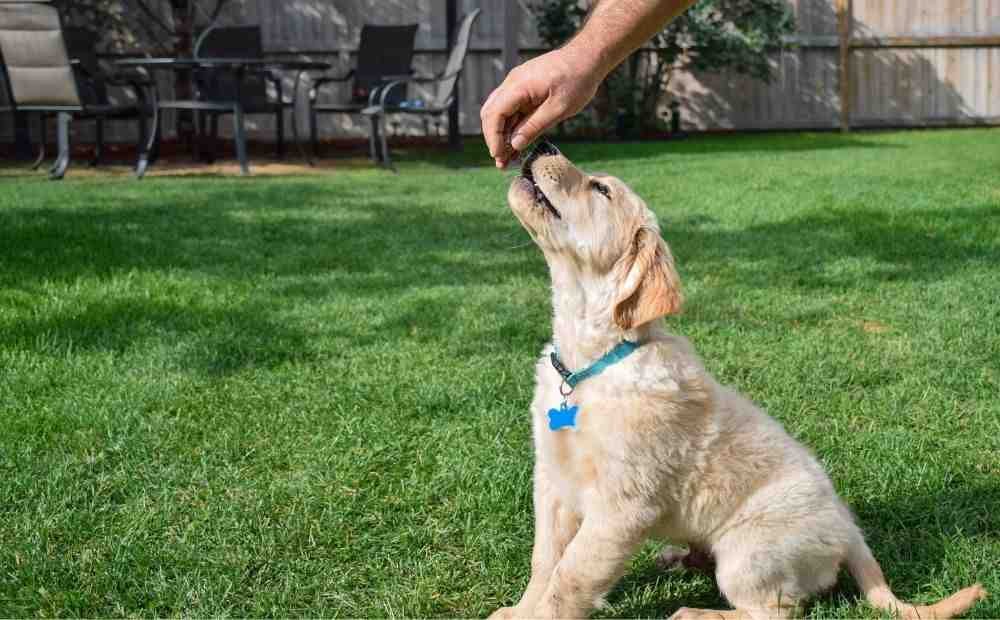
- Reward success right away: This is a key step! The moment your dog finishes, heap on the praise and offer a high-value treat. The reward must be immediate (within 1-2 seconds) so they connect the action with the reward.
- Make outdoor time fun: After they’ve done their business, extend the outdoor time for a short play session or a walk. This reinforces that going potty outside leads to more fun.
Crate Training: Your Secret Weapon for Management
Crate training is one of the most effective tools in our dog potty training arsenal. It taps into a dog’s natural den instincts—they instinctively don’t want to soil their sleeping area.
Here’s how to use it wisely:
- Pick the right size crate: The crate should be just large enough for your dog to stand, turn around, and lie down. If it’s too big, they might use one end as a bathroom.
- Make the crate a happy, safe place: The crate should never be used for punishment. It should be a cozy retreat where your dog feels safe. Introduce it with treats, toys, and soft bedding.
- Use partitions for growing pups: As your puppy gets bigger, you can adjust the partition to give them more space. This keeps the crate appropriately sized as they grow.
- The “month-plus-one” rule: This is a handy guideline for how long a puppy can be expected to hold their bladder in a crate. Take your puppy’s age in months and add one. A 3-month-old puppy can generally hold it for about 4 hours. This is a maximum, and individual dogs vary.
- Never use the crate for punishment: If your dog associates the crate with punishment, it becomes a place of fear and loses its training value.
For a deeper dive into making the crate a positive experience, explore our guide on crate training basics.
A Word on Puppy Pads and Indoor Potties
While outdoor training is the primary goal, puppy pads can be helpful in specific situations. We understand not every living arrangement allows for constant outdoor access.
When indoor options make sense:
- Apartment living: Getting a young puppy outside frequently can be a challenge in high-rises.
- Small breeds: Smaller dogs have smaller bladders and need to go more often.
- Mobility issues: For older dogs or those with health conditions, indoor potties are a compassionate alternative.
- Extreme weather: During Austin’s scorching summers or cold snaps, an indoor option can prevent discomfort.
- Long work hours: If you’re away for long periods, a dog walker is ideal, but indoor options can be a temporary bridge.
However, there are pros and cons. The main drawback is that puppy pads can confuse your dog, making the transition to outdoor-only potty breaks trickier. They might think it’s okay to go indoors on any soft surface.
Tips for transitioning from pads to outdoor potty breaks:
- Gradually move the pad closer to the door.
- Eventually, move the pad outside.
- Once they consistently use it outside, slowly reduce its size or remove it, guiding them to your designated outdoor spot.
- Always reward outdoor success lavishly.
Speaking Dog: How to Communicate and Handle Accidents
Potty training is a two-way conversation. Building trust through clear, gentle communication is key. Stay calm and positive, even when things get messy (and they will!).
Recognizing the “I Gotta Go!” Dance
Dogs can’t use words, but they are masters of body language. Learning to recognize your dog’s “I gotta go!” dance is one of the best tools in your dog potty training kit.
Common signs that your pup needs to go potty include:
- Circling or sniffing the floor: This is often the first sign as they look for a spot.
- Whining or barking: Some dogs will vocalize their need.
- Scratching at the door: A clear signal once they associate the door with going outside.
- Restlessness or pacing: They might seem unable to settle down.
- Suddenly squatting: This is the “oops, too late!” sign, but you can still intervene if you’re quick.
Every dog is different, so watch your pup’s specific behaviors. They might run to the door or get a certain look. Puppies often need to go after eating, waking up, or playing. The more you notice their signals, the fewer accidents you’ll have.
Handling Accidents with Grace (and the Right Cleaner)
Accidents happen. They are a normal part of the dog potty training process. How we react makes all the difference.
- Stay calm—no scolding: If you find an accident, don’t scold them. Punishing a dog after the fact only teaches them to fear you and hide their accidents. They won’t connect your anger to the old mess.
- Interrupt gently if you catch them in the act: If you catch your puppy mid-accident, make a sudden, gentle noise (like a clap or “oops!”) to interrupt them without scaring them.
- Head outside right away: Immediately lead them to their designated outdoor potty spot. If they finish outside, praise and reward them lavishly.
- Clean thoroughly to remove scent: This is where an enzymatic cleaner is a lifesaver. A dog’s sense of smell is far beyond ours. If you don’t completely eliminate the urine scent, your dog will be drawn back to the same spot. Enzymatic cleaners break down the odor-causing molecules, removing the scent and preventing repeat accidents. Blot up as much liquid as possible before applying the cleaner and follow the product’s instructions.
The Power of Positive Reinforcement in Dog Potty Training
Positive reinforcement is the heart of effective dog potty training. It’s about rewarding the behaviors we want to see, making our dogs eager to repeat them.
- Reward the right behavior every time: The moment your dog goes potty in the designated outdoor spot, celebrate! This immediate reward helps them connect the action (pottying outside) with the positive outcome (praise and a treat).
- Use high-value treats, happy praise, or a quick play session: A “high-value” treat is something your dog loves, like a tiny piece of cheese or chicken. Pair this with enthusiastic praise (“Good potty, Fido!”) and a happy pat or short play session.
- What dogs find rewarding: Beyond treats, dogs value our attention, praise, and fun. If going potty outside means a game of fetch or a walk around our beautiful Austin neighborhoods like Lakeway or Steiner Ranch, they’ll be more motivated!
- The truth about the “guilty look”: It’s easy to think they know they did something wrong, but studies show the “guilty look” is often a response to our reaction. They’re reading our body language, not feeling guilty. Focus on setting them up for success instead of assuming the worst.
Overcoming Common Potty Training Problems
Even with a solid plan, dog potty training can have challenges. Bumps in the road are normal. Setbacks aren’t failures; they’re chances to adjust your approach and learn more about your dog.
Nighttime and When You’re Away
Managing potty training when you can’t be actively supervising requires a strategic approach.
- The “month-plus-one” rule for how long puppies can hold it: This rule is helpful for managing expectations. A puppy can typically hold their bladder for a number of hours equal to their age in months, plus one. So, a 3-month-old can hold it for about 4 hours.
- Last potty break before bed: Always take your dog out for a final potty break right before you go to bed. Make it a quiet, non-exciting trip for business only.
- Setting an alarm for young pups: For young puppies (under 4-5 months), you might need to set an alarm for a middle-of-the-night potty break. Keep it quick and calm, then back to bed. Keep their crate near your bed so you can hear them stir.
- Using a crate overnight: A properly sized crate is invaluable. Dogs naturally try to avoid soiling their sleeping area, so the crate encourages them to hold it.
- Asking for help if you’re gone long hours: If you’re away for longer than your dog can hold it, arrange for someone to let them out. A friend, neighbor, or professional dog walker can be a lifesaver. This prevents accidents that can set back your training.
Special Cases: Small Breeds, Rescue Dogs, and Weather Woes
Some dogs and situations present unique potty training considerations.
- Small breeds: Our tiny companions, like Chihuahuas or Yorkies, can sometimes be harder to house train. This is due to their smaller bladders and faster metabolisms, meaning they need to go more often. Their small accidents can also be easy to miss. Consistency and frequent potty breaks are key for these little guys.
- Rescue dogs and their unique backgrounds: Rescue dogs have unknown histories. Some may have learned to go indoors or be too anxious to go in front of you. Building trust is the first step. Be patient, create a predictable routine, and use plenty of positive reinforcement. They may need more time to feel safe and learn new habits.
- Building trust with shy or nervous pups: For dogs that are wary of going potty outdoors, a long leash (25-foot) can give them space to roam and feel less observed while still under your supervision.
- Making potty breaks fun—even in Texas rain or summer heat: Austin weather can be a challenge. Dogs might not love going out in a downpour or on a sizzling hot day. Introduce them to different weather with short, positive trips. A raincoat can help in the rain. For summer heat, stick to early morning or late evening walks and consider booties for hot pavement.
When to Call for Backup: Vets and Professional Trainers
While patience and consistency solve most dog potty training issues, sometimes it’s wise to call in the experts.
- Sudden changes in potty habits: If a house-trained dog suddenly has accidents, it’s often a red flag for a medical issue, not a behavioral one.
- Regression in a previously trained dog: Similarly, if your dog was doing great and then starts having accidents again, a medical check-up is in order.
- Signs of a UTI or health issue: Increased frequency, straining, blood in urine, or discomfort while urinating are all signs that your dog needs a veterinarian’s attention.
- When you’ve tried everything and need a hand: If you’ve been consistent and patient but your dog is still struggling, don’t get discouraged! A professional dog trainer can assess your situation and offer custom strategies. Our team at Pet Caddy offers expert best puppy training in Austin and surrounding areas like Lakeway and Bee Cave. We can help troubleshoot issues and get you back on track.
Frequently Asked Questions about Dog Potty Training
We know you have questions, and we’re here to provide clear, reassuring answers. Potty training might feel like a maze, but you’ll find your way through.
How long does potty training usually take?
This is a common question, and the answer is, “it depends!” Most puppies are fully house-trained in 4-6 months, but some can take up to a year. Factors that influence the timeline include:
- Age: Younger puppies have less bladder control.
- Breed/Size: Smaller breeds often take longer.
- Consistency: The more consistent you are, the faster your dog will learn.
- Past experiences: Rescue dogs might need more time to unlearn old habits.
The fastest way to potty train a puppy is to establish a routine and be as consistent as possible. Patience pays off here.
Why does my puppy pee inside right after coming in from outside?
This is a frustrating scenario! You take your pup out, they go, you come inside, and there’s another puddle. Here are a few common reasons:
- Not fully emptying the bladder: Sometimes, if they’re distracted, dogs only do a “partial” potty.
- Getting distracted outside: The outdoors is full of exciting smells and sounds, and your puppy might forget why they’re out there.
- Excitement when coming back in: The transition inside can be exciting, triggering a sudden urge.
Our tip: Stay outside a little longer than you think you need to. Walk around and encourage them to go again. Keep the entrance back inside calm and low-key. Consider a brief confinement in a crate for a few minutes upon re-entry to help them settle.
Is it bad to punish my dog for having an accident?
Yes, punishing your dog for an accident is not a good idea. It creates fear and anxiety, not understanding.
- Punishment creates fear: Your dog doesn’t connect your anger to an old puddle. They just learn to fear your reaction, which can damage your bond.
- Can lead to sneaky potty habits: A punished dog may learn to hide from you when they have to go, making the problem harder to solve.
- Focus on positive reinforcement: The most effective approach is to ignore accidents (unless you catch them in the act, then gently interrupt and redirect) and lavishly reward successful outdoor potty breaks. This teaches them what to do.
The Reward: A Well-Mannered Pal and a Clean Home
The potty training journey has its challenges, but the destination is rewarding. Imagine a well-mannered pal, a clean home, and the freedom to enjoy life together without worrying about accidents. This builds a stronger bond based on understanding and trust.
The long-term perks are immense:
- A stronger bond: Navigating potty training together deepens your connection.
- More freedom: A reliably house-trained dog earns more freedom in your home and can join you on more adventures.
- A happy, confident dog: Knowing where and when to go makes your dog feel secure.
We’ve explored the key principles:
- Patience: Understanding that every dog learns at their own pace.
- Consistency: Sticking to a routine for feeding, water, and potty breaks.
- Positivity: Using rewards and praise to reinforce desired behaviors, never punishment.
At Pet Caddy, we provide a ‘Like Home’ experience, whether your dog is here for a Ranch Adventure or focused Puppy Training. Our 5-acre ranch offers Wide Open Spaces for Supervised fun, and every dog gets the Hands-On Care they deserve. Our pricing is transparent, with services like all-day play and human interaction always included.
If you’re in the Austin area—including Spicewood, Lakeway, Steiner Ranch, or Bee Cave—and need help with your pup’s training, our expert trainers are here for you. For personalized guidance to help your puppy become a well-adjusted, house-trained member of your family, check out our Puppy Training services. Let’s work together to make your dog’s potty training a joyful success!