Welcoming Your New Pup to a Clean Home
Puppy potty training is one of the most important first steps when bringing home a 9-week-old pup. Here’s what you need to know right away:
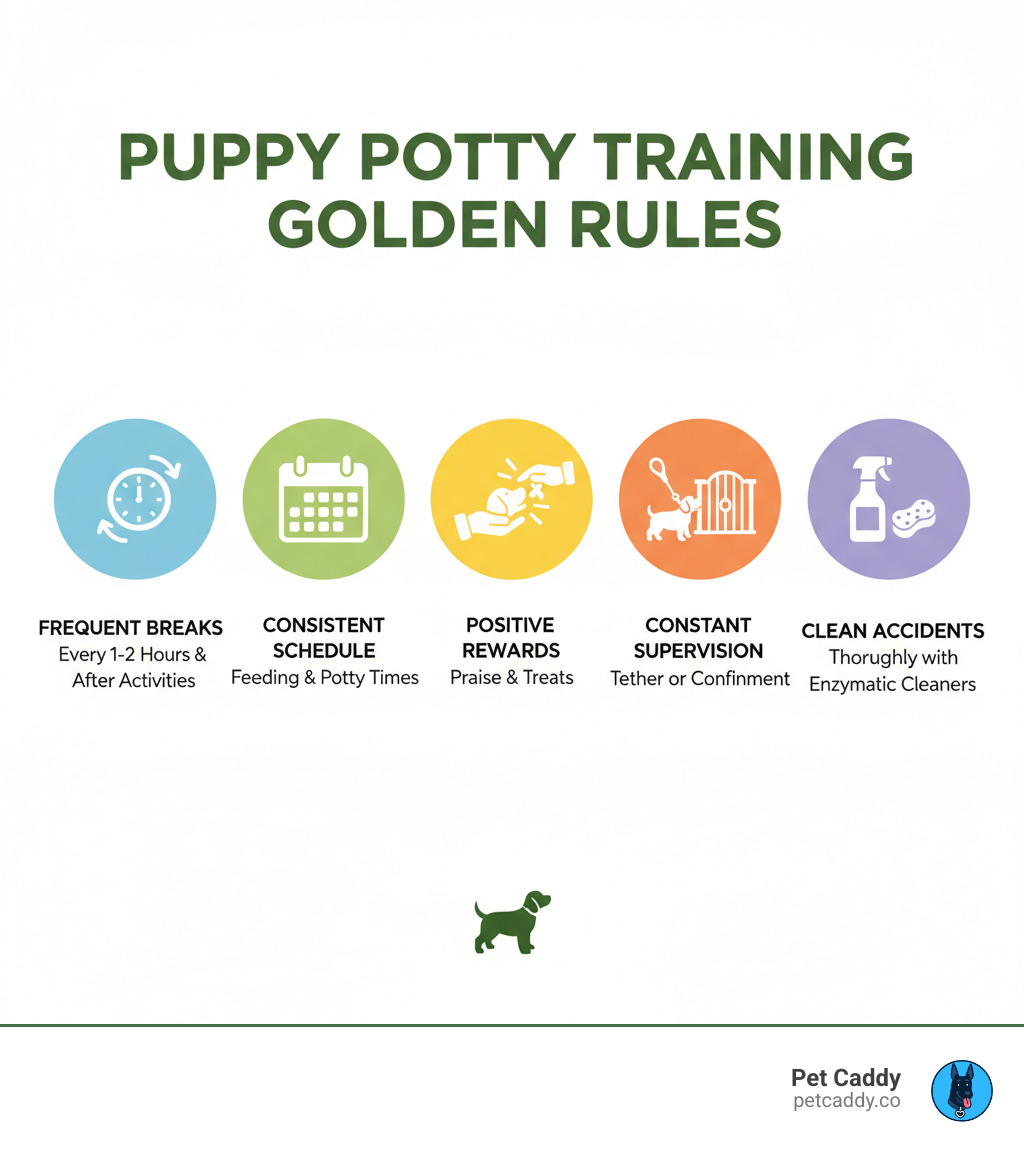
- Take your puppy out every 1-2 hours – especially after waking, eating, drinking, and playing
- Stick to a consistent schedule for feeding and potty breaks
- Use positive reinforcement – praise and treats immediately after successful potty breaks
- Supervise closely indoors using tethering or baby gates
- Clean accidents thoroughly with enzymatic cleaners to prevent repeat offenses
- Be patient – most puppies take 4-6 months to fully housetrain
Bringing home a fluffy, tail-wagging bundle of joy is one of life’s sweetest moments, but it comes with challenges—and potty training is at the top of the list. It’s perfectly normal that your 9-week-old pup doesn’t understand your rug isn’t a bathroom.
The good news is you can set your pup up for success from day one. Potty training isn’t about perfection; it’s about building a foundation with patience, consistency, and positive reinforcement. With a solid routine, you’ll be celebrating outdoor successes in no time.
Your puppy’s bladder is still developing, meaning a 9-week-old can only hold it for about 2-3 hours. This calls for frequent trips outside, close supervision, and a lot of understanding when accidents happen (and they will).
The key is a predictable routine: consistent feeding times, regular potty breaks, and a designated spot. When you pair this with enthusiastic praise, you’re not just building good habits—you’re building a lifelong bond of trust.
The Ultimate Guide to Puppy Potty Training
Setting Up a Winning Routine: Schedules & Supervision
The cornerstone of successful puppy potty training is a routine your pup can count on. A 9-week-old’s bladder is tiny—they can hold it for about one hour per month of age, meaning two hours is the max. To set them up for success and keep floors clean, take them outside every 1-2 hours. It’s a commitment, but it’s worth it.
Key moments for potty breaks are crucial. Take your pup out right after waking up from any nap, about 15-20 minutes after eating or drinking, and after playtime. Always take them out before bedtime and first thing in the morning.
A consistent feeding schedule is your secret weapon. Feeding your puppy at the same times each day—most 9-week-olds do well with three small meals—makes their potty schedule predictable. You’ll start to anticipate their needs instead of just cleaning up accidents.
Supervision is everything in these early weeks. If your puppy is roaming, they need your eyes on them. A great trick is tethering your pup to you with a leash while you’re busy. This keeps them close, so you can spot pre-potty signals (sniffing, circling) and prevent accidents.
When you can’t supervise directly, baby gates are your best friends. Use them to keep your puppy in a safe, puppy-proofed area where you can still check on them. This constant supervision prevents accidents and helps your pup learn the rules faster. For more helpful information, check out this scientific research on puppy development.

The Great Outdoors: Making Potty Breaks a Success
Make every potty break count. Choose a designated potty spot and take your puppy to the same place every time to help them understand its purpose.
Keep your pup on a leash, even in your own yard. This isn’t about control—it’s about focus. A leash gently reminds them they’re here for business first, play later.
As your puppy sniffs around, introduce a simple “go potty” cue in a calm, encouraging voice. Over time, they’ll connect the words with the action, which is a game-changer.
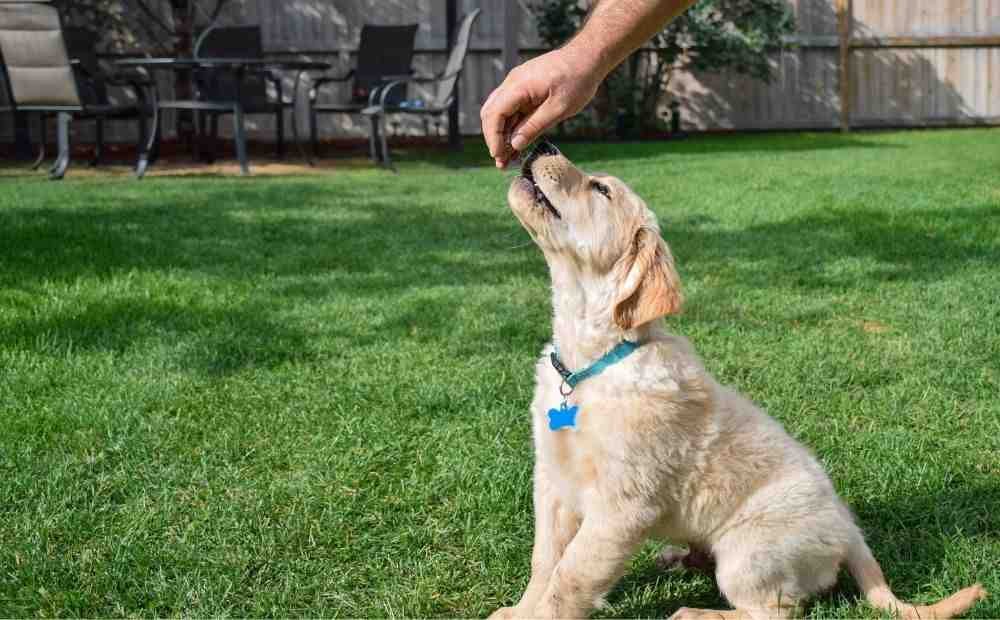
The moment they finish, shower them with immediate praise and a high-value treat. This isn’t the time for regular kibble; use something special that makes their tail wag. Timing is everything—reward them right there in the potty spot, not after you get back inside.
If nothing happens after five minutes, don’t worry. Bring them back inside to their crate or a calm boutique space for 10-15 minutes, then try again. This teaches them that outside is for business first, then play.
Managing the Indoors: Crates and Calm Boutique Spaces
Dogs are den animals, which makes crate training an effective puppy potty training tool. The crate should be your puppy’s safe space—a personal retreat for them to relax, not a punishment. When used correctly, they’ll want to be there.
The secret is getting the size right. The crate should be just big enough for your puppy to stand up, turn around, and lie down. Any bigger, and they might use one corner as a bathroom. Many crates come with partitions that adjust as your puppy grows.
Use the crate for naps and unsupervised time. Your puppy’s instinct to keep their den clean helps them build bladder control and learn to signal when they need to go out.
One important rule: never use the crate for punishment. This will backfire and make your puppy fear their safe space. Make it inviting with a soft blanket and a safe chew toy.
When your pup is out of the crate but you can’t give them full attention, use a puppy-proofed room or a calm boutique space. This is a middle ground between full freedom and crate time, giving them room to move while limiting accident opportunities.
Oops! Handling Accidents with Grace (and the Right Cleaner)
Accidents are a normal part of puppy potty training. Your pup isn’t misbehaving; they’re just learning. The most important thing is to stay calm. Getting upset will only confuse and frighten them, potentially leading to hiding accidents or fear.
If you catch them in the act, interrupt gently with a quick clap or “uh-oh,” then calmly rush them outside to their potty spot. If they finish outside, celebrate with praise and treats!
Never scold after the fact or rub their nose in it. Puppies can’t connect punishment to a past action. This only teaches them that you’re unpredictable, which damages the trust you’re building.
Cleaning thoroughly is crucial. Dogs have incredible noses, and any lingering scent is an invitation to go there again. This is where pet-safe enzymatic cleaners are your best friend. They don’t just mask odors—they break down the molecules, completely eliminating the scent.
One more tip: avoid ammonia-based cleaners. To a dog, ammonia smells like urine, which can encourage them to mark the spot again. Stick with enzymatic cleaners made for pet accidents.
Troubleshooting and Next Steps on Your Potty Training Journey
Common Puppy Potty Training Setbacks
Bumps in the road are normal during puppy potty training. A common one is potty training regression, where a seemingly trained pup starts having accidents again. This is often linked to changes in routine, like a new schedule or visitors. The solution is to go back to basics: return to a strict schedule and close supervision, and your pup should get back on track quickly.
If your puppy is soiling the crate, first check the crate’s size. It should only be large enough to stand, turn around, and lie down. Also, consider how long they’re left in there. A 9-week-old pup can’t hold it for more than a couple of hours during the day.
Excitement urination (from over-stimulation) and submissive urination (from intimidation) are also common. These are emotional responses, not training failures. For excitement, keep greetings calm. For submissiveness, use a gentle approach. The good news is most puppies outgrow these behaviors with age and positive interactions.
If accidents persist despite your best efforts, it’s time to see a vet. House soiling can sometimes be a sign of a medical problem like a urinary tract infection (UTI). A quick check-up can rule out physical issues and give you peace of mind.
What about puppy pads? They can be useful for apartment dwellers or very young pups, teaching them to go in a specific spot. The downside is you’re teaching them it’s okay to go indoors, which can confuse the transition to outside-only. They might also start preferring any soft surface, like your rug. If you use them, place them near the exit door and gradually move them outside as bladder control improves.
When to Call in the Pros for Puppy Potty Training
Puppy potty training can feel overwhelming, and there’s no shame in asking for help. If you’re facing persistent issues or just want to ensure your pup gets the best start, a professional trainer can make all the difference.
That’s where professional trainers come in. They can offer custom guidance and help you implement strategies that work for your puppy and family. Here at Pet Caddy, we’re proud to offer hands-on care and dog training services in the Austin area, including Austin, Spicewood, Horseshoe Bay, Marble Falls, Steiner Ranch, Hudson Ranch, Lakeway, Barton Creek, and Barton Creek Lakeside.
Our “Like Home” experience extends to our training. Our team uses positive reinforcement on our spacious, five-acre ranch—a true Ranch Adventure for your pup! We focus on small groups, big care for personalized attention. Our pricing is transparent: hands-on human interaction and play in wide open spaces are always included. We don’t keep dogs in kennels all day; we focus on custom play where your pup can thrive.
By investing in professional guidance, you’re not just solving a temporary potty problem. You’re building a strong foundation for life with a well-behaved, happy dog. It’s peace of mind for you and a fantastic start for your furry family member.
To learn more about how our expert team can help with your puppy’s training needs, including puppy potty training, visit our dog training services page. We’re always here to lend a hand and help your pup thrive!