Puppy Training Basics: What Every New Dog Parent Should Know First
Puppy training basics come down to a handful of core ideas that make a big difference fast. Here’s a quick-start overview before we dig into the details:
The core building blocks, in order:
- Start early – Training can begin the day your puppy comes home, usually around 8 weeks old
- Keep sessions short – 5 to 10 minutes per session, always ending on a win
- Use positive reinforcement – Reward the behavior you want with treats, praise, or play
- Teach the Big Five commands – Sit, down, stay, come, and loose-leash walking
- Build life skills alongside obedience – Potty training, crate comfort, and handling go hand in hand with commands
- Manage the environment – Keep your puppy’s world small at first, then expand as they earn trust
- Stay consistent – Every family member uses the same cues and rules
Bringing home a new puppy is one of the best things in the world. It’s also a little chaotic.
Between the midnight whining, the chewed-up shoe you loved, and the potty accident on the rug you definitely didn’t love, it’s easy to feel like you’re already behind. You’re not.
The truth is, puppies are wired to learn. They’re watching you, reading your body language, and picking up patterns from day one. That means the first few weeks at home are actually a golden window – not something to stress about, but something to lean into.
A puppy who learns early that good behavior earns good things becomes a dog who’s a genuine joy to live with. And the bond you build during training? That lasts a lifetime.
This guide walks you through everything – from the very first “sit” to loose-leash walking, crate comfort, and handling the land-shark phase (yes, the biting phase has a nickname, and yes, it’s very appropriate). Whether you’re starting fresh at 8 weeks or catching up with an older pup, you’re in the right place.
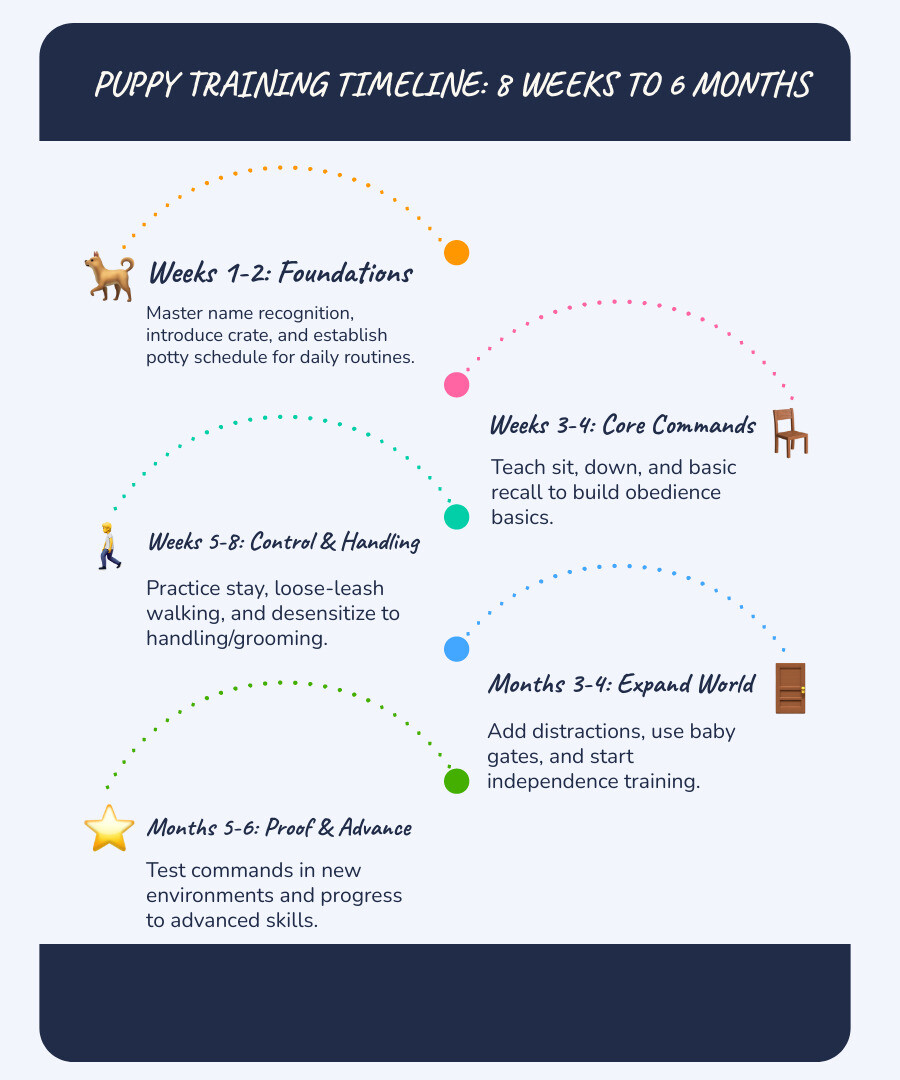
Simple guide to Puppy training basics terms:
Getting Started with Puppy Training Basics
When you first bring that bundle of fur home to Austin or Lakeway, it’s tempting to just let them be a baby for a while. However, puppies are like little sponges. Research shows that a youngster learns much faster than an older dog, so starting puppy training basics the moment they waddle through your front door is the best way to set them up for a lifetime of tail wags.
Most puppies are ready for simple concepts at 8 weeks old. At this age, their attention spans are shorter than a Texas summer rain shower, so we keep things light. Aim for sessions that last only 5 to 10 minutes. If you go longer, you’ll likely see them get frustrated or “zoomie,” which means they’ve hit their mental limit.
Patience is your best friend here. If your pup isn’t getting a command, don’t label them stubborn. Instead, ask yourself if you need to slow down or if the “paycheck” (the treat) needs to be a bit bigger for the task at hand. For a deeper dive into the philosophy of learning, check out our Dog Training Complete Guide.
Why Rewards Work for Puppy Training Basics
We believe in reward-based training because it builds a partnership based on trust rather than fear. When your puppy does something you like, and you immediately follow it with something they love—like a piece of freeze-dried liver—they are much more likely to repeat that behavior.
High-value treats are the “big bucks” of the dog world. While kibble works for easy stuff at home, you might need tiny bits of chicken or steak when there are distractions nearby. Using a marker word like a happy “Yes!” the exact second their bottom hits the floor tells them exactly what they’re being paid for. This clear communication is the fastest way to keep them motivated and eager to work.
Setting Up Your Home for Success
Before you start teaching fancy tricks, you need to manage their environment. We often recommend “keeping their world small.” This means using baby gates or exercise pens to limit where they can go. If they have full run of a big house in Spicewood, they’re going to find plenty of things to chew or places to have accidents.
Supervised play and hands-on care are vital. By keeping them close, you can catch good behaviors to reward and interrupt the “naughty” ones before they become habits. This proactive management is a huge part of Dog Training for Puppies, ensuring they only have the chance to practice the behaviors you actually want to see.
The Heart of the Matter: Positive Reinforcement
Positive reinforcement isn’t just about handing out snacks; it’s about shifting how your puppy views the world. Instead of waiting for them to do something wrong so you can say “No,” you’re actively looking for things they’re doing right. Did they happen to sit while waiting for their bowl? “Yes!” and a treat. Did they choose to chew their toy instead of the rug? “Yes!” and praise.
Timing is everything. Dogs live in the present, so if you reward them three seconds too late, they might think they’re being rewarded for the sneeze they just did rather than the “sit” you asked for. Consistency is the other half of the puzzle. If Dad allows jumping but Mom says “off,” the puppy ends up confused and stressed. For more on building these habits, read about Puppy Basic Obedience Training.
Building Confidence with Puppy Training Basics
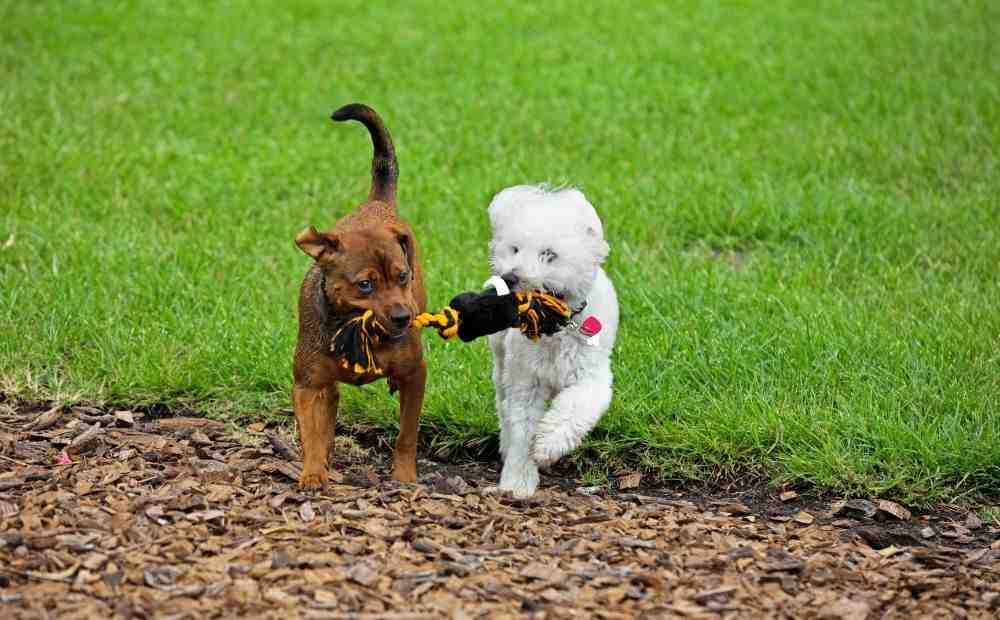
Training should feel like a game. Using praise and play—like a quick game with a tug toy—keeps their energy high and their tail wagging. This positive environment builds a confident dog who isn’t afraid to try new things.
We also focus on independence training. Puppies are social “pack” animals, but they need to learn how to be okay when you aren’t in the room. Rewarding them for choosing to relax on their bed while you’re across the room helps prevent separation-related stress later on.
Choosing Your Training Tools
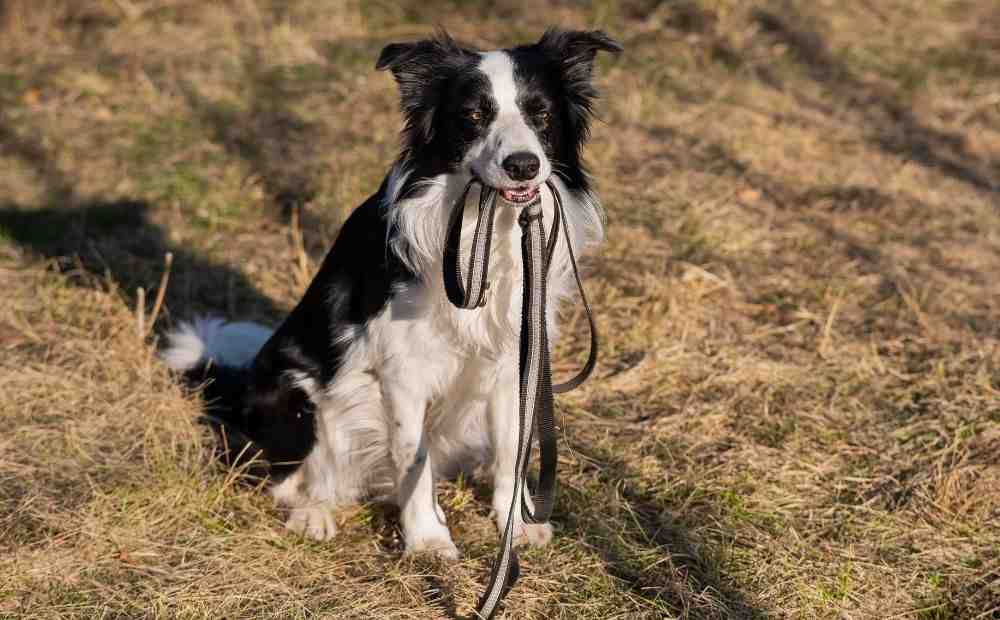
You don’t need a lot of fancy gear, but a few basics help. A long leash is great for practicing “come” safely outdoors. Many owners find clickers helpful for pinpointing the exact moment a dog does the right thing, though a verbal “Yes!” works just as well.
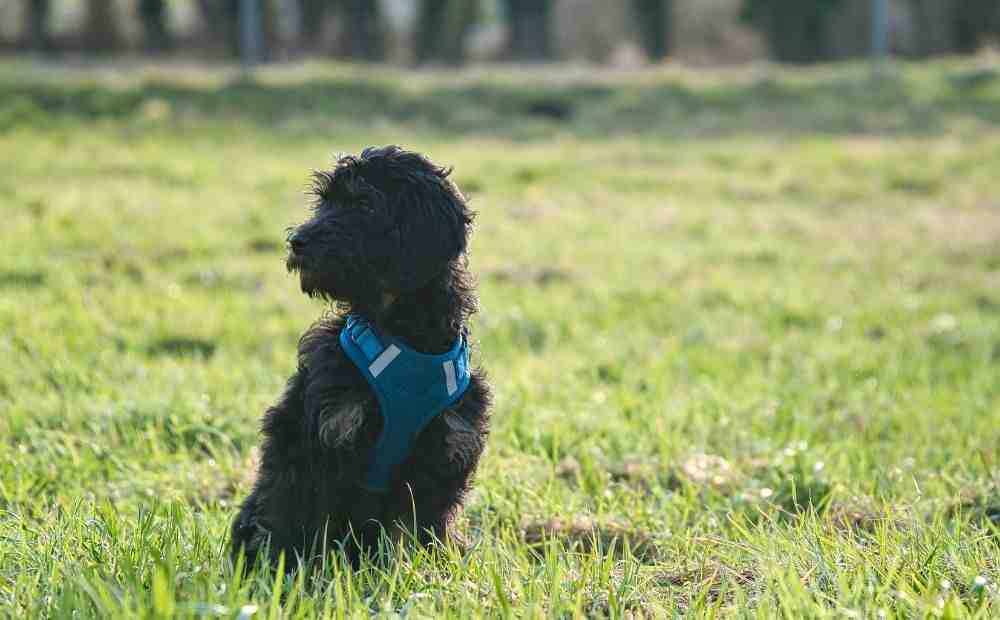
A comfortable harness is usually better for young pups than a collar to avoid neck strain while they learn not to pull. And don’t forget the power of the treat. You can even use their daily mealtime as a training session, having them work for their kibble to keep their brains sharp.
Master the Big Five Commands
These are the foundation of a well-behaved ranch dog. Master these, and you can take your pup almost anywhere in Horseshoe Bay or Bee Cave with confidence.
Teaching Sit and Down
Sit: This is the easiest to “lure.” Hold a treat at their nose and slowly move it back over their head. As their nose goes up, their bottom usually goes down. The moment it hits the floor, say “Yes!” and give the treat.
Down: Start with your puppy in a sit. Hold a treat to their nose and move it straight down to the floor between their paws, then slightly out in an “L” shape. You want to see those elbows touch the ground.
Pro Tip: Never force or push your puppy into these positions. We want them to choose the movement themselves so they actually learn the muscle memory.
Recall and Leash Manners
Come (Recall): This is the most important safety command. Start indoors with no distractions. Say their name and “Come” in the happiest voice you’ve got. When they reach you, give them a jackpot of treats or a tug toy. Never call them to you for something they dislike (like a bath), or they’ll learn that “come” equals an end to the fun.
Loose-Leash Walking: Puppies naturally want to explore, which leads to pulling. Use a long leash initially in a safe area. Reward them for being by your side. If the leash goes tight, simply stop. Wait for them to look back or move toward you to create slack, then reward and keep moving. Managing distractions is key here; if a squirrel runs by, you might need to head in the opposite direction to get their focus back. This is a core part of Austin Doggy Daycare, teaching them to focus on you even when the world is exciting.
Life Skills: Potty Training and Crate Comfort
Obedience is great, but life skills are what make a puppy easy to live with. While commands are about what the dog does, life skills are about how the dog lives.
| Life Skills | Obedience Commands |
|---|---|
| Potty training (where to go) | Sit / Stay |
| Crate comfort (relaxing alone) | Down / Come |
| Handling (ears, paws, teeth) | Heel / Loose-leash walking |
| Independence (preventing anxiety) | Leave it / Drop it |
Potty training requires a strict schedule. Take them out after every nap, meal, and play session. When they go outside, throw a “potty party” with lots of rewards. If an accident happens inside, don’t scold. Just clean it up and realize you likely missed their signal. For more help, see our guide on Potty Training Puppy.
Crate Training Techniques
A crate taps into a dog’s natural den instinct. It shouldn’t be a place for punishment; it should be their private bedroom. Start by feeding meals in the crate with the door open. You can use snuggle toys that simulate a littermate’s heartbeat to help them feel secure.
Use the crate for regulated naps. Just like toddlers, puppies get cranky and bitey when they’re overtired. A quiet hour in the crate helps them self-soothe and recharge.
Handling and Grooming
You want your puppy to be the star patient at the vet. Spend time every day gently touching their paws, looking in their ears, and checking their teeth. Pair these touches with treats so they associate being handled with good things. Introduce a brush slowly, letting them sniff it first before doing one or two gentle strokes. This early work is another vital piece of Austin Doggy Daycare.
Handling the “Land Shark” Phase and Other Hurdles
Puppies explore the world with their mouths. While those tiny teeth are sharp, biting is usually a sign of play or teething, not aggression.
Redirection and Management
When your puppy nips your hands, immediately redirect them to a toy. If they keep coming for your ankles, stop moving. Moving feet look like prey! If they won’t stop, quietly walk away or step behind a baby gate for 30 seconds. This “reverse timeout” teaches them that biting makes the fun human disappear.
Texture matching is a great trick. If they are chewing wood furniture, give them a wooden chew toy. If they like the soft rug, give them a plush toy. Providing a variety of textures helps satisfy that teething urge. You can find more tips on this in Dog Training for Puppies.
Avoiding Common Mistakes
- Punishment: Yelling or hitting only teaches your puppy to be afraid of you. It doesn’t teach them what to do.
- Repeating Cues: If you say “Sit, sit, sit,” your puppy learns that they don’t have to listen until the third time. Say it once, wait, and if they don’t do it, go back to a simpler step.
- Over-training: Keep it fun! If you’re tired or frustrated, your puppy will pick up on it. End the session and try again later.
- Inconsistent Rules: If the pup isn’t allowed on the sofa in Barton Creek, they shouldn’t be allowed on it at the lake house either.
Frequently Asked Questions about Puppy Training
At what age should I start training my puppy?
Immediately! While formal classes usually require certain vaccinations (often around 10-12 weeks), you can and should start reward-based training at home the day you get them, typically at 8 weeks.
How long should puppy training sessions last?
Keep them short and sweet—about 5 to 10 minutes. Doing three or four mini-sessions throughout the day is much more effective than one long, exhausting session.
What are high-value treats for puppies?
Think “smelly and soft.” Small pieces of plain boiled chicken, turkey, string cheese, or commercial freeze-dried liver are usually big hits. The goal is something they can swallow quickly so you can get back to training.
Conclusion
Mastering puppy training basics is the first step in a wonderful journey with your new best friend. Whether you are navigating the streets of Steiner Ranch or enjoying the wide-open spaces in Marble Falls, a well-trained pup makes every adventure better.
At Pet Caddy, we know that every puppy is an individual. That’s why our “home away from home” in Austin offers small groups and big care. Our ranch adventure provides five acres of room to roam, ensuring your pup gets the supervised, tailored play they need to grow into a confident adult. If you’re looking for a little extra help, our board & train programs offer hands-on human interaction in a stress-free environment—with transparent pricing and no hidden fees.
Ready to give your pup the ultimate training head start? Schedule your pup’s stay with us today and let the ranch adventure begin!