When Your Best Friend Gets a Diabetes Diagnosis
Diabetic dog care is a lifelong commitment built on three main pillars: consistent insulin therapy, a carefully managed diet, and regular monitoring. While a diabetes diagnosis can feel overwhelming at first, thousands of dog owners successfully manage this condition every day, and with the right routine, your pup can live a long, happy, and active life.
Quick Answer: The Essentials of Diabetic Dog Care
- Insulin injections – Typically given twice daily, 12 hours apart
- Consistent meal timing – Feed at the same times each day, coordinated with insulin
- Portion control – Measure food carefully to maintain stable blood sugar
- Regular monitoring – Track glucose levels, appetite, water intake, and energy
- Veterinary partnership – Schedule check-ups every 3-6 months for well-regulated dogs
- Exercise routine – Maintain steady, moderate activity levels
- Emergency preparedness – Know the signs of low blood sugar and when to act
Learning your dog has diabetes can feel like a punch to your gut. Up to 1% of all dogs may develop diabetes during their lifetime, most commonly between ages 7 and 10. Female dogs are diagnosed twice as often as males. The good news? This is a highly manageable condition when you understand the basics and build a solid routine.
The first few weeks will involve some trial and error as you and your veterinarian work together to find the right insulin dosage and feeding schedule for your individual dog. You’ll learn to give injections (easier than you think), measure portions precisely, and spot the warning signs that something needs adjusting. It takes patience and dedication, but the reward is seeing your pup regain their energy and zest for life.
With proper treatment, most diabetic dogs can enjoy a quality of life similar to their non-diabetic friends. The key is consistency in medication, feeding times, and monitoring. This guide will walk you through everything you need to know, from recognizing early symptoms to managing daily care routines to handling potential emergencies.
Diabetic dog care terms you need:
Spotting the Signs & Getting a Diagnosis
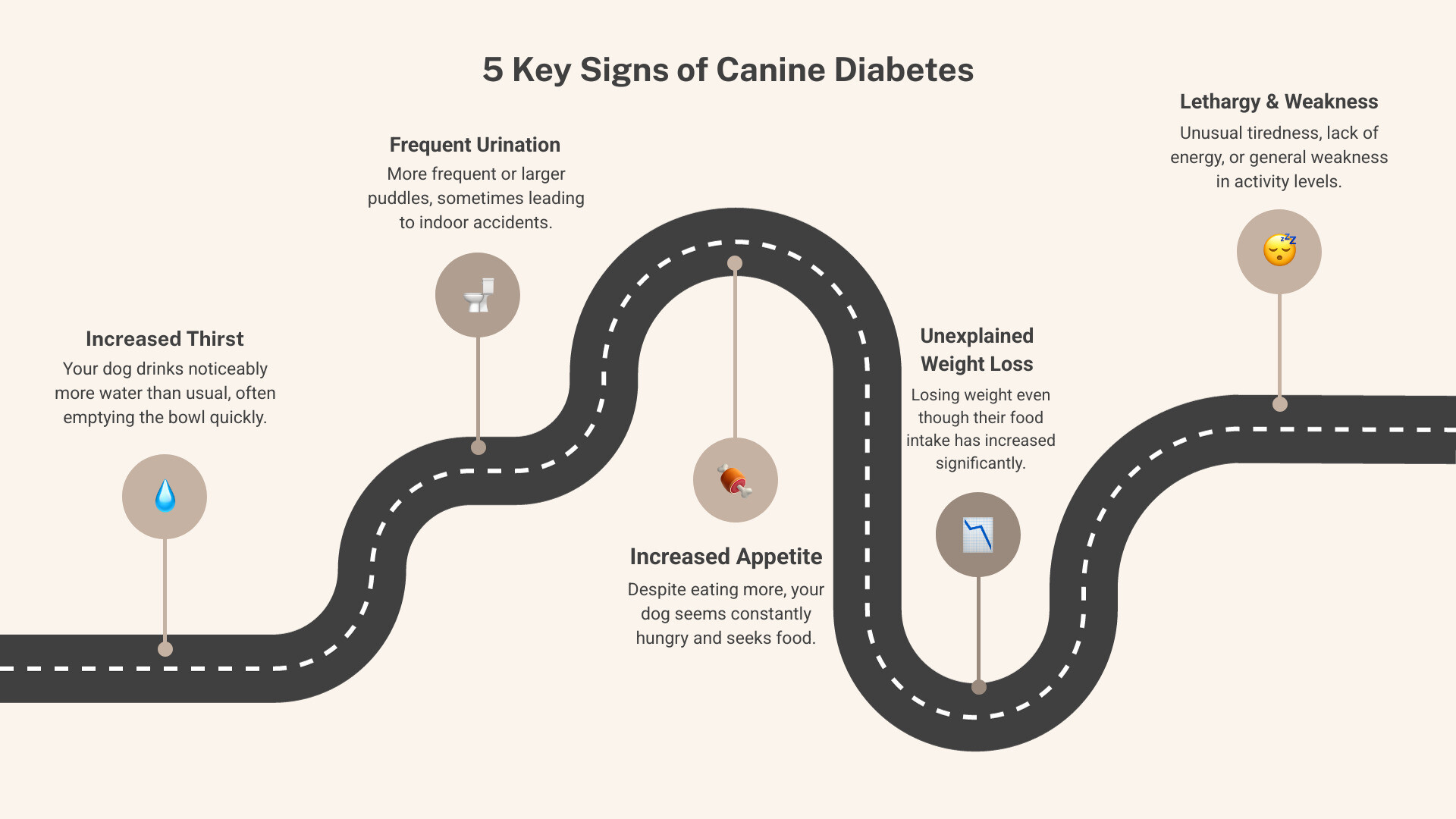
Our furry friends can’t tell us when something feels off, so it’s up to us, their loving pet parents, to notice subtle changes. The primary signs of diabetes in dogs often revolve around how their bodies process sugar, leading to a few key indicators.
We often see an increased thirst (your pup might be draining their water bowl faster than usual) and, naturally, increased urination. This goes hand-in-hand; what goes in must come out! You might notice more frequent potty breaks, or even accidents indoors. Despite eating more, many diabetic dogs experience unexplained weight loss. This is because their bodies can’t properly use the glucose from their food for energy, so they start breaking down fat and muscle instead. Other common signs include increased appetite (they’re always hungry!), lethargy (a tired, less playful demeanor), and sometimes even cloudy eyes, which can indicate cataracts developing. Watch for recurring infections, particularly urinary tract infections, as high sugar levels can create a breeding ground for bacteria.
If you notice any of these signs, it’s time for a visit to your veterinarian in Austin, Lakeway, or any of our local communities. They will typically diagnose diabetes through a combination of clinical signs and laboratory tests. This usually involves blood tests to check for persistently high blood glucose levels (hyperglycemia) and urine tests to see if glucose is spilling into the urine (glucosuria). Sometimes, a fructosamine test is also performed. This test gives an average of your dog’s blood glucose levels over the past two weeks, helping vets differentiate between stress-induced high blood sugar (which can happen during a vet visit!) and true diabetes.
Certain factors can increase a dog’s risk of developing diabetes. Most diabetic dogs are between 4 and 14 years old, with the average diagnosis around 7 to 10 years old. Interestingly, diabetes occurs in female dogs twice as often as male dogs. Obesity is a significant risk factor, as it can lead to insulin resistance. A history of pancreatitis (inflammation of the pancreas) can also damage the insulin-producing cells and increase the risk.
We also know that some breeds are simply more predisposed to this condition. If your beloved companion is one of these, it’s extra important to be vigilant:
- Samoyeds
- Miniature Schnauzers
- Poodles (especially Miniature and Toy Poodles)
- Beagles
- Golden Retrievers
- German Shepherds
- Cocker Spaniels
- Tibetan Terriers
- Cairn Terriers
- West Highland White Terriers
The Cornerstones of Diabetic Dog Care: Insulin and Diet
A diabetes diagnosis means we’re starting on a new journey with our pups, one that thrives on routine and precision. This section is all about building a solid, predictable routine that helps your dog feel their best. Consistency is the name of the game, and with a little practice, you’ll be an old pro at managing your pup’s health.
Insulin Therapy: Your Dog’s New Best Friend
For most dogs with diabetes, insulin therapy is a lifelong necessity. This is because canine diabetes is typically Type 1, meaning their bodies don’t produce enough insulin or any at all. Insulin is the hormone that helps move glucose from the bloodstream into the cells, where it’s used for energy. Without it, glucose builds up in the blood, leading to all those unpleasant symptoms we discussed.
Your veterinarian will determine the initial insulin dose based on your dog’s weight and condition. You’ll likely be giving twice-daily injections, usually 12 hours apart. Don’t worry, it sounds scarier than it is! Your vet will show you how to administer the shots under the skin, often in the scruff of the neck or along the flank. We recommend rotating injection sites to prevent scar tissue buildup, which can affect insulin absorption. It’s also crucial to use the right syringe—insulin comes in different concentrations, and using the wrong syringe can lead to incorrect dosing. Always store insulin carefully, away from extreme temperatures.
The first few weeks involve a bit of a dance with dosage. Your vet will guide you through this process, often using glucose curves (more on that later) to fine-tune the amount. It takes patience with adjustments, but finding that “sweet spot” for your dog’s insulin dose is incredibly rewarding. Many vets recommend porcine-based insulins like Vetsulin for dogs because canine and pork insulin molecules are very similar.
The Power of the Dinner Bowl: Diet, Timing, and Portions
Just as important as insulin is what your dog eats and when. Consistent meal timing is absolutely crucial for diabetic dogs. Insulin works best when it has a predictable amount of food to act on. We aim for feeding 12 hours apart, ideally just before or at the same time as their insulin injection. This helps stabilize blood sugar and ensures the insulin works efficiently. Free-feeding (leaving food out all day) is a no-go for diabetic pups, as it makes blood sugar regulation nearly impossible.
Portion control is another non-negotiable aspect of diabetic dog care. Your vet will recommend a specific daily calorie intake and portion size for your dog. Using a digital kitchen scale or a standardized measuring cup is far more accurate than eyeballing it, ensuring your dog gets the exact same amount of food every time.
What happens if we get it wrong?
- Overfeeding risks: Can lead to weight gain, which worsens insulin resistance, and makes blood sugar harder to control. It also increases the risk of complications.
- Underfeeding risks: Can cause hypoglycemia (dangerously low blood sugar), weakness, shakiness, and even life-threatening emergencies. Both extremes are dangerous.
When it comes to the food itself, we typically look for diets that are high in fiber, have moderate protein, and are low in fat. Fiber helps slow down glucose absorption, preventing sharp spikes in blood sugar. Complex carbohydrates (like barley or sweet potato) are better than simple ones. Lean proteins such as chicken or turkey are excellent choices.
What should we avoid? Sugary treats and table scraps are definite no-nos. These can cause unpredictable and dangerous spikes in blood sugar. Even seemingly harmless snacks can throw off your dog’s delicate balance. If you’re looking for specific options, many veterinarians recommend prescription diets like Royal Canin or Hill’s Prescription Diet, which are formulated with the right balance of nutrients for diabetic dogs. Blue Buffalo also offers weight control varieties that might be suitable. Always consult your vet before making any dietary changes.
Daily Routines & Monitoring for a Happy Pup
A steady daily rhythm helps keep your dog’s blood sugar stable and their tail wagging. This is where your hands-on care truly shines, becoming a familiar and reassuring part of your daily life together.
At-Home Monitoring for Effective Diabetic Dog Care
You, the dedicated pet parent, are the most important monitor for your diabetic dog! Your observations at home are invaluable to your vet in Austin, Spicewood, or wherever you call home. We encourage you to keep a daily log of several key indicators. This includes:
- Tracking appetite: Is your dog eating all their food eagerly?
- Tracking water intake: Are they drinking more or less than usual?
- Tracking energy levels: Are they playful and active, or lethargic?
- Urination frequency: Any changes in how often they need to go out?
Beyond these observations, your vet might recommend home blood glucose monitoring. This can be done using a glucometer (a small device that reads blood sugar from a tiny blood sample, often taken from the ear flap or lip). It’s a simple process, and many pet parents become quite adept at it. For our more anxious pups, or for a more comprehensive picture, continuous glucose monitors (CGMs) like the FreeStyle Libre can be inserted under the skin and provide glucose readings for up to 14 days. This means less stress for your dog and more data for you and your vet! Another option is using urine test strips to check for glucose and ketones in the urine, though this provides less immediate and precise information than blood tests.
Exercise and Your Diabetic Dog
Exercise is wonderful for our pups, and it plays a vital role in diabetic dog care by helping to lower blood sugar levels. However, it needs to be consistent and moderate. Think of it like another dose of medicine – predictability is key!
We recommend consistent exercise routines. Daily walks of similar duration and intensity are ideal. Sudden, intense bursts of activity can cause blood sugar to drop too quickly, leading to hypoglycemia. If you’re planning an unusually active day, like a longer hike in Barton Creek or a fun romp at a dog park in Lakeway, always consult your veterinarian beforehand. They might suggest a small snack or a temporary insulin adjustment.
Pay close attention to your dog during exercise. As Dr. Carol Osborne, an integrative veterinarian, advises, “If the dog is not walking in front of you, it’s time to come home, as this a sign that…” they might be experiencing exhaustion or discomfort. Watch for signs of exhaustion like excessive panting, lagging behind, or reluctance to continue. Our goal is to keep them active and happy, not overexerted. For overweight diabetic dogs, gentle, consistent exercise paired with diet is crucial for weight loss, which can significantly improve insulin sensitivity.
Partnering with Your Veterinarian
Think of your veterinarian as your co-pilot on this journey. A strong, communicative partnership is essential for successful diabetic dog care.
Regular check-ups are a must. For well-regulated diabetic dogs, vets typically recommend visits 2-4 times a year for physical examinations and possibly laboratory testing. During these visits, your vet will assess your dog’s overall health, review your home monitoring logs, and perform blood tests, including potentially a blood glucose curve. This involves taking multiple blood samples over several hours to see how your dog’s blood sugar responds to insulin and food throughout the day. This information is critical for adjusting insulin dosage to keep their levels stable.
Open communication is key. Don’t hesitate to call your vet if you notice any changes in your dog’s appetite, energy, thirst, or urination, or if you have concerns about administering insulin. They are there to support you every step of the way.
Navigating Potential Bumps in the Road
Even with the best care, you might encounter a few challenges. Knowing what to look for and how to respond will give you confidence and keep your dog safe, ensuring we can handle any curveballs with grace and calm.
Understanding and Managing Diabetic Dog Care Emergencies
While we strive for stable blood sugar, sometimes levels can swing too low or too high. Knowing the signs and how to react is vital.
Hypoglycemia (Low Blood Sugar): This is the most immediate and dangerous complication of insulin therapy. It usually happens if your dog receives too much insulin, misses a meal, or exercises too strenuously.
- Low blood sugar signs: Look for weakness, lethargy, unsteadiness, tremors, disorientation, or even seizures. Your dog might seem “drunk” or unusually sleepy.
- What to do: If you suspect hypoglycemia and your dog is conscious and able to swallow, immediately rub a small amount of corn syrup or honey onto their gums. This provides a quick sugar boost. Then, contact your veterinarian right away for further instructions. If your dog is unconscious or seizing, seek emergency veterinary care immediately.
Diabetic Ketoacidosis (DKA): This is a serious, life-threatening condition that occurs when diabetes is uncontrolled or undiagnosed. Without enough insulin, the body starts breaking down fat for energy, producing ketones, which make the blood acidic.
- DKA symptoms: These can include sweet-smelling breath (like nail polish remover), vomiting, diarrhea, reluctance to eat or drink, extreme lethargy, troubled or rapid breathing, and weakness or collapse.
- When to seek emergency care: DKA requires immediate veterinary hospitalization and aggressive treatment. If you notice any of these signs, head to your nearest emergency vet clinic in Austin or the surrounding areas without delay.
Long-Term Outlook and Special Considerations for Diabetic Dog Care
A diabetes diagnosis is a marathon, not a sprint, but with consistent diabetic dog care, your companion can absolutely enjoy a fulfilling life.
The long-term prognosis for dogs diagnosed with diabetes is generally good, especially when owners are committed to the treatment plan. With proper management, including consistent insulin therapy and diet, your dog can live a full and happy life, with a lifespan similar to that of a non-diabetic dog of the same breed. Our goal is always to ensure a good quality of life for your pet, full of tail wags and happy memories.
However, we also need to be realistic about the financial and time commitments involved. The cost to care for a diabetic patient, considering all blood work and therapies, may be upward of $2,500 per year. This includes insulin, syringes, special food, and regular vet visits. The time commitment involves twice-daily injections, consistent feeding, and diligent monitoring. It’s a significant undertaking, but for many of us, our dogs are family, and their well-being is priceless.
One common long-term complication of diabetes in dogs is the development of cataracts, which can lead to blindness. While this can be alarming, many dogs adapt remarkably well to vision loss, especially in a familiar home environment. Surgical options are also available if recommended by a veterinary ophthalmologist.
A very important consideration, especially for female dogs, is the importance of spaying. The female sex hormone progesterone can interfere with the normal action of insulin, making it incredibly difficult to regulate blood sugar levels. Spaying removes the source of this hormone, often making diabetes much easier to manage. If your diabetic female dog is intact, your vet will almost certainly recommend spaying her.
For more detailed information, the AVMA offers a downloadable diabetes brochure that can be a handy reference.
Frequently Asked Questions about Diabetic Dog Care
We know you’ll have questions, and we’re here to help clarify some of the most common ones about diabetic dog care.
How long can a dog live after being diagnosed with diabetes?
With dedicated management, including consistent insulin therapy and diet, a diabetic dog can live a full and happy life, with a lifespan similar to that of a non-diabetic dog of the same breed. Many dogs live for several years comfortably after diagnosis, especially with a committed owner and a great veterinary team.
Can you treat diabetes in dogs without insulin?
Because most dogs have Type 1 diabetes, their bodies cannot produce insulin on their own. This means lifelong insulin injections are necessary to help their bodies use glucose for energy. Unlike some human Type 2 diabetes cases, oral medications are generally not effective for dogs. Insulin is truly their lifeline.
What are the best treats for a diabetic dog?
The best treats are low in sugar and fat. Many dogs love healthy snacks like fresh green beans, carrot sticks, or small pieces of cooked chicken. Treats should never make up more than 10% of your dog’s daily calorie intake, and any treats should be factored into their overall diet plan. Always check with your vet first to ensure any new treat is suitable for your specific dog’s needs.
Your Partner in Care, Every Step of the Way
A diabetes diagnosis is a big change, but it doesn’t change the love you have for your dog. With a steady routine and a great support system, you can give your companion a wonderful life full of tail wags and happy moments. And when you need to be away, you need peace of mind knowing your dog is receiving that same level of hands-on care. At Pet Caddy, we provide a true ‘Like Home’ experience on our Austin ranch, with the expertise to manage special needs like diabetes. Our dedicated team understands the importance of consistent meal timing, medication schedules, and monitoring, ensuring your pup’s routine stays on track even when you’re away. Building a reliable routine is key, and our team is here to support that foundation. Our spacious 5-acre ranch offers plenty of room for supervised, custom play, allowing your dog to enjoy their daily exercise in a safe and stress-free environment. We believe in Hands-On Care for every dog, providing personalized attention without any hidden fees, unlike many traditional Kennels.
Learn more about our tailored care and training support.