Why Dog Training Fundamentals Matter for You and Your Pup
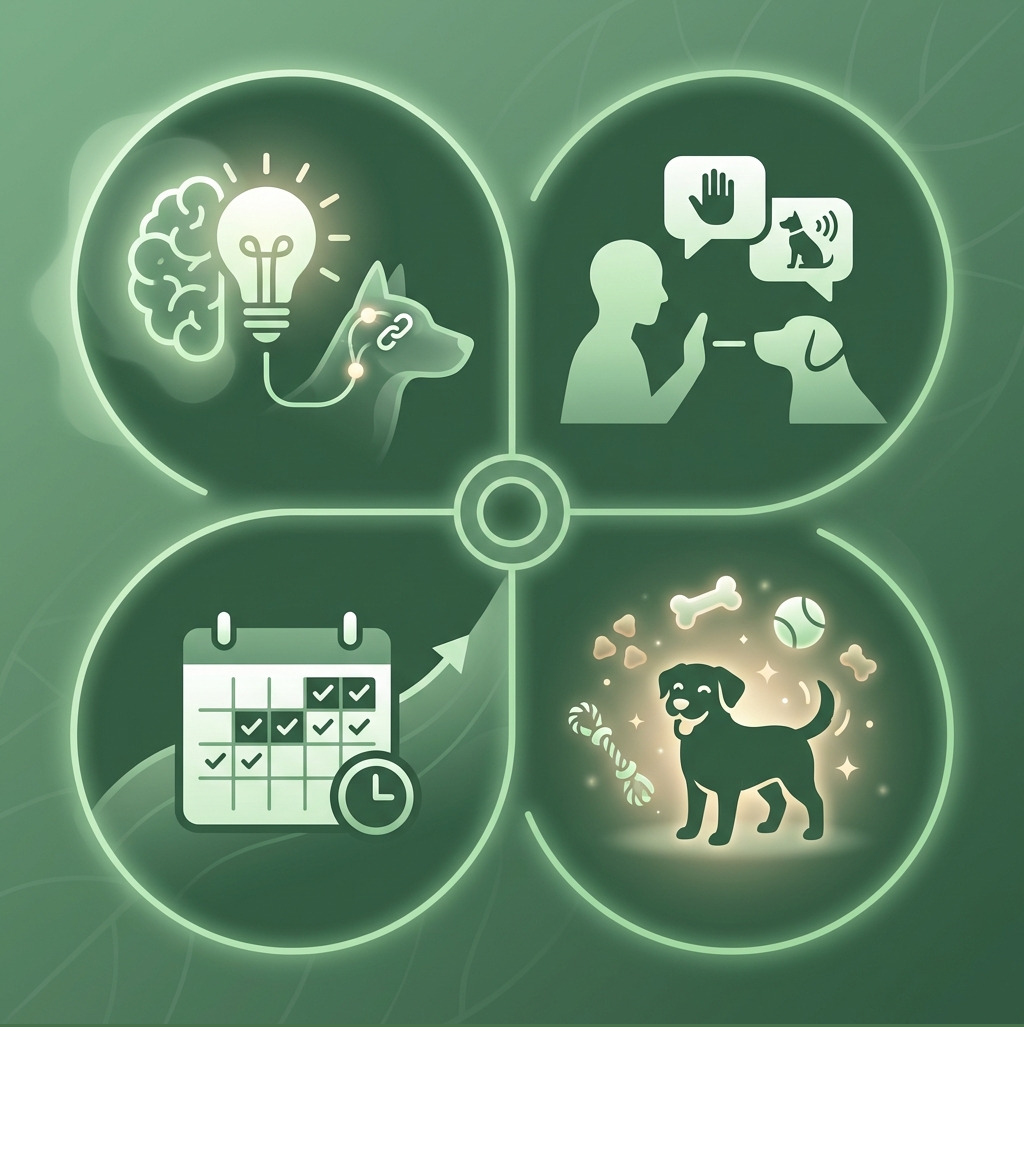
Dog training fundamentals are the building blocks that help your dog understand what you expect and create a strong bond between you both. If you’re just starting out, here’s what you need to know:
Core Dog Training Fundamentals:
- Positive Reinforcement – Reward good behavior with treats, praise, or play
- Basic Commands – Teach sit, stay, come, down, and leave it
- Consistency – Use the same words and rules every time
- Understanding How Dogs Learn – Dogs connect behaviors with consequences through repetition
- Socialization – Expose your dog safely to new people, places, and experiences
Welcome to dog ownership—a wild, wonderful ride of muddy paws and more love than you thought possible. It can also feel overwhelming when your pup doesn’t seem to speak your language.
The good news is that building a strong bond starts with understanding how your dog thinks. They aren’t being stubborn; they’re just waiting for us to teach them in a way they understand.
This guide is your starting point. We’ll cover how dogs learn, the magic of positive reinforcement, and the core commands every dog should know. Whether you have a new puppy or an older dog, these fundamentals will set you up for success. And for those in the Austin area juggling a busy life, know that reliable support exists. Training takes time and patience, but you don’t have to do it alone.
Quick look at Dog training fundamentals:
How Your Dog’s Brain Ticks: The Science of Learning
Ever wonder how your furry friend figures out what you’re asking? It’s not magic; it’s science. Dogs learn through association, connecting their actions to outcomes. Understanding this is a key part of dog training fundamentals because it helps us communicate in a language our pups already get.
Let’s break down the two big ideas in associative learning:
-
Classical Conditioning (Think Pavlov’s Bell): This is about involuntary responses. Remember Pavlov’s experiment where dogs salivated at the sound of a bell because they associated it with food? That’s classical conditioning. Your dog learns to connect an unrelated signal with something meaningful. For instance, the jingle of your keys might get your pup excited for a car ride—it’s an automatic response based on past experiences.
-
Operant Conditioning (Trial-and-Error Learning): This is where the fun of training begins. Operant conditioning is when your dog learns to connect their own behavior with a consequence. If a behavior leads to something good, they’re more likely to repeat it. Consequences shape their behavior.
To get a little more technical (but still keep it friendly!), operant conditioning has four parts:
- Positive Reinforcement: Adding something pleasant to increase a behavior (e.g., giving a treat when your dog sits).
- Positive Punishment: Adding something unpleasant to decrease a behavior (e.g., a harsh verbal correction—though we prefer gentler methods!).
- Negative Reinforcement: Removing something unpleasant to increase a behavior (e.g., releasing leash pressure when your dog walks nicely).
- Negative Punishment: Removing something pleasant to decrease a behavior (e.g., turning your back when your dog jumps on you, removing your attention).
As believers in building trust and joy, we focus on positive reinforcement (adding good things) and negative punishment (removing good things). These methods are effective and also nurture a happy, confident dog and a stronger bond between you. You can dive deeper into the science on the AKC’s site: Positive Reinforcement Dog Training: The Science Behind Operant Conditioning .
Understanding your dog’s psychology—how they see the world and what motivates them—is the foundation of good training. It helps us see things from their perspective, which makes all the difference in guiding them to be happy members of our families.
The Art of the Treat: Mastering Positive Reinforcement
Now that we know how dogs learn, let’s talk about the heart of modern, humane training: positive reinforcement. It’s a philosophy that builds trust and makes learning a joyful experience for you and your dog.
What is Positive Reinforcement?
At its core, positive reinforcement means adding something your dog loves right after they do something you want. This reward makes it more likely your dog will repeat the behavior. It’s about rewarding good choices, not punishing mistakes. This approach is based on science and is highly effective.
Building Trust, One Reward at a Time
When we consistently reward our dogs for doing things right, they learn that interacting with us leads to good things. This creates a positive association with training and strengthens your bond. Instead of fearing correction, your dog looks forward to learning with you. It’s a wonderful way to foster a happy and confident companion.
Finding Your Dog’s Motivation: The Key to Success
Every dog is unique. What one dog considers a prize, another might ignore. This is why identifying your dog’s individual motivations is one of the most important dog training fundamentals. Dogs are opportunistic and seek the best outcome. The stronger their motivation for a reward, the easier it is to teach desired behaviors.
So, how do you figure out your dog’s “jackpot” reward? Experiment!
- High-Value Treats: For many dogs, food is a huge motivator. Think small pieces of cooked chicken, cheese, or soft training treats. These are “high-value” because they’re extra special.
- Toys as Rewards: Some dogs live for fetch or a squeaky toy. A quick toss of a favorite ball can be a fantastic reward.
- Praise and Affection: A cheerful “Good dog!” or a scratch behind the ears can work wonders, especially when paired with other rewards.
Clicker Training Basics
For more precise communication, many trainers use a clicker. The clicker marks the exact moment your dog does the right thing. After the click, always follow with a reward. Over time, the click itself signals that a reward is coming and that they did something right!
Making training fun is key. Short, engaging sessions where your dog is eager to earn rewards will bring the best results. For more guidance on shaping your pup’s behavior, check out our guide on Behavior Training for Dogs: What It Is and How to Get Started.
Your Dog’s Core Curriculum: The Five Must-Know Commands
Think of these commands as your dog’s basic vocabulary, important for safety, good manners, and a harmonious life together. Mastering these five commands is key to successful dog training fundamentals.
Here are the five basic commands every dog should learn:
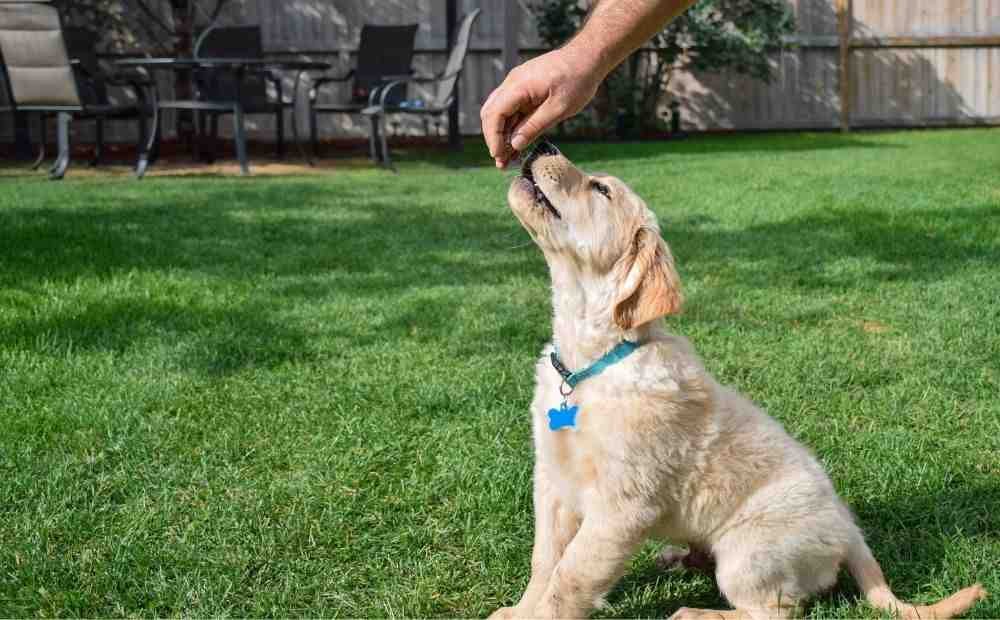
- Sit: This is often the first command taught because it’s a great way to teach impulse control. A sitting dog is less likely to jump or dash out the door. To teach it, hold a treat over your dog’s head, moving it back toward their tail. As their nose follows, their rear will naturally lower. Say “Sit!” as they sit, then praise and reward. You can learn more here: From Stand to Sit: Unlocking Your Dog’s Inner Obedience Star.
- Stay: Once your dog knows “Sit” or “Down,” “Stay” teaches them to hold that position until released. This is vital for safety, like waiting at a curb. Start with short durations and distances, gradually increasing both as your dog succeeds.
- Come (Recall): This is arguably the most important command for your dog’s safety. A reliable “Come” can call your dog back from a dangerous situation. Practice in a quiet, enclosed area first. Use a happy voice and offer high-value rewards. Never scold your dog for coming back slowly; always celebrate their return! We have a guide to help master this: Teach Your Dog to Come.
- Down: The “Down” command is excellent for settling your dog, especially in public. It’s a more calming position than “Sit.” You can lure them into a down by holding a treat at their nose and moving it toward the floor.
- Leave It: This command teaches your dog to ignore tempting (and sometimes dangerous) items. Start by placing a treat on the floor, covering it with your hand, and saying “Leave It.” When your dog looks away, reward them with a different, better treat from your other hand.
Beyond these commands, leash walking basics are important for enjoyable outings. Teaching your dog to walk on a loose leash makes walks a pleasure for both of you.
And let’s not forget crate training. When introduced positively, a crate becomes your dog’s personal den—a safe, cozy space. It’s helpful for housetraining and providing a secure spot when you can’t supervise. Many pet parents in Austin, from Lakeway to Marble Falls, find crate training helpful for their pups.
Short training sessions are always best. A few minutes at a time keeps learning light and fun. Consistency and patience are your best friends. For a more comprehensive look at basic obedience, check out our Dog Obedience Training guide.
Key Components of Successful Dog Training Fundamentals
Building a well-behaved, happy dog is about cultivating a relationship built on trust and clear communication. These are the threads that weave together all dog training fundamentals.
The Power of Consistency
If there’s one golden rule in dog training, it’s consistency. Imagine learning a new language where the rules kept changing! That’s how it feels to your dog if expectations aren’t consistent. Everyone in the household needs to be on the same page, using the same command words and rules every time. This clarity helps your dog learn quickly.
Clear Communication: Speaking “Dog”
Dogs are masters of reading body language and tone of voice. Effective communication involves:
- Your Voice: Use a cheerful tone for praise and a calm, neutral tone for commands. Avoid yelling, which can create fear.
- Your Body Language: Your physical cues speak volumes. Crouching down with open arms invites them to “come,” while standing tall can signal “wait.”
- Understanding Dog Body Language: Learning to “speak dog” makes a huge difference. A tucked tail, flattened ears, or excessive yawning can indicate stress. Recognizing these signals helps you avoid overwhelming your pup.
The Importance of Socialization
Socialization is a huge piece of the puzzle for a well-adjusted dog. It means safely exposing your puppy or adult dog to new people, animals, places, and experiences. For our pups in the Austin area, from Bee Cave to Steiner Ranch, this might mean a visit to a dog-friendly patio or a walk on a busy trail.
Why is this so important? It helps prevent fears and behavioral issues. A dog with positive experiences with new things is more likely to be confident and adaptable.
- Safe Exposure: Keep initial exposures short and sweet, ensuring your dog feels comfortable. Pair new experiences with treats and praise.
- Ongoing Process: Introducing new things isn’t a one-time event. It’s an ongoing process throughout your dog’s life that keeps their skills fresh.
How Environment Impacts Learning
Your dog’s environment plays a massive role in their learning. A calm, predictable, and enriching environment fosters confidence and makes training more effective.
- Minimal Distractions: Start training in a quiet area at home, gradually adding distractions as your dog masters each skill.
- Enrichment: A stimulating environment with toys and puzzles keeps your dog happy and receptive to training.
- Routine: Dogs do well with routine. Predictable feeding times, potty breaks, and training sessions help them feel secure.
For those of us in the Austin area looking to give our puppies the best start, our guide on introducing puppies to new experiences offers more insights into creating those positive early experiences: Austin Puppy Socialization.
Common Problems and How to Clear Them
Even with a solid grasp of dog training fundamentals, pups can develop behaviors that leave us scratching our heads. Many common challenges can be addressed with patience, consistency, and the right approach.
Addressing Common Challenges with Dog Training Fundamentals
Here are a few common conundrums and how to guide our dogs toward better choices:
- Jumping on Guests: This is usually an enthusiastic greeting. To fix it, turn your back and ignore your dog when they jump. Once all four paws are on the floor, turn back and calmly reward them. You can also teach an alternative behavior, like “Sit,” and ask guests to only give attention when your dog is calm.
- Nipping and Mouthing: This is common in puppies exploring with their mouths. When your puppy nips too hard, yelp loudly, then briefly stop playing. This teaches them that hard nips end the fun. Redirect their mouthing to appropriate chew toys.
- Pulling on the Leash: Dogs pull because it gets them where they want to go faster. To stop it, simply stop walking every time the leash gets tight. Only resume walking when the leash is loose. This teaches your dog that pulling gets them nowhere. A front-clip harness can also help.
- Excessive Barking: Dogs bark for many reasons: boredom, attention, fear, or alerting you. First, identify why your dog is barking. For boredom, ensure your dog gets plenty of mental and physical exercise. For our canine friends in the Austin area, from Horseshoe Bay to Hudson Ranch, this means lots of Wide Open Spaces to play! For alert barking, teach a “Quiet” command.
It’s also helpful to distinguish between a housetraining accident and submissive or excitement urination, which often happens during greetings. Understanding the difference helps you respond appropriately. You can read more on the UC Davis Vet Med site: excitement or submissive behavior.
Knowing When to Ask for Help with Dog Training Fundamentals
Sometimes, despite our best efforts, certain behaviors persist. This is where knowing when to ask for help becomes another important dog training fundamental. Seeking professional guidance is a sign of a responsible and caring pet parent.
When to Seek Professional Guidance:
- Stubborn Behaviors: If a behavior isn’t improving with consistent positive reinforcement, a professional can offer new strategies.
- Fear or Aggression: These are serious issues that require expert intervention for the safety of your dog and others.
- Complex Issues: Behaviors like severe separation anxiety or resource guarding often benefit from an expert-led plan.
Trainers vs. Behaviorists: Who to Call?
- Dog Trainers: Trainers typically focus on teaching skills and modifying behaviors like pulling on the leash or jumping. They are excellent for general obedience and manners.
- Veterinary Behaviorists: These are veterinarians who specialize in animal behavior. They can diagnose and treat underlying medical or psychological conditions that contribute to behavioral problems, like anxiety disorders.
For folks in the Austin, Lakeway, Marble Falls, or Bee Cave areas, we know finding the right support is so important. Our team at Pet Caddy offers hands-on care and training options in a spacious, stress-free environment that feels Like Home. Our transparent pricing means no hidden fees, and services like Hands-On Care and all-day play in our Wide Open Spaces are always included. If you’re wondering if professional help is right for your dog, please reach out. You can explore our offerings here: Dog Training Services.
Frequently Asked Questions about Dog Training
We often hear similar questions from pet parents. Here are some of the most common ones, along with our insights into these dog training fundamentals!
How long should our training sessions be?
Think “short and sweet”! Our pups have short attention spans. A few sessions of 3-5 minutes each day work best. This approach prevents your dog from getting overwhelmed or bored. End each session on a positive note, after your dog successfully performs a command they know well. This leaves them feeling successful and eager for the next session.
How do I train my dog not to jump on people?
This is usually from excitement. The secret is consistency and teaching an alternative behavior.
- Manage the Situation: When you anticipate jumping, calmly turn your back and ignore your dog. No eye contact, no talking, no touching.
- Teach an Alternative: As soon as all four paws are on the floor, turn back and praise them. You can also ask for a “Sit” before they have a chance to jump.
- Reward Calm Behavior: If they sit or stand calmly, shower them with praise and a treat. They’ll learn that calm behavior gets them what they want—your attention!
- Ask Guests to Help: Politely ask visitors to follow the same rules. With everyone on board, your pup will learn much faster.
What’s the best age to start training a puppy?
The best age to start is right away! As soon as you bring your new family member home, typically around 8-10 weeks old, the learning begins.
Puppies are little sponges, making this a prime time to introduce basic manners and positive associations with the world. Early training focuses on:
- Introducing New Experiences: Gently exposing them to new sights, sounds, people, and friendly, vaccinated dogs in a positive way. This helps them grow into confident, well-adjusted adults. For our Austin-area pups, think about safe trips to dog-friendly parks or our doggy daycare.
- House Training: Establishing good potty habits from day one.
- Basic Obedience: Introducing simple commands like “Sit” and “Come” using positive reinforcement.
It’s never too early to start shaping good habits. It’s also never too late to teach an older dog new tricks; the principles of positive reinforcement apply at any age! For a deeper dive, check out our Puppy Basic Obedience Training guide.
Your Blueprint for a Lifelong Bond
Well, there you have it! Our journey through the dog training fundamentals comes to a close, but your adventure with your furry best friend is just beginning. Training isn’t a race to a finish line; it’s a beautiful, ongoing journey that evolves as you and your dog grow together.
These fundamentals—understanding how your dog learns, mastering positive reinforcement, teaching core commands, and ensuring consistency—are the foundation of a fulfilling relationship. They build communication, foster trust, and deepen the bond you share. Every “sit,” every “stay,” and every happy “come” is a small win, a moment of connection that strengthens your partnership. Celebrate each one!
Enjoy the process, accept the learning curves (for both of you!), and enjoy every tail wag. If you find yourself in need of a little extra support, whether you’re navigating puppyhood in Lakeway, refining manners in Marble Falls, or tackling specific behaviors in Austin, Pet Caddy is here to lend a helping hand. We offer Hands-On Care and training options, providing a spacious, stress-free environment that feels Like Home, where pups get personalized attention and all-day play in our Wide Open Spaces.
We’re here to help Austin’s discerning pet parents create happy, harmonious lives with their canine companions. Let’s create a happy life together, one well-trained paw at a time!
Get started with our Puppy Training programs or explore our other dog training services today.