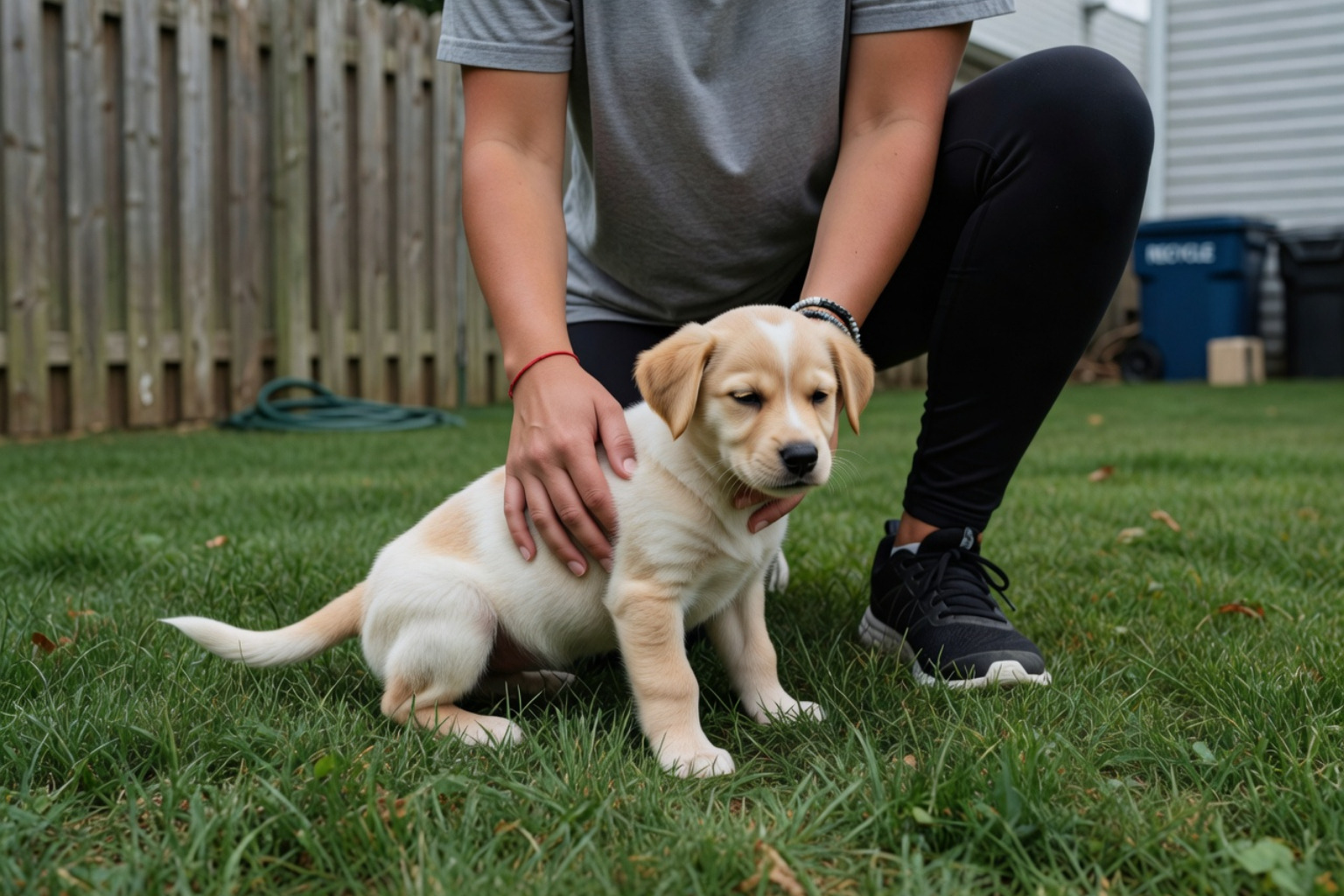
Why Housebreaking Dog Training Is the Foundation of a Happy Home
Housebreaking dog training is the first big challenge—and the first big win—you’ll share with your dog. Here’s what you need to master:
- Management – Keep your dog in sight or safely confined to prevent accidents.
- Routine – Feed and take your dog out at consistent times.
- Reinforcement – Reward successful potty breaks immediately.
- Patience – Expect the process to take 4-12 months for puppies.
- Never punish – Accidents are learning moments, not crimes.
Whether you’re raising a wiggly puppy or welcoming a rescue dog into your Austin-area home, housebreaking is about teaching them where and when to go. It’s the start of a trusting partnership built on clear communication.
Dogs are den animals who naturally avoid soiling their living spaces. They want to do the right thing; your job is to show them what that looks like in your home. A good guide says dogs can hold their bladder for about as many hours as their age in months (up to 9-10 months), but every dog is different.
Potty accidents aren’t a sign of a stubborn or “bad” dog. They’re just part of learning the same language. That worried look isn’t guilt—it’s your pup reading your mood. The good news? With the right approach, you can turn those early surprises into tail wags and clean floors.
At Pet Caddy, we know housebreaking is more than avoiding messes. It’s about building trust and setting your dog up for a lifetime of good habits. Our 5-acre ranch in Lakeway offers wide open spaces where dogs can learn in small groups with hands-on care—no hidden fees, no sterile kennels, just a Like Home experience that works.
Get ready for a journey built on patience, consistency, and a few good laughs.

Common housebreaking dog training vocab:
The Three Pillars of Potty Training Success
When it comes to successful housebreaking dog training, we think of it as a three-legged stool: management, routine, and reinforcement. If one leg is wobbly, the whole thing can tip over! Let’s explore how these pillars support your pup’s journey.
Management: Preventing Accidents Before They Happen
Management is your proactive shield against accidents. It’s all about setting your dog up for success by controlling their environment. When you can’t actively watch your new dog, use safe confinement.
- Leash Indoors: This simple trick keeps your dog close, so you can spot their potty cues before they wander off.
- Crate: A crate isn’t a jail; it’s a safe, cozy den. Dogs naturally avoid soiling their sleeping area, making a crate a great tool for preventing accidents when you can’t supervise.
- Baby Gates: These are wonderful for creating safe boundaries and dog-proofing certain areas of your home. This also helps with boundary training, teaching your dog where they can and cannot go.
Managing the environment reduces opportunities for mistakes and frustration. When you’re not home, confine your dog to their crate or a dog-proof room after a potty break.
Routine: Creating a Predictable Potty Schedule
Dogs thrive on predictability, and a consistent routine is your secret weapon for successful housebreaking dog training. Regularity helps regulate their internal clocks.
Start with consistent feeding times; a predictable input leads to a predictable output. Offer meals at the same time each day and pick up the bowl after 10-15 minutes. While you should never withhold water, especially in the Austin heat, you might limit it an hour before bedtime for puppies.
A good rule of thumb for potty breaks is:
- First thing in the morning
- Last thing at night
- After meals, naps, and playtime
For puppies, take them out every one to two hours. For adults, start with every two hours and gradually extend the time. Keeping a simple potty log can help you spot patterns and understand your dog’s unique rhythm.
Reinforcement: Celebrating Every Win
Positive reinforcement is key in housebreaking dog training. This means rewarding the behaviors you want to see more of. When your dog eliminates in the right spot outside, it’s a cause for celebration!
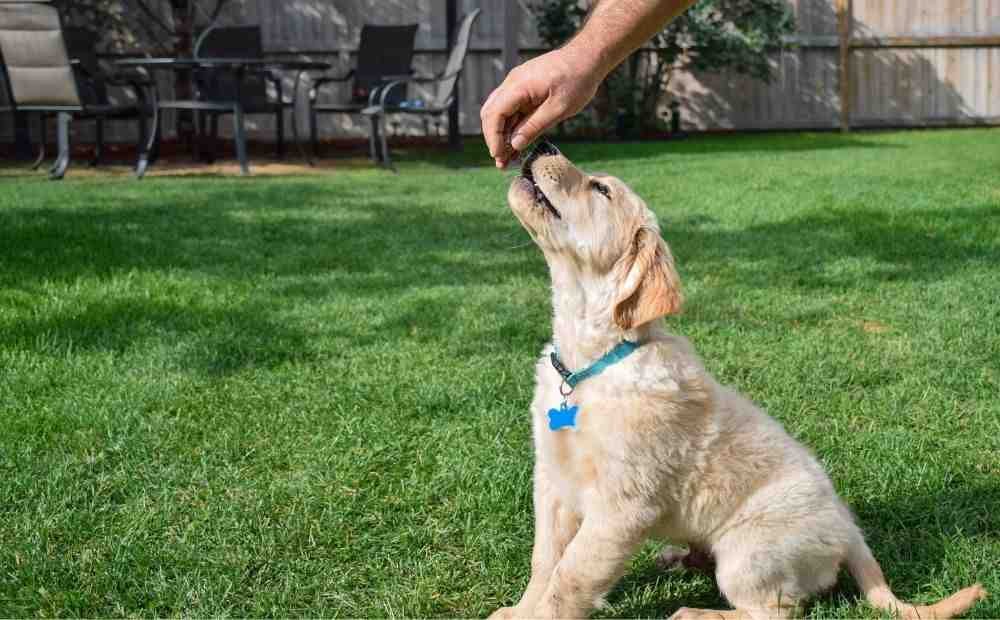
Use immediate praise and high-value treats—something your dog adores, reserved only for successful potty breaks. The reward needs to happen the second they finish. This helps your dog connect going potty outside with a wonderful treat and your happy praise.
That “guilty look”? It’s not remorse. Your dog is simply responding to your reaction. Scolding them after the fact only teaches them to fear you or hide their accidents, making the problem worse. If you find a mess, just clean it up. If you catch them in the act, calmly interrupt with a sound like “Uh-oh!” and immediately take them outside. If they finish there, reward them lavishly. This teaches them where they should go, not just where they shouldn’t.
Tailoring the Training: Puppies vs. Adult & Rescue Dogs
While the three pillars apply to all dogs, there are some nuances when it comes to housebreaking dog training depending on your dog’s age and background.
Housebreaking a Puppy: Patience and Persistence
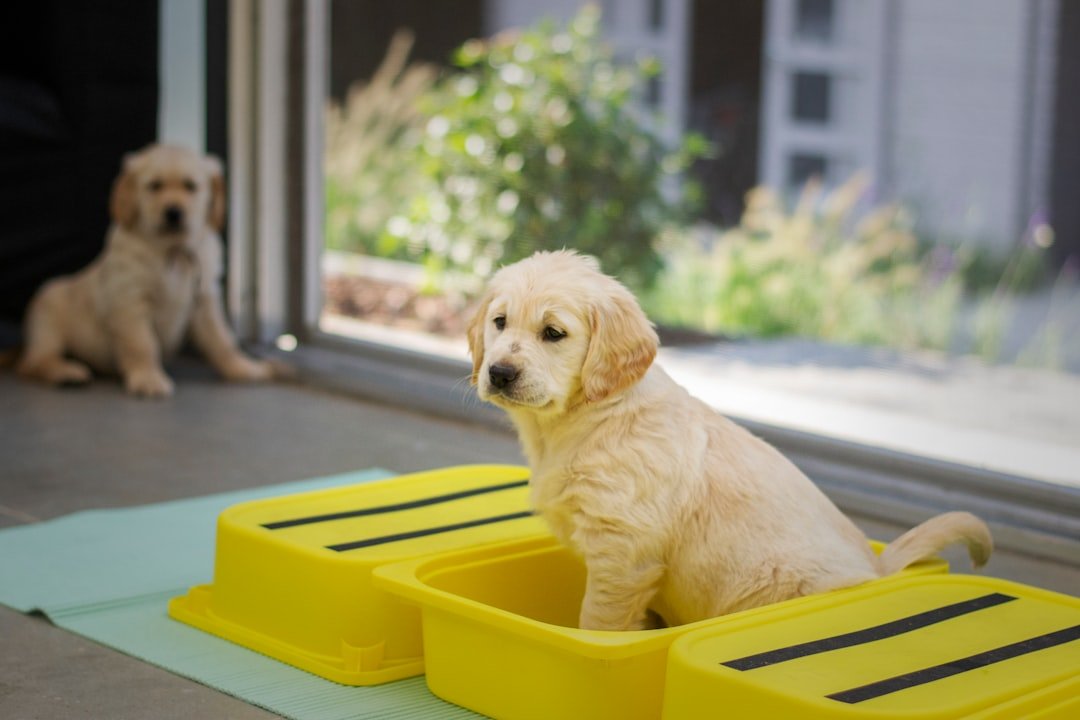
Bringing a new puppy home to Austin is an exciting time! But puppies have tiny bladders and even tinier attention spans. A good guide is the “age-in-months” rule: a two-month-old pup can usually hold it for about two hours. This means frequent potty breaks are a must, especially after waking, eating, and playing. Night-time potty breaks are also part of the deal—keep them strictly business, with no playtime.
Crate training is a lifesaver for young pups. A properly sized crate encourages them to hold it, which helps them develop bladder control. Accidents will happen while your puppy learns; it’s all part of the journey!
Housebreaking an Adult or Adopted Dog
When you welcome an adult or rescue dog into your Austin home, it’s wise to start fresh with housebreaking dog training, no matter their age. A new environment means new rules and expectations. They might have picked up habits from past homes or shelters that don’t fit your lifestyle, or they might be stressed by the change.
Treat every new adult dog as if they have no prior potty knowledge. Go back to the basics:
- Establish a firm routine from day one.
- Take them out frequently, starting with every two hours.
- Reward them richly for going outdoors.
- Supervise them closely indoors.
- Learn your new dog’s unique signals that they need to go.
Patience and consistency will pay off. Housetraining an adult dog can take several months, but with a calm approach, your new companion will learn the ropes and feel right at home.
Effective Tools and Methods for Housebreaking Dog Training
Having the right tools and knowing how to use them makes all the difference in successful housebreaking dog training.
The Crate: Your Dog’s Safe Den, Not a Jail
The crate is a powerful tool for housebreaking. For a dog, a crate is not a cage; it’s their safe den. Dogs naturally avoid soiling their den, which is why crate training works.
Choose a crate that’s just the right size—big enough to stand up and turn around, but not so large they can use one end as a bathroom. For growing puppies, use partitions to adjust the size. Introduce the crate positively with treats and comfy bedding, and never use it for punishment. It’s a management tool that prevents accidents and helps your dog develop bladder control.
Cleaning Up Accidents: The Right Way
Accidents happen. How you handle them matters.
- If you catch them in the act: Don’t yell. Make a neutral noise like “Uh-oh!” to interrupt them, then immediately take them outside. If they finish there, reward them with praise and a treat. This teaches them the right place to go.
- If you find it later: There’s no point in scolding your dog; they won’t connect it to the past event. It only creates fear. Just clean it up without a fuss.
The most important part of cleaning is using an enzymatic cleaner. Regular soaps won’t do. These cleaners break down the odor-causing molecules, completely eliminating the scent that tells your dog, “This is a good potty spot!”
Troubleshooting Common Challenges and When to Get Help
Even with the best effort, housebreaking dog training can have some bumps in the road. Here’s how to steer them.
Common Problems in Housebreaking Dog Training
- Potty training regression: A previously trained dog suddenly has accidents, often due to stress from a new environment, which is common for rescue dogs in the Austin area.
- Soiling the crate: This can mean the crate is too large, the dog was left too long, or they have a medical issue. Some dogs from neglectful backgrounds may have lost their natural denning instinct.
- Territorial marking: Small amounts of urine sprayed on vertical surfaces. This is about claiming territory, not needing to go potty.
- Submissive or excitement urination: An involuntary response when a dog is overly excited or intimidated. It’s not a deliberate accident.
- The “sneaky pee-er”: A dog who waits until you’re not looking to go. This often happens if they’ve been punished for past accidents and have learned it’s unsafe to go in front of you.
For these challenges, go back to the pillars: stricter management, a tighter routine, and more positive reinforcement.
When Accidents Might Signal Something More
If your housetrained dog suddenly starts having accidents, or a puppy isn’t making progress, it’s time for a vet visit. Rule out medical issues first.
Common medical causes include:
- Urinary Tract Infections (UTIs)
- Gastrointestinal Distress
- Spay Incontinence
- Kidney Disease or Diabetes
- Age-Related Issues
A check-up with your Austin-area veterinarian provides peace of mind and ensures any health problems are addressed before you focus on behavioral solutions.
Seeking Professional Guidance in the Austin Area
If you’re feeling stuck, you don’t have to go it alone. A professional dog trainer can provide invaluable support for housebreaking dog training.
At Pet Caddy, we understand these struggles. Our board and train programs offer a Like Home experience on our 5-acre ranch in Lakeway. We serve communities from Spicewood to Bee Cave, providing a true ranch adventure where dogs can learn and play in wide open spaces. Dogs in our care are supervised in small groups with hands-on human interaction all day. This consistent, positive environment can make a world of difference. Our pricing is transparent, with no hidden fees, because we believe every dog deserves the best chance to succeed.
Frequently Asked Questions about Housebreaking
Here are answers to some of the most common questions about housebreaking dog training.
How long does it really take to housebreak a dog?
It depends on the dog. For puppies, the process can take four to twelve months. An adult dog might learn faster, but it still requires patience. The biggest factor is your consistency. It’s a marathon, not a sprint!
How do I teach my dog a ‘go potty’ cue?
Teaching a cue like “Go Potty” is a great way to encourage them to go on command.
- As your dog begins to eliminate outside, say your cue in a calm tone.
- The moment they finish, give immediate praise and a high-value treat.
- Repeat this every time. Soon, your dog will connect the cue with the action. This is a lifesaver on rainy days!
Why does my dog have accidents right after we come inside?
This classic scenario usually happens for a few reasons. Your dog might have been too distracted by the exciting sights and smells outside to focus on the task. Or, they may not have had enough time to find the right spot. To fix this, stay out longer and be patient. Always go outside with your dog during training so you can reward them immediately. If they don’t go, bring them inside, put them in their crate for 10-15 minutes, and then try again. This teaches them that potty time is for potty, and playtime comes after.
Your Partner in the Potty Training Journey
Congratulations on starting your housebreaking dog training journey! Remember the three pillars: Management, Routine, and Reinforcement. These are the building blocks of clear communication and a trusting relationship with your dog.
Be patient, be consistent, and celebrate every win. A clean home and a well-adjusted dog are the wonderful rewards of your dedication.
If you need extra support, Pet Caddy is here to help. Our board and train programs offer a Like Home experience on our 5-acre ranch in Lakeway, serving communities from Spicewood to Barton Creek. Your dog will thrive in wide open spaces with hands-on care and expert guidance in small groups. This is especially helpful during the housebreaking dog training phase.
We’re your partner in this journey, providing a ranch adventure that builds confidence and good habits. Our pricing is transparent, and the tail wags are always included.
Ready to build a strong foundation? Schedule your pup’s training adventure.