Why Hunting Dog Training is a Rewarding Journey

Hunting Dog Training is about nurturing your dog’s natural instincts and teaching specialized skills so they can become a reliable partner in the field. Whether you’re raising a puppy or working with an adult dog, good training builds a foundation of obedience, focus, and hunting abilities like retrieving, quartering, and steadiness.
Quick Answer: Key Steps to Train a Hunting Dog
- Start Early – Begin basic obedience around 8 weeks old with simple commands like sit, stay, and come
- Build a Strong Bond – Use positive reinforcement, consistent communication, and daily interaction to establish trust
- Master Core Skills – Teach focus, steadiness, and retrieving using bumpers and positive rewards
- Introduce Advanced Work – Gradually acclimate your dog to water, gunshots, and live birds
- Practice Regularly – Keep training sessions short, fun, and consistent throughout your dog’s life
Training a hunting dog is about more than teaching commands—it’s about building a partnership. From the moment you bring your pup home, every interaction shapes their character and hunting drive. The good news? Dogs are born with the instinct to hunt. Your job is to nurture that drive and teach them to work with you.
This journey takes patience, but the reward is a four-legged partner who shares your adventures across the wide-open spaces of Texas. Whether you’re training a waterfowl retriever, an upland flusher, or a pointer, the foundation is always the same: a well-mannered dog who trusts you and loves the work.
This guide will walk you through every stage—from picking the right puppy and teaching basic manners, all the way to field skills like blind retrieves and gunshot conditioning. We’ll show you how to read your dog’s body language, overcome common challenges, and gear up for a successful hunt. And if you’re here in the Austin area, Pet Caddy is ready to help with our training programs on our 5-acre ranch, where dogs learn in a ‘Like Home’ environment with hands-on care at no extra cost.

The Foundation: Starting Your Pup Off on the Right Paw
This first stage is all about building a strong bond and teaching the basics. It’s less about the hunt and more about creating a well-mannered companion who trusts you. Think of it as building the foundation for a great ranch hand—they need to know the rules of the house before they can work the wide-open spaces.
Before we think about chasing birds, we focus on building a strong relationship. This means positive reinforcement, making learning a joyful experience, and helping your dog feel safe and loved. Building this bond from day one is the secret sauce for a great hunting partner and a happy family member.
More info about our Puppy Training services
The Right Time to Start and First Steps
When is the right time to start Hunting Dog Training? The answer is simple: the moment your new puppy comes home! Puppies are like little sponges, soaking up every experience. Basic obedience can begin as early as 8-10 weeks old. These early weeks are a great time to shape their character and introduce foundational skills.
We start with short, fun sessions—think 6-8 minutes at a time, several times a day. This keeps your pup engaged and prevents them from getting overwhelmed. Commands like “sit,” “stay,” and “come” are not just polite manners; they are the building blocks for future hunting work. A dog that reliably comes when called is a safe dog, whether in your Lakeway backyard or out in the field. House training and crate training are also important first steps to help your pup understand boundaries and feel secure. We believe in making the crate a happy place, never a punishment, using it as a cozy den for rest and quiet time.
Consistency is key! Every interaction is a teaching moment. If you’re looking for more detailed guidance on these early stages, our Dog Puppy Training Guide offers plenty of tips to make learning enjoyable for both of you.
The Power of Partnership: Bonding and Communication
A strong bond is the heart of a good Hunting Dog Training program. Your dog’s willingness to work with you, even with exciting distractions, comes from the trust you’ve built. We want our dogs to be eager partners.
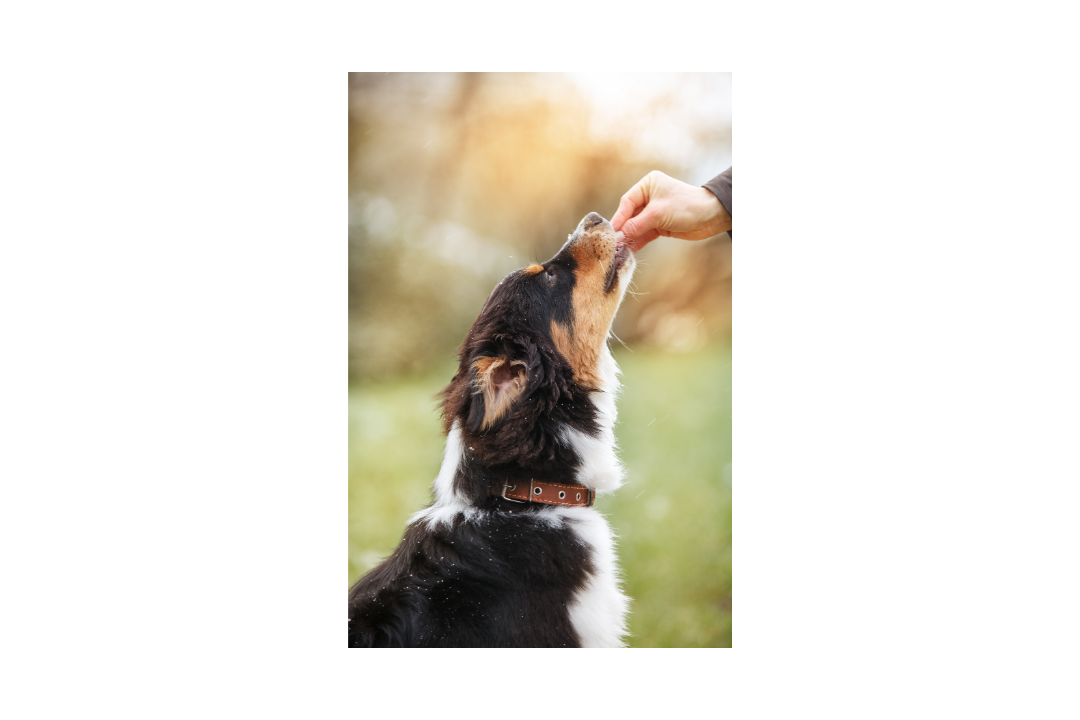
A great tool for communication is eye contact. Dogs are good at reading our body language, facial cues, and voice inflection. When your pup looks into your eyes, they’re not just being cute; they’re checking in and seeking guidance. We encourage daily reinforcement of this connection by making eye contact a prerequisite for simple rewards – like getting their dinner, going outside, or a gentle pet. It’s a simple way to teach them that paying attention to you brings good things.
By understanding your dog’s body language—a relaxed tail wag, soft eyes, or a happy bounce—you can better gauge their comfort levels and adjust your training. If they’re stressed or confused, we take a step back. If they’re eager and engaged, we keep the fun going! This dialogue builds a deep partnership, making your dog want to please you. That drive to please is so strong, they’ll almost “read your mind” in the field! For those looking to dig deeper into understanding their dog’s behavior, our insights on Behavior Training for Dogs: What It Is and How to Get Started can be a big help.
Core Skills for the Field: Focus, Steadiness, and Retrieving
Once your pup has the basics down, it’s time to start shaping their natural instincts. This is where we teach them how to be a partner in the field—focused on the job, steady under pressure, and dependable with every retrieve.
With a foundation of trust and basic obedience, we can guide our dogs toward the skills that make a great hunting companion. This stage is about honing their natural talents while helping them stay responsive and calm. From teaching them to ignore exciting distractions to perfecting a soft-mouthed retrieve, every step is designed to build confidence and teamwork. We use positive reinforcement, clear whistle commands, and precise hand signals to communicate our expectations, fostering a dog who is not only skilled but also steady and quiet when it counts.
How to Train for Focus Amidst Distractions
Imagine being in the field with your dog, surrounded by tempting scents, scurrying critters, and the excitement of the hunt. How do you keep their attention on you? Training for focus amidst distractions is a key part of good Hunting Dog Training. It’s about making you the most interesting thing in their world.
We start by rewarding the behavior we want. If your dog looks at you, even for a split second, praise them! Use everyday moments as training opportunities: wait for eye contact before opening the door, feeding them, or offering a treat. This teaches them that focusing on you brings positive outcomes. When we’re training in a more distracting environment, and a dog gets overly excited and loses focus, we simply slow things down. We wait patiently for them to settle and make eye contact before proceeding. This approach prevents them from learning that chaos gets them what they want. By consistently prioritizing eye contact and calm interaction, we build a partnership centered on teamwork, so your dog can perform well whether we’re in Steiner Ranch or a busy field.
If you’re looking to refine your dog’s general obedience and focus, our Dog Obedience Training programs are designed to help.
The Art of the Retrieve
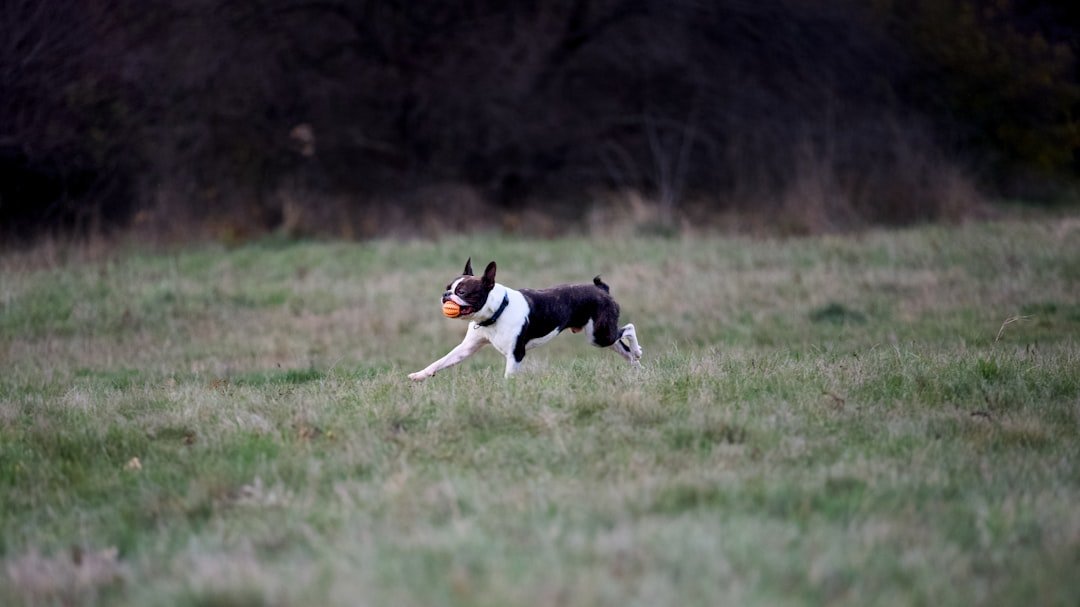
For many hunting dogs, especially retrievers, the retrieve is their great joy. Our goal is to develop a dog that retrieves game quickly, gently, and delivers it “to hand”—meaning they bring the game directly back to you without dropping it. This process starts with land retrieves, building confidence before moving to water.
We begin with “decoy bumpers” or retrieving dummies, making it a fun game. We teach a consistent “fetch” command and praise them for bringing the bumper all the way back. A common challenge is a dog dropping the bumper too early. To prevent this, some trainers get in the water with their dog, commanding “give” just before the dog can shake. This teaches the dog to hold on until instructed.
Retrieval training can begin around 6-7 months of age, building on that foundation of basic obedience. Simulating hunting scenarios, like tossing a bumper and having them mark its fall, helps prepare them for real-world situations. The key is to make every retrieve a positive experience, reinforcing their natural drive to bring things back to their human.
Teaching Steadiness and a Quiet Demeanor
Steadiness and quietness in the blind or field are hallmarks of a well-trained hunting dog. A steady dog waits patiently until given a command, even after a bird flushes or a shot is fired. A quiet dog doesn’t bark or whine, so you don’t spook game.
We introduce commands like “whoa” (for pointing dogs, to stop and stand still) or “hup” (for flushing dogs, to sit) early in training. This teaches them self-control and the importance of waiting for your signal. For flushing dogs, we practice “sit on the whistle” and “sit on the shot.” This involves associating a sustained whistle blast or the sound of a gunshot with the “sit” command, gradually building their ability to remain calm and seated through the excitement.
Achieving steadiness takes repeated drilling and a lot of patience. We simulate hunting scenarios, gradually increasing the distractions, always reinforcing that calm, quiet behavior is what earns praise and rewards. It’s a journey of building trust and communication, making sure your dog understands that waiting for your cue leads to success. For more guidance on these important skills, explore our Basic Gun Dog Training resources.
Advanced Hunting Dog Training: Water, Guns, and Game
Now for the exciting part! This is where all that early work pays off. We’ll introduce your dog to the sounds and sights of a real hunt, always making sure they feel confident and safe.
With core skills in place, it’s time to expand our Hunting Dog Training to more complex scenarios. This phase introduces your dog to the elements of actual hunting environments, from the splash of water retrieves to the crack of a shotgun. We approach each new element with care to build confidence. This includes gradual water introductions, careful gunshot conditioning, and field techniques like quartering and blind retrieves. It’s about refining their instincts and integrating them into the hunt, creating a capable and enthusiastic partner.
Your Dog’s First Swim: A Guide to Water Training
Introducing your dog to water should always be a positive and joyful experience. We want them to love the water, not fear it! This is especially important for waterfowl dogs who will spend a lot of time in the lakes and rivers of Central Texas, from Lake Travis to Horseshoe Bay.
We start gradually, in very shallow, calm water. Bring their favorite floating toys or bumpers and make it a game. Get in the water with them, splashing and encouraging them. This builds their confidence and shows them it’s a fun place to be. Never force a dog into water; a bad first experience can create a lifelong aversion. As they become more comfortable, we can introduce slightly deeper water and gentle currents, always keeping safety in mind.
Be mindful of water temperatures. Cold water can lead to hypothermia, especially for young pups, while warm water combined with exertion can cause overheating. Always monitor your dog’s condition and take breaks as needed. The goal is to build a dog that eagerly and safely handles water retrieves.
Acing the Gunshot Introduction
The sound of a gunshot is an important part of Hunting Dog Training, and you want to get it right. A gun-shy dog is not only ineffective in the field but can also be traumatized. Our goal is to associate the sound of gunfire with positive, exciting events, not fear.
We begin with distant sounds. While your dog is happily focused on a retrieve drill with a bumper, a helper can fire a starter pistol or a low-caliber gun a good 100 yards away. The dog should be so interested in the retrieve that they barely notice the sound. Gradually, over many sessions, we can decrease the distance, always making sure the dog remains calm and focused. The key is never to shoot directly over your dog or introduce gunfire without a positive distraction like a retrieve. This creates a positive association: “Gunshot means fun! A bird is coming!” This careful, gradual approach ensures your dog remains steady and confident when the real action begins.
Advanced Hunting Dog Training in the Field
With a foundation in obedience, focus, and basic retrieves, we can now move into more complex field scenarios. This is where your dog learns to hunt with you, not just for themselves.
An important skill is “quartering”—training your dog to run in a zigzag pattern ahead of you. This helps them cover ground and find game in the landscapes around Marble Falls or Bee Cave. We use bumpers and verbal cues to guide their pattern, rewarding them for staying within range and working the field.
Another advanced skill is “blind retrieves.” This is when your dog needs to retrieve a fallen bird that they didn’t see fall. Here, hand signals and dog whistles are a big help. We teach specific signals for “go back,” “go left,” “go right,” and “come in,” guiding your dog to the unseen game. Working with decoys is also part of this stage, teaching your dog to focus on retrieving the actual game, not the plastic imposters. This level of communication creates a great and rewarding partnership in the field.
Gearing Up, Overcoming Problems, and Testing Skills
A prepared hunter is a good hunter. This section covers the gear you’ll need, how to handle bumps in the road, and ways to test your dog’s skills. It’s all about setting you both up for happy hunts.
Knowing your gear helps your dog perform well and stay safe. You’ll face bumps in the road during training—that’s part of the journey! Knowing how to handle them keeps you moving forward. Testing those skills in a fun setting is a great way to celebrate your hard work. Stamina and a first-aid kit are also key for healthy adventures.
Essential Gear for Hunting with Your Dog
Here’s what we recommend for training and hunts:
- Orange Safety Vest: This is a must-have. An orange vest makes your dog highly visible to other hunters, keeping them safe.
- Dog First-Aid Kit: Accidents happen. Your kit should include basics like bandaging material, antiseptic, and any personal medications for your dog. It’s peace of mind on every outing.
- Durable Dog Bowl & Water: Hydration is key. A sturdy bowl and plenty of fresh water are a must, especially in the Texas heat.
- Protective Dog Vest: Beyond visibility, vests offer protection from briars, sharp sticks, and cold water. Look for options that fit snugly and allow a full range of motion.
- GPS/E-collar: A GPS collar helps you track your dog’s location. E-collars, when used correctly and humanely, can be good tools for communication in the field. Always start with the lowest setting and use them as an extension of your voice, not for punishment.
- Whistles and Training Dummies: These are great for communication and practice for retrieving drills on land and in water.
Don’t forget a sturdy leash, a comfortable collar, and plenty of tasty treats for rewards!
Common Challenges and How to Overcome Them
Even with the best intentions, we sometimes encounter bumps in the road. Here are a few common challenges in Hunting Dog Training and how we approach them with patience:
- Gun Shyness: This is a serious issue. If a dog becomes fearful of gunshots, it can be difficult to overcome. The key is prevention through careful, gradual introduction. If it occurs, go back to basics, re-associating distant gun sounds with highly positive experiences, never forcing the issue.
- Hard Mouth (Damaging Game): This is when a dog bites down too hard on game. It often comes from excitement. We address this by practicing with soft dummies and rewarding a gentle delivery.
- Ignoring Commands: This usually points to a communication breakdown. Go back to basic obedience in a quiet place, then gradually add distractions. Never give a command you can’t follow through on.
- Breaking (Not Being Steady): When a dog “breaks” or runs off before being commanded, it means they lack steadiness. This requires going back to repeated “sit” or “hup” drills, reinforcing the wait command with high-value rewards, and slowly reintroducing the exciting stimuli. Patience and consistency are your best friends here.
The solution to most training challenges is to go back to basics. Reinforce the foundation, make sure communication is clear, and rebuild confidence. Every challenge is a chance to strengthen your bond.
Putting Skills to the Test: Hunt Tests and Field Trials
After all the hard work, how do you know if your dog is ready? Hunt tests and field trials are great ways to assess skills and have fun.
What are hunt tests? These events simulate real hunting scenarios, evaluating your dog’s natural abilities and trained responses in a non-competitive environment. Judges score dogs against a standard, not against each other. Field trials are competitive events where dogs are judged against each other.
The benefits of participating are numerous:
- Skill Assessment: They provide an objective way to see how your dog performs under pressure.
- Reinforce Training: The focused practice for these events keeps your dog’s skills sharp.
- Off-Season Activity: They’re a wonderful way to keep your dog active and engaged during the off-season.
- Community: You’ll connect with other passionate dog owners and trainers.
Many organizations, like the American Kennel Club (AKC), host events for hunting breeds, often right here in Texas. Finding an event near Austin, Spicewood, or Horseshoe Bay is a great way to celebrate your dog’s progress.
Frequently Asked Questions about Hunting Dog Training
How long does it take to train a hunting dog?
Training a hunting dog is a journey that begins the moment your puppy comes home. A flushing or retrieving dog’s core education can often be done in a dedicated three-month period, typically around one year of age. This prepares them for their first hunting season. However, refinement and learning continue throughout a dog’s life. Every dog learns at its own pace, so patience and consistency are always key.
Can any dog breed be a hunting dog?
While many dogs have a natural prey drive, breeds like Labradors, Spaniels, and Pointers are bred for hunting. They often have strong instincts for retrieving, pointing, or flushing, which can make training more intuitive. However, a dog’s individual drive, temperament, and the quality of its training are what matter most. A good foundation in obedience and a dedicated owner can bring out the hunter in many dogs, but those with hunting lineage often have a head start.
What is the biggest mistake people make in hunting dog training?
One of the most common mistakes we see is rushing the process. It’s easy to get excited and want to jump straight to advanced techniques, but pushing a dog into complex situations before they’ve mastered foundational skills can lead to frustration and setbacks. For example, introducing a dog to water retrieves or close-range gunfire before they have solid land obedience and focus can create gun shyness or an aversion to water. Taking your time is the best approach in dog training. We always emphasize building a solid foundation and making sure the dog is confident and happy at each stage. Patience and consistency are your best tools.
Conclusion
Training a hunting dog is one of the most rewarding experiences you can share with a dog. It’s a journey of building trust and a partnership that extends from your home to the wide-open spaces of the field. By starting with a solid foundation, practicing with patience, and always making it fun, you’ll bring out your dog’s natural abilities and create a hunting partner for life.
Here at Pet Caddy, we understand the dedication it takes to raise a well-trained hunting dog. That’s why we offer training programs on our spacious 5-acre ranch in the Austin area, providing a ‘Like Home’ environment for your dog to learn and thrive. We believe in hands-on care and custom play, making sure every dog gets the attention they need to bring out their best. Our transparent pricing means no hidden fees, and services like hands-on human interaction and all-day supervised play are always included at no extra cost. Whether you’re in Lakeway, Bee Cave, or any of our surrounding communities like Spicewood or Horseshoe Bay, we’re here to support you and your furry friend on this journey.
Ready to start the adventure? Learn more about our Advanced Obedience Training services.