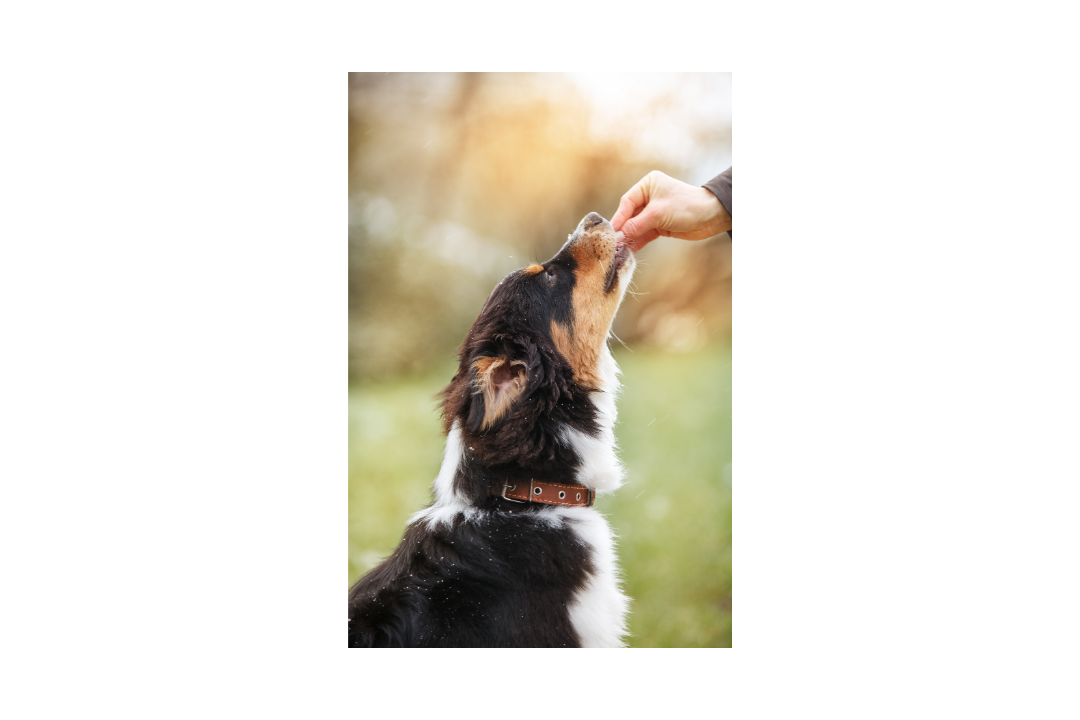
Why Training an Australian Shepherd Takes More Than Just Treats
Training an Australian Shepherd is both rewarding and challenging—these dogs are whip-smart, full of energy, and bred to work. Here’s what you need to know:
- Start early: Focus on positive introductions and basic cues between 8-16 weeks
- Keep it interesting: Aussies get bored with repetition and will outsmart loopholes in your training
- Balance physical and mental exercise: A tired brain matters more than tired legs
- Use positive reinforcement: Reward-based methods work best for this sensitive, intelligent breed
- Channel their herding instincts: Redirect nipping and chasing into appropriate activities
- Be patient through adolescence: Expect some “selective hearing” between 6-18 months
If you’ve ever watched your Aussie stare at you with those bright eyes, you know they’re not just listening—they’re analyzing. These dogs were developed to herd livestock across the American West, making split-second decisions on their own. That independence and problem-solving nature is a gift when you’re training them right, but it can also mean they’ll find creative ways around your rules if you’re not consistent.
Australian Shepherds are loyal, eager to please, and deeply bonded to their families. But they’re also reserved with strangers, prone to boredom, and need a job to stay happy. Without proper training and mental stimulation, that energy can turn into destructive behavior, excessive barking, or relentless herding of kids and pets.
The good news? With the right approach—short, fun training sessions, clear boundaries, and plenty of engaging activities—you can raise a well-behaved, happy companion. Whether you’re starting with a fluffy puppy or working through teenage tantrums, training an Aussie is about building a partnership with one of the smartest breeds around.
At Pet Caddy, we know that busy Austin-area families sometimes need a hand giving their high-energy dogs the Hands-On Care and mental challenges they crave. Our programs include all-day play and Supervised care, with plenty of personal attention included at no extra cost.

Understanding Your Aussie’s Big Brain and Loyal Heart
Australian Shepherds are remarkable dogs, and understanding their unique personality is the first step to successful training Australian Shepherd. They are, first and foremost, a working dog breed, gifted with strong herding and guardian instincts. This means they’re intelligent, energetic, and always on the lookout for a “job” to do.
Their intelligence isn’t just about learning commands quickly; it’s about their incredible problem-solving nature. Aussies are renowned for their ability to think independently and make decisions on their own. This can be a huge asset when they’re working alongside you, but it can also mean they’ll invent their own solutions to problems (like opening a cupboard for a snack!) if left to their own devices. They see opportunities, not just limits, which owners must thoughtfully teach them.
While Aussies are closely attached to their family and eager to please those they love, they don’t tend to seek contact with strangers or easily accept them as “friends.” This reserved nature, combined with their guardian instincts, means they can be watchful and protective. They’re not typically “everyone’s best friend,” and respecting this trait is key to managing their interactions with new people.
Building a strong bond with your Aussie is so important. This bond is forged through consistent, positive interactions, clear communication, and understanding their unique perspective. It’s a partnership built on trust and mutual respect. For more on how to foster this connection, check out our Dog Puppy Training Guide.
Why Traditional Training Can Fall Short
Given their sharp minds and independent streak, traditional, repetitive training methods often fall short for Australian Shepherds. An Aussie learns quickly, and if you ask them to do the same thing over and over, they might get bored and start “inserting” their own ideas into the training—which might not be what you had in mind! They’re always looking for loopholes, and their intelligence allows them to prioritize their own desires over your requests if something more exciting is on offer.
This problem-solving nature means that methods relying solely on treats can sometimes be less successful. An Aussie might learn to ignore a command if they calculate that a more rewarding alternative is available, or they might exploit the system, only performing a behavior if a treat is guaranteed. Instead of just “training” them, we need to engage their brains and give them a reason to choose the right path. This is why avoiding harsh methods and focusing on positive reinforcement is so important; it builds trust and encourages them to work with you, not just for a reward.
A successful approach to training Australian Shepherd acknowledges their need for mental challenges. If you don’t teach an Aussie what you want them to do, they will certainly learn something else! For tips on engaging your dog’s mind, explore our guide on From Stand to Sit: Unlocking Your Dog’s Inner Obedience Star.
Reading Your Aussie’s Cues
Understanding your Australian Shepherd’s body language is like learning a new language—a silent, nuanced one that speaks volumes. Aussies communicate primarily through non-verbal cues, and being able to interpret these signals deepens your bond and makes training much more effective.
Look for these common indicators:
- Tail Wags: A loose, wagging tail often means happiness, but the height and speed of the wag, along with the rest of the body, tell the full story. A low, slow wag might indicate nervousness, while a stiff, high wag could signal arousal or tension.
- Ear Position: Forward ears often mean alertness or interest. Pinned-back ears can indicate fear, submission, or sometimes intense focus.
- Body Posture: A relaxed, soft body with a slightly curved spine usually means comfort. A stiff, rigid posture can indicate tension, fear, or a readiness to react. A play bow (front end down, rear end up, tail wagging) is an invitation to play!
- Appeasement Signals: These are often mistaken for “guilt” but are actually signs of stress or an attempt to diffuse a perceived threat. They include lip licking, yawning, turning the head away, avoiding eye contact, or a low, cowering posture. If your dog exhibits these, it’s a sign they’re feeling uncomfortable, not that they “know they did wrong.”
- Stress Signals: Beyond appeasement, other stress signs include panting when not hot, whale eye (showing the whites of the eyes), excessive shedding, or shaking.
- Vocalizations: While less subtle, barks, whines, and growls are also part of their communication. Understanding the context and type of vocalization is key. A sharp bark might be an alarm, while a low growl is a clear warning.
By learning to read these cues, you can respond appropriately, build trust, and avoid misunderstanding your Aussie’s needs and feelings.
An Aussie Puppy Training Timeline: From Fluffball to Friend
Bringing home an Australian Shepherd puppy is an adventure! These little fluffballs grow into intelligent, active companions, and starting their training Australian Shepherd journey early is important. We encourage you to think of their first year as a structured timeline, with key developmental stages guiding your training goals. This approach sets them up for success, as highlighted by experts like Dr. Peggy Timm. For a detailed roadmap, the AKC offers a great resource: How to Train an Australian Shepherd Puppy: Timeline & Milestones.
Patience and consistency are your best friends throughout this journey. Every Aussie is an individual, but these general guidelines will help you steer their growth. If you’re looking for support with your puppy’s early education, our Puppy Training programs are designed to give them the best start.
The First Few Months (8-16 Weeks)
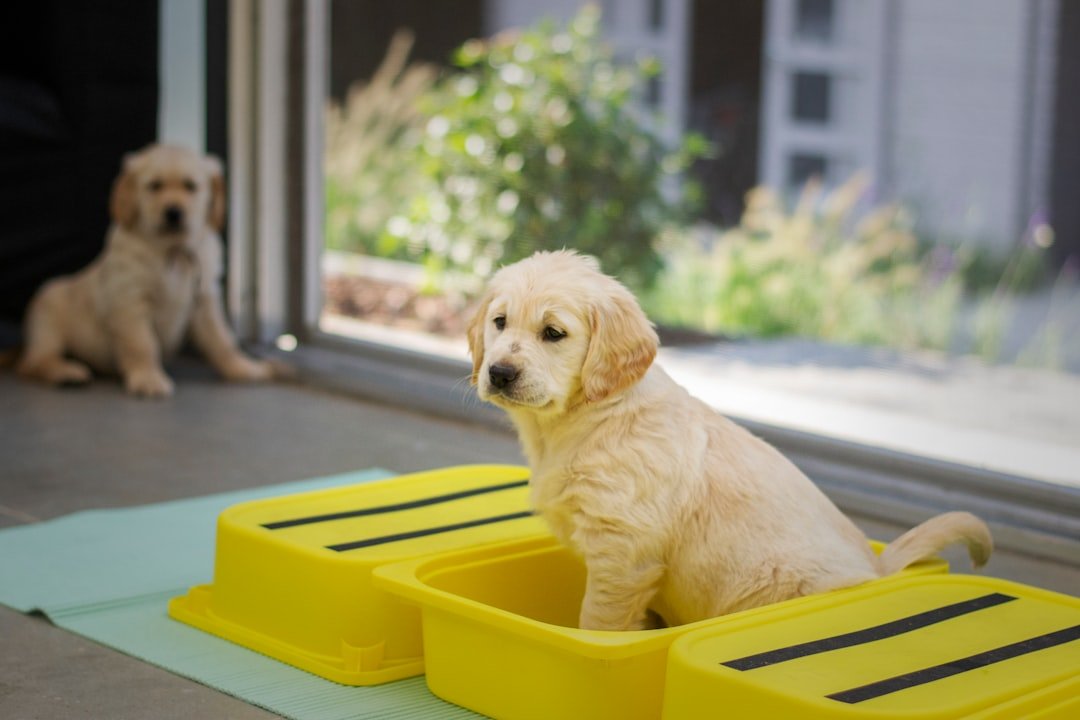
This is a golden window for your Aussie puppy. They are like sponges, soaking up everything around them!
- Basic Cues and Rules: This is the time to introduce basic commands like “sit,” “down,” “stay,” and “come.” Start with their name, making it a positive experience every time they hear it. Set clear household rules and boundaries from day one. Aussies learn quickly, so if you don’t teach them what you want, they’ll teach themselves something else!
- Housebreaking: Establish a consistent routine for potty breaks. Take them out frequently (first thing in the morning, after waking from naps, after eating, before bed) to a designated potty spot. Reward success with praise and a treat. For comprehensive guidance, our Puppy Potty Training guide is a fantastic resource.
- Crate Training: Introduce the crate as a safe, comfortable den, not a punishment. Feed meals in it, offer special toys, and gradually increase the time they spend inside. This helps with housebreaking and provides a secure space for them.
- Early Introductions: This is perhaps the most important task during this stage. A puppy with positive early experiences becomes a well-adjusted adult. Expose your puppy positively to many new people, places, sounds, surfaces, and healthy, vaccinated dogs. Think diverse experiences, not just overwhelming encounters. Our doggy daycare programs are perfect for this, offering controlled environments for positive introductions.
The “Teenage” Phase (6-18 Months)
Just like human teenagers, adolescent Aussies can be a handful! Around 6 months, and often peaking around 1.5 years, your Aussie might enter a “teenage phase.” This is when they might experience “selective hearing,” pushing boundaries, and seemingly reverting to behaviors they had already mastered as puppies.
This isn’t defiance; it’s a normal developmental stage where their instincts intensify, and they test their independence. You might notice their reserved nature with strangers becoming more pronounced, or their herding instincts kicking in more strongly.
During this time, consistency and patience become even more important (if that’s possible!). You’ll need to revisit and reinforce foundation skills. What seemed like a solid “come” command might suddenly be ignored if there’s a squirrel or another dog nearby. Strengthen your control over their environment and practice obedience in increasingly distracting situations. This phase is about reminding them that the rules still apply, even when they’re feeling a bit cheeky. Our Dog Training for Puppies also covers this important adolescent period.
The Core Curriculum for Training an Australian Shepherd
The foundation of successful training Australian Shepherd lies in positive reinforcement and consistent methods. Aussies thrive when they understand what’s expected of them and are rewarded for getting it right.
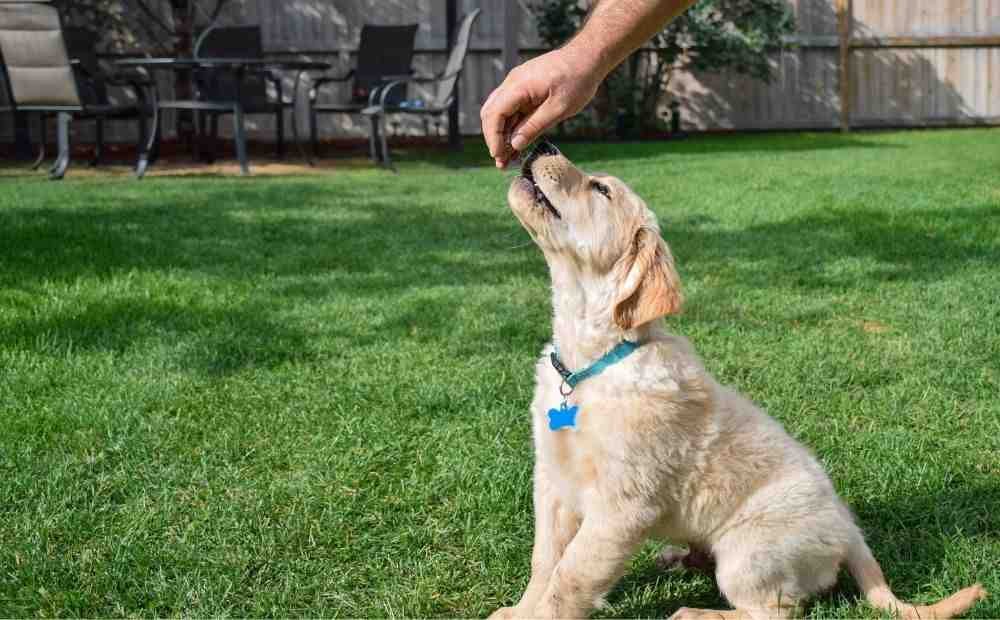
- Positive Reinforcement: This is our gold standard. Reward desired behaviors with treats, praise, toys, or whatever your Aussie values most. This builds trust and makes training a joyful experience for both of you. It’s about teaching them what to do, rather than punishing them for what they shouldn’t do.
- Reward-Based Methods: Whether it’s clicker training or verbal markers, consistently rewarding the exact moment your dog performs the desired action helps them understand quickly.
- Short Training Sessions: Aussies are smart, but they can get bored with repetition. Keep training sessions short (5-10 minutes for puppies, 15-20 minutes for older dogs) and end on a positive note. Multiple short sessions throughout the day are far more effective than one long, tedious one.
- Consistency is Key: Everyone in the household needs to be on the same page regarding commands, rules, and expectations. Inconsistency confuses your Aussie and can lead to them ignoring commands.
- Making it Fun: Turn training into games! Aussies love to work and solve puzzles. The more enjoyable you make it, the more engaged and eager to learn they’ll be.
For a deeper dive into these principles, our Dog Training Complete Guide provides a wealth of information.
Best Practices for Housebreaking and Crate Training
Housebreaking and crate training are cornerstones of a well-adjusted Aussie, and starting early makes all the difference.
- Establishing a Routine: Dogs thrive on routine, and Aussies are no exception. Set a consistent schedule for feeding, potty breaks, and playtime. Take your puppy out frequently—every hour or two initially, and always after waking, eating, and before bed.
- Crate as a Safe Space: The crate should be your Aussie’s cozy den, a place they want to be. Make it comfortable with a soft bed and toys. Never use the crate for punishment.
- Positive Association: Feed meals in the crate, offer high-value chew toys when they’re inside, and praise them for entering and settling. Gradually increase the time they spend in the crate, starting with short periods while you’re nearby.
- Accident Management: Accidents will happen, especially with puppies. When they do, clean them thoroughly with an enzymatic cleaner (to remove odors that might attract them back to the same spot). Avoid punishment; your puppy won’t understand and it can lead to fear. Instead, calmly interrupt them and immediately take them outside. Reward if they finish pottying outside.
For more detailed guidance on setting up a successful potty training plan, our Mastering the Basics: Essential Tips for Potty Training Any Dog is a helpful resource.
Basic Obedience: Your Training Australian Shepherd Starter Pack
These basic commands are your foundation for a well-behaved Aussie. They provide control, ensure safety, and strengthen your communication.
- Sit: A fundamental command that teaches patience and control. Use a treat to lure your Aussie into a sit position, say “sit,” and reward.
- Stay: Once “sit” is mastered, add “stay.” Start with very short durations and distances, gradually increasing them as your Aussie succeeds. This is important for safety.
- Down: Another command that promotes calmness and submission. Lure your dog into a down position with a treat, say “down,” and reward.
- Come: Arguably the most important command for your Aussie’s safety, especially when off-leash. Make “come” always associated with something wonderful—a treat, a favorite toy, enthusiastic praise. Never use “come” to scold or do something unpleasant. Learn more about teaching this important command in our guide on how to Teach Dog Come.
- Leave It: This command teaches your Aussie to ignore tempting (and potentially dangerous) items. Start with low-value items and reward them for looking away.
- Leash Manners: Aussies are strong and can be enthusiastic walkers. Start leash training early, teaching them to walk politely by your side without pulling. Consistent practice and rewarding loose-leash walking are key.
Mastering these basics is a significant step in your training Australian Shepherd journey. Our Puppy Basic Obedience Training offers further insights into building these basic skills.
Channeling That Famous Aussie Energy
Australian Shepherds are high-energy dogs, and simply providing physical exercise isn’t always enough. In fact, a dog that is constantly running might just get fitter, making them even harder to “tire out.” The key is a healthy balance of mental stimulation versus physical exercise.
A tired brain often matters more than tired legs for an Aussie. They are working dogs, and their minds crave engagement. A 20-minute training session or a challenging puzzle toy can often tire them out more deeply than a long, repetitive walk. Without adequate mental stimulation, that boundless energy can lead to destructive behavior (digging, chewing), excessive barking, or general restlessness.
Think of it this way: a physically exhausted Aussie might still be mentally wired, but a mentally engaged Aussie is often content and calm. This is why we focus on providing stimulating activities that challenge their intellect and instincts, preventing boredom and fostering a happier, more settled companion. Our Dog Obedience Training programs integrate mental challenges to keep your Aussie engaged and fulfilled.
Managing Herding Instincts: Nipping and Chasing
Herding is in an Aussie’s DNA. They were bred to move livestock, and that instinct can manifest as nipping at heels, circling people or other pets, or chasing anything that moves—bikes, cars, squirrels, or even children. While this isn’t aggression, if left unmanaged, these behaviors can become problematic.
Here’s how to manage it:
- Identifying Herding Behavior: Watch for specific body language: narrowed focus, forward-facing ears and eyes, a raised head/chest, an alert posture, or a crouched position. These are signs your Aussie is about to engage their herding drive.
- Redirecting the Instinct: The moment you see these signs, intervene. Instead of scolding, redirect their energy. Teach alternative commands like “watch me” to break their focus, or “leave it” to disengage from the object of their attention. A simple “sit” command can also interrupt the behavior.
- Stop Nipping at Heels: If your Aussie nips at heels (especially of children), immediately redirect them to an appropriate chew toy. Never allow them to practice this behavior on people.
- Managing Chasing: For chasing, build strong “come” and “leave it” commands. Practice in varied environments. You can also channel this drive with appropriate outlets like a flirt pole or a herding ball, which allows them to chase and “work” a moving object safely.
While these behaviors aren’t aggression, managing them falls under the umbrella of behavior modification. For more serious or persistent challenges, our insights on Behavior Modification for Aggressive Dogs can offer a broader understanding of addressing unwanted behaviors with positive strategies.
Fun “Jobs” for Your Training Australian Shepherd
A bored Aussie is a mischievous Aussie! Providing them with “jobs”—activities that engage their bodies and minds—is important for their well-being. This channels their natural instincts into constructive outlets and strengthens your bond.
Here are some fantastic activities that Australian Shepherds excel at:
- Agility: A fantastic sport that combines physical exercise with mental challenges, requiring your Aussie to steer an obstacle course with jumps, tunnels, and weave poles.
- Obedience Trials: Beyond basic commands, obedience trials demand precision, focus, and teamwork, showcasing your Aussie’s trainability and keen intellect.
- Herding Events: If you have access, participating in formal herding events allows your Aussie to fulfill their deepest instincts in a controlled and safe environment. The AKC offers structured programs for this, which you can learn more about here: Herding – American Kennel Club.
- Puzzle Toys: These are excellent for mental stimulation, requiring your Aussie to figure out how to get treats or food from a dispenser.
- Trick Training: Teaching new tricks keeps their minds sharp and builds a fun repertoire of behaviors. Aussies love to show off!
- Scent Work: Dogs have an incredible sense of smell. Scent work (like finding hidden treats or specific scents) is mentally exhausting and highly rewarding for them.
These activities are not just about burning energy; they’re about giving your Aussie purpose and a chance to shine.
Frequently Asked Questions about Training Australian Shepherds
Are Australian Shepherds easy to train?
Yes, Australian Shepherds are renowned for their intelligence, which makes them highly trainable. They learn commands quickly and are eager to please their families. However, their smarts also mean they need consistent, engaging training Australian Shepherd to prevent them from outsmarting you or getting bored. They thrive on having a job to do and can become destructive if their minds aren’t adequately challenged. It’s not that they’re difficult, but they require a handler who is just as smart and consistent as they are!
How do I stop my Aussie puppy from nipping and herding people?
Nipping and herding are natural instincts for an Aussie puppy, but they need to be managed. First, redirect the behavior immediately. When nipping starts, offer an appropriate chew toy instead. Use commands like “leave it” or ask for a “sit” to interrupt the herding behavior as it begins. It’s important to be consistent; everyone in the household should respond the same way. Most importantly, channel their instinct into appropriate games like fetch, tug-of-war (with clear rules), or playing with a herding ball. This allows them to express their natural drives in a safe and acceptable way.
How much exercise does an Australian Shepherd need?
Australian Shepherds are energetic, athletic dogs, so they need a solid hour or more of physical activity daily. This could include vigorous walks, runs, fetch, or playtime in a secure yard. However, mental exercise is just as important, if not more so. A 20-minute training session, a challenging puzzle toy, or a scent work game can tire their brains out more effectively than a long, repetitive walk. The ideal approach is a balance of both physical exertion and mental stimulation. A tired Aussie is often a happy Aussie, but more accurately, a mentally stimulated Aussie is a content Aussie.
A Lifetime of Learning and Love
Training Australian Shepherd is not a one-and-done event; it’s a journey that evolves as your dog grows. From the adorable, eager-to-learn puppy to the independent adolescent and the wise adult, their traits will shift and deepen over time. Their intelligence and problem-solving skills will only grow, making long-term training a continuous process of engagement and adaptation.
The Aussie personality, with its loyalty, intelligence, and herding drive, makes for an incredibly rewarding partnership. Maintaining consistency, patience, and a positive approach throughout their lives will ensure they remain well-adjusted, happy companions. It’s about building a language of understanding, where you can interpret their communication and respond with guidance and encouragement.
We believe that every dog deserves the chance to be their best self. For owners needing a helping hand with dog training in the Austin area, including Spicewood, Horseshoe Bay, Marble Falls, Steiner Ranch, Hudson Ranch, Lakeway, Barton Creek, Barton Creek Lakeside, and Bee Cave, Pet Caddy offers programs that provide Hands-On Care and a fun learning environment. Our approach focuses on making training an enjoyable experience, where dogs get plenty of Custom Play and Hands-On Care in our Wide Open Spaces—all included at no extra cost. We are a locally owned and operated Austin-area business, providing a Like Home experience for your beloved companion.
Find how our programs can support your Aussie’s journey to becoming a well-mannered and joyful member of your family. Let us help your Aussie shine and strengthen your bond for years to come.
Find the right training for your dog