Building a Common Language with Your Best Friend
Dog training solutions are all about helping you and your pup build a common language and work through any behavioral puzzles. Here are a few popular approaches:
- Positive Reinforcement Training – Rewarding good behavior with treats, praise, or play to encourage it to happen again
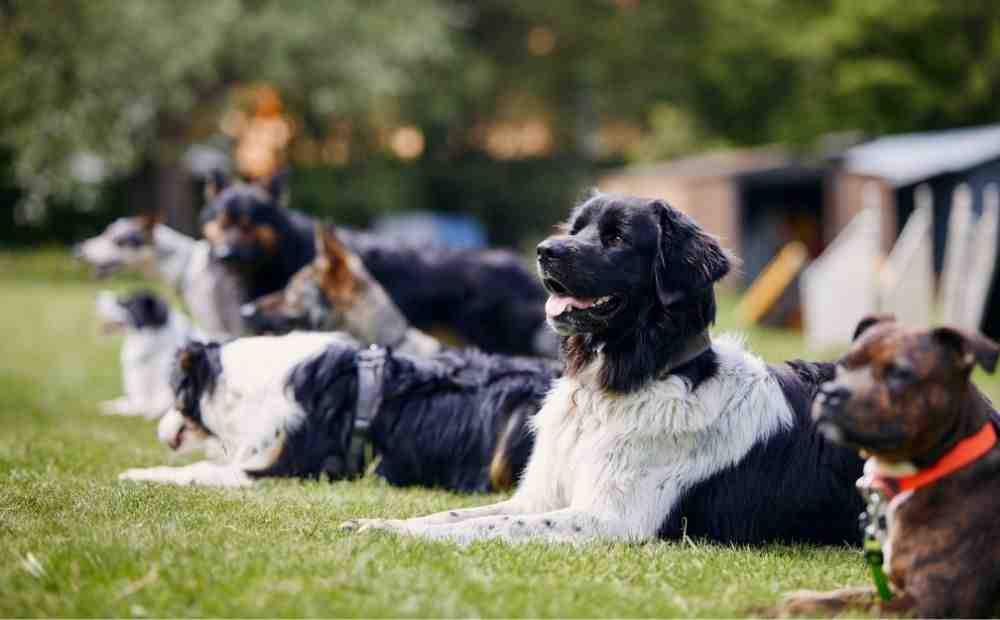
- Professional Group Classes – Structured learning with other dogs, ideal for socialization and basic obedience
- Private Lessons – One-on-one training custom to your dog’s specific needs and your schedule
- Board and Train Programs – Your dog stays with a trainer for intensive, focused learning
- Day Training – A trainer works with your dog during the day while you’re at work
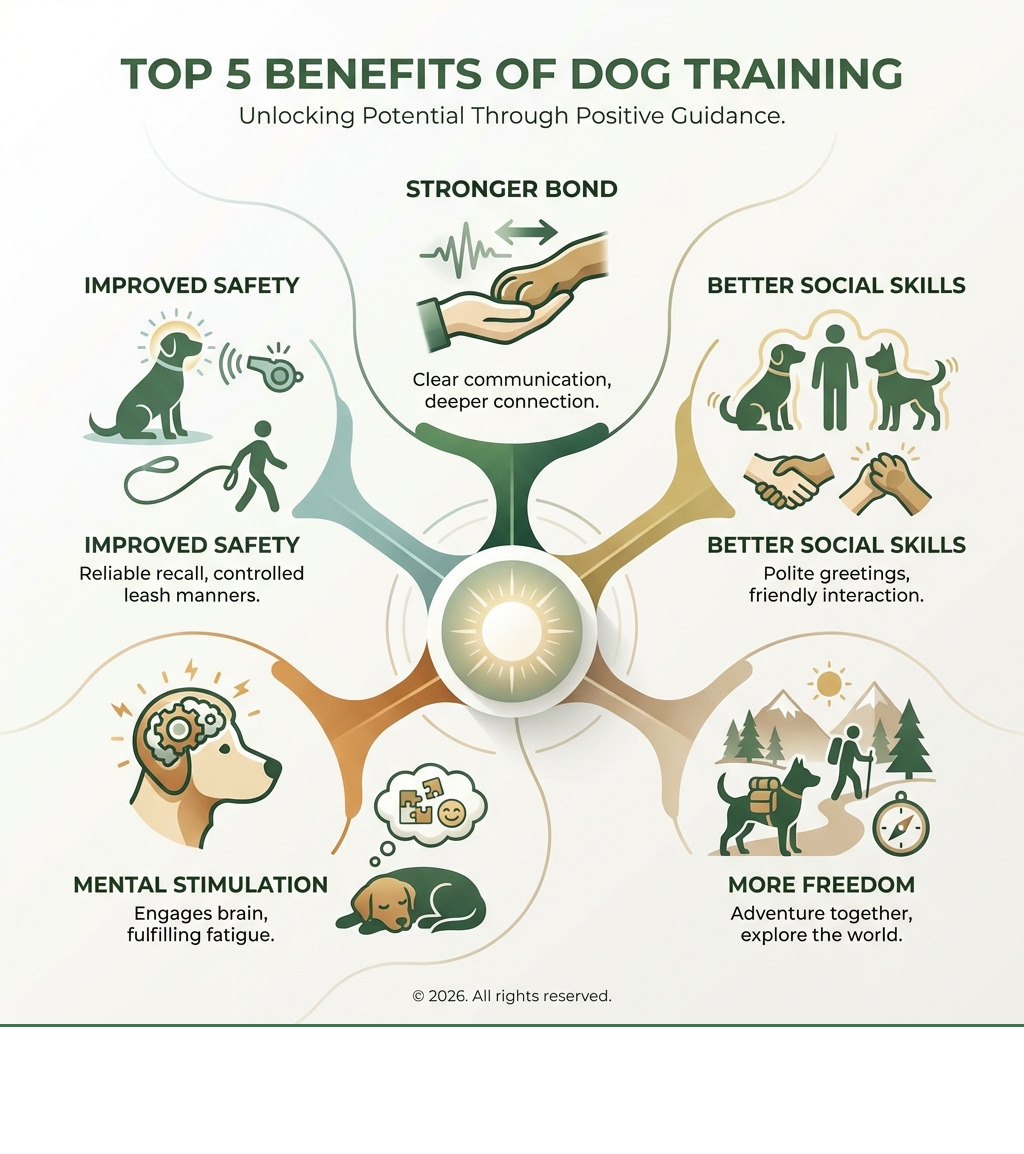
Every dog owner knows the moment when their pup just gets it. That look of understanding. That tail wag when they nail a new command. A well-trained dog isn’t just easier to live with—they’re happier, more confident, and safer in the world around them. They can join you at the coffee shop, greet your guests politely, and explore new places without pulling your arm off.
But here’s the thing: training isn’t about dominance or forcing compliance. It’s about building a common language between you and your best friend. When you and your dog can communicate clearly, you both win. You get a calm companion who listens when it counts. They get the mental stimulation they crave, the freedom to explore more of the world with you, and a stronger bond with their favorite human.
Whether you’re working on basic manners, tackling a specific behavioral puzzle, or just want to enjoy taking your dog anywhere without stress, the right training approach makes all the difference. And for Austin-area dog parents, finding a solution that fits your life—and your pup’s personality—is easier than you might think.
Quick dog training solutions definitions:
How Dogs Learn: The Simple Science Behind Training
Understanding how our furry friends learn is the first step toward effective dog training solutions. It’s not magic, it’s science! Dogs, much like us, learn through a process called operant conditioning. Think of it as trial-and-error learning, where they associate their actions with the consequences that follow. If a behavior leads to something good, they’re more likely to repeat it. If it leads to something unpleasant, they’ll try to avoid it.
The foundation of modern, humane, and effective dog training is positive reinforcement. This means we add something wonderful to our dog’s experience when they do something we like. Did your pup sit politely? Great! Here’s a yummy treat, a cheerful “good dog!”, or a quick game of tug. As the AKC explains, positive reinforcement is neither a bribe nor a gimmick; it’s based on the science of animal learning, and dogs simply increase the frequency of behaviors that have pleasant consequences. This approach teaches dogs to love training and become active participants, knowing that good things happen when they engage with us.
Rewards are a big part of this process. Rewards aren’t just about food, though a tasty treat can be a strong motivator! They can also be praise, a favorite toy, a belly rub, or even access to something your dog wants, like going outside. The key is finding what motivates your dog. What one pup finds irresistible, another might ignore. We learn to observe what makes their tail wag and their eyes light up, creating a personalized “reward menu” that keeps them engaged and eager to learn.
Consistency is another important ingredient in our training recipe. Imagine trying to learn a new language if the rules kept changing! Dogs thrive on predictability. If “sit” sometimes means “put your bottom on the floor” and other times means “jump on me for attention,” our pups get confused. Clear, consistent communication, using the same cues (words, hand signals, tone of voice) every time, helps our dogs understand exactly what we’re asking. We aim to avoid mixed signals, ensuring that our reactions to their behaviors are always predictable and helpful. This builds trust and confidence, making the learning journey smoother and more joyful for everyone.
The science behind positive reinforcement shows just how well it works. We focus on only two quadrants of operant conditioning: positive reinforcement (adding something desirable to increase a behavior) and negative punishment (taking away something desirable to decrease an unwanted behavior). This approach helps us build a strong, trusting bond with our dogs, making them partners in their learning rather than subjects.
For a deeper dive into the fascinating world of how our dogs learn, you can explore the science behind positive reinforcement. It’s all about making learning a positive and rewarding experience for our beloved companions.
Exploring Different Dog Training Solutions
Finding the right dog training solutions is a bit like finding the perfect pair of boots—it needs to fit just right for you and your furry companion! There are many paths to a well-behaved pup, and we’re here to help you steer them.
Popular Training Methods Explained
At the heart of our approach are science-based, humane methods that build trust and make learning fun. We champion Positive Reinforcement Training, where desired behaviors are rewarded, making your dog eager to repeat them. This method is incredibly effective because it focuses on teaching your dog what to do, rather than punishing them for what not to do. It’s about building a positive association with learning and with you, their favorite human!
Clicker Training is a wonderful tool often used within positive reinforcement. A small clicker makes a distinct sound, acting as a precise marker for the exact moment your dog performs the desired behavior. This clear communication helps your dog understand instantly what they did right, followed by a reward. It’s like a clear “yes!” that speeds up the learning process.
We also adhere to the LIMA principles, which stand for “Least Intrusive, Minimally Aversive.” This means we always choose the training approach that is the kindest and least stressful for your dog while still being effective. Our goal is to nurture a strong trust bond, ensuring your dog feels safe, happy, and understood throughout their training journey.
Choosing a Program Format That Fits Your Life
We understand that every family and every dog in the Austin area has unique needs and schedules. That’s why we offer a few program formats designed to fit right into your life:
- Group Classes: These are fantastic for basic obedience and, importantly, for helping your dog learn to focus on you amidst the distractions of other dogs and people. It’s also a great way for them to practice their social skills in a controlled environment.
- Private Lessons: For those seeking a more customized approach, one-on-one private lessons offer dedicated attention to your dog’s specific personality and challenges. We can work on particular behaviors, address unique needs, or simply progress at your dog’s own pace.
- Board and Train Programs: Sometimes, life gets busy, or a dog needs a more immersive learning experience. Our Board and Train Austin programs offer a focused environment where your dog lives with us, receiving consistent training throughout the day. It’s an excellent way to kickstart new behaviors or address more challenging issues.
- Day Training: Similar to Board and Train but for shorter stints, day training allows our certified trainers to work with your dog during the day while you’re at work or running errands. It’s a convenient option for busy pet parents in places like Lakeway, Spicewood, or Bee Cave, ensuring your dog gets valuable training time without disrupting your evening routine.
When considering a program, think about your lifestyle, your dog’s personality, and your training goals. Do you want to be actively involved in every step, or would you prefer a professional to lay a solid foundation? We’re here to help you assess your options and find the perfect fit.
How to find the right dog training solutions for your pup
Choosing the right training program or trainer is an important decision. It starts with assessing your dog’s unique personality and temperament. Is your pup shy or boisterous? Easily distracted or laser-focused? Their individual quirks will help guide the best approach. Next, clearly define your training goals. Are you aiming for basic manners, addressing a specific behavioral issue like barking, or preparing for advanced activities?
When looking for a trainer in the Austin area, always seek out certified professionals. Organizations like the Certification Council for Professional Dog Trainers ensure trainers meet high standards of knowledge and ethical practice. Don’t hesitate to ask questions:
- What are your training philosophies and methods?
- How do you handle specific behaviors like jumping or leash pulling?
- Can you provide references?
- What is your experience with my dog’s breed or similar temperaments?
At Pet Caddy, our certified trainers develop programs custom to your dog’s unique personality and needs, nurturing a strong trust bond between you. We believe every dog has the potential to be an incredible companion, and we’re here to help them shine.
Common Behavior Puzzles and How Training Solves Them
Even the most cherished pups can sometimes develop behaviors that leave us scratching our heads. But here’s the good news: most common dog behavior issues have effective dog training solutions! It’s all about understanding why a behavior is happening and then teaching our dogs a more appropriate, rewarding alternative.
From Jumping Beans to Polite Greetings
Does your dog turn into a jumping bean when guests arrive? This enthusiastic (but often unwelcome) greeting is a classic behavior puzzle. Dogs jump because they’re excited and want attention. The key to solving it is to teach an alternative behavior. Instead of pushing them off or yelling “down,” which can actually be perceived as attention, we teach them that a calm “sit” brings all the good things they desire. Guests can be instructed to only pet the dog once all four paws are on the floor. This consistent approach helps build default behaviors, meaning your dog will offer a polite sit instead of a jump. You can learn more about mastering this skill in our guide, From Stand to Sit: Unlocking Your Dog’s Inner Obedience Star. Managing the environment, like keeping your dog on a leash when guests first arrive, also sets everyone up for success.
Taming Leash Pulling and Excessive Barking
Walks should be enjoyable, not a tug-of-war! Leash pulling is a common frustration, often because dogs haven’t learned that a loose leash gets them where they want to go faster, or they’re simply over-excited by the world. A helpful tip for teaching your dog not to pull is to control the direction you walk in. Change direction, reverse course, and keep your dog looking to you for guidance. When they pull, we stop or change direction, making a loose leash the only way forward. For more insights into polite leash manners and other commands, our Dog Obedience Training resources can provide guidance.
Excessive barking can be another tricky issue. Dogs bark for many reasons: alert, boredom, attention-seeking, fear, or frustration. Identifying the root cause is the first step. If it’s an “alert bark” at every passerby, we can use counterconditioning to teach them that the mail carrier’s arrival predicts a yummy treat, changing their emotional response. To teach a “quiet” cue without yelling, we reward moments of silence, gradually extending the duration. When they bark, we wait for a brief quiet moment, then mark it and reward it. This teaches them that silence pays off!
Addressing Anxiety and Destructive Habits
Behavior problems often stem from unmet needs, and anxiety is a big one. Separation anxiety, for instance, isn’t defiance; it’s an emotional meltdown when a dog is left alone. Punishing destructive chewing or house soiling that occurs during separation anxiety will only worsen their distress. Instead, we use gentle methods like counterconditioning and desensitization to help them associate being alone with positive feelings. This might involve gradually increasing alone time or providing special, high-value chew toys only when you leave.
Destructive chewing and digging are often instinctual behaviors that need appropriate outlets. Instead of getting upset when your pup chews your furniture, provide a variety of approved chew toys with different textures and rotate them regularly to keep things interesting. For diggers, creating a designated “dig zone” in the yard filled with buried treasures can save your flowerbeds! Mental stimulation and enrichment are also a big help. A tired dog, both physically and mentally, is a happy dog who is less likely to engage in unwanted behaviors. Puzzle toys, training sessions, and interactive games provide vital mental workouts, especially for energetic breeds found throughout the Austin metro area.
Training Through the Ages: Puppies, Adults, and Seniors
Just like us, dogs change throughout their lives, and their training needs change with them. Fortunately, effective dog training solutions are available for every stage, ensuring a lifetime of learning and companionship.
Starting Off on the Right Paw: Puppy Training
Bringing home a new puppy is an exciting time! The period between 8 and 20 weeks old is an important window for learning about the world. During this time, positive exposure to new sights, sounds, people, and other friendly, vaccinated dogs helps shape a confident, well-adjusted adult dog. As the American Veterinary Society of Animal Behavior (AVSAB) emphasizes, early and positive exposure to new things is so important for preventing future behavioral issues.
Puppy training starts with the basics:
- House training: Consistency is key! Regular potty breaks, rewarding success, and managing their environment are crucial. Our guides like Puppy Potty Training and Potty Training Puppy offer comprehensive tips.
- Bite inhibition: Puppies naturally mouth and nip. We teach them to have a “soft mouth” by yelping when they bite too hard and withdrawing attention, then rewarding gentle play.
- Basic obedience: Simple commands like “sit,” “stay,” and “come” start building that communication foundation.
At Pet Caddy, our puppy training programs, available in locations like Marble Falls and Steiner Ranch, are designed to guide new puppy owners in properly shaping their pup’s behavior, ensuring they grow into well-behaved and confident companions.
Refining Skills with an Adult Dog
It’s a common misconception that you can’t teach an old dog new tricks! We believe it’s never too late to improve your bond and improve your dog’s manners. Adult dogs are often eager to learn, even if they come with some established habits. The benefit? Adult dogs often have longer attention spans and more self-control than puppies.
Training an adult dog focuses on:
- Overcoming established habits: Using positive reinforcement, we can replace unwanted behaviors with desirable ones. For example, redirecting a dog who jumps for attention to a polite “sit.”
- Building on basic obedience: Even if your adult dog knows commands, we can refine them, making them more reliable under distraction or at a greater distance.
- Strengthening your bond: Training sessions, especially those that are fun and rewarding, are fantastic ways to deepen the connection and trust between you and your dog, no matter their age.
Our Dog Training Complete Guide provides extensive information on working with adult dogs, helping them become even more wonderful members of your family.
What are the best dog training solutions for senior dogs?
Our wise, senior dogs deserve just as much attention to their mental and physical well-being. Training for senior dogs often focuses on keeping their minds sharp and adapting to any physical changes.
- Keeping minds sharp: Puzzle toys, short training sessions reviewing familiar commands, and learning new, simple tricks are excellent ways to provide mental stimulation. This can be just as tiring as a physical walk!
- Low-impact exercises and tricks: As joints may stiffen, we adapt physical activities. Gentle walks, swimming (if appropriate), and tricks that don’t strain their bodies, like “shake a paw” or “bow,” keep them engaged.
- Adapting commands: If your senior dog’s hearing or vision is declining, we can transition to hand signals or touch cues. Consistency here is key to helping them adjust gracefully.
- Focusing on comfort and connection: Training with a senior dog is about improving their quality of life and strengthening your cherished bond. It’s about gentle reinforcement, patience, and celebrating every small success.
Your Next Steps to a Well-Behaved Companion
The journey of training your dog is one of the most rewarding adventures you’ll start on together. It’s a continuous conversation, a deepening of understanding, and one of the best ways to forge an unbreakable bond with your best friend. From teaching a wiggly puppy the joys of a “sit” to helping an adult dog overcome a pesky habit, every step forward builds confidence, happiness, and harmony for both of you.
We understand that finding the right dog training solutions can sometimes feel overwhelming. That’s why we’re here to help! Finding professional guidance can make all the difference, helping you and your pup get on the right track with personalized support and proven, positive methods.
At Pet Caddy, serving the Austin area including Spicewood, Horseshoe Bay, and Lakeway, we believe in positive, personalized training that takes place in a low-stress environment where dogs can feel safe, joyful, and ready to learn. Our spacious 5-acre ranch, often described as a “dude ranch for dogs,” provides wide-open spaces for them to explore and play, making training feel less like work and more like an exciting game. We pride ourselves on transparent pricing with no hidden fees, and services like hands-on human interaction and all-day play are always included at no extra cost. We want your dog’s training experience to be as enriching and fun as a ranch adventure!
Ready to help your dog become a happy, confident companion for life? We’re here to guide you every step of the way.
Discover our approach to Dog Training and let’s start building that beautiful language together!