The Best Puppy Training Options, Compared
Best puppy training starts earlier than most new dog owners expect. Puppies can begin learning as young as 8 weeks old, and the window between 8 and 16 weeks is the most valuable time you’ll ever have with your pup. Miss it, and you’re playing catch-up.
Here’s a quick look at the most common training paths, so you can find the right fit for your family:
| Training Option | Best For | Key Benefit |
|---|---|---|
| In-home private training | Personalized, distraction-free learning | Tailored to your pup’s pace |
| Group puppy classes | Socialization + basic cues | Learning around other dogs |
| Ranch-based immersive training | Full-day, hands-on structure | Consistency + supervised play |
| DIY at home | Budget-conscious owners | Flexible schedule |
The short answer: The best approach combines positive reinforcement, consistent daily practice, and safe socialization before your puppy hits 16 weeks. Every pup is different, but starting early always wins.
Bringing home a new puppy is one of life’s great joys. It’s also, if we’re being honest, a little overwhelming. Between potty breaks, chewed-up shoes, and figuring out why your pup keeps jumping on every person who walks through the door, it’s easy to wonder where training even fits in.
Here’s the good news: puppies are wired to learn. Research shows the window between 6 and 16 weeks is when learning and retention are at their peak. That’s your golden window, and it goes fast. The American Veterinary Society of Animal Behavior also supports early, reward-based training and safe early social experiences for young puppies.
Whether you’re a first-time dog owner in the Austin area or you’ve been down this road before, this guide walks you through the best puppy training options, what to teach and when, and how to set your pup up for a lifetime of tail wags and good manners.
Basic Best puppy training terms:
Choosing the Right Path: The Pet Caddy Difference for Your Puppy
When you’re looking for the best puppy training in the Austin area, you’ll find plenty of options. Some folks prefer the convenience of an app, while others like the community feel of a group class at a local park in Lakeway or Bee Cave. However, we’ve found that puppies often learn fastest when they are immersed in a consistent, positive environment.
At our five-acre ranch, we offer a “home away from home” where your pup isn’t just another number. We believe in a relationship-based approach. This means we focus on building trust first. A puppy who trusts their teacher is a puppy who wants to learn.
Our ranch-based training is designed to be a ranch adventure. Instead of sitting in a sterile room, your pup gets to experience wide open spaces and supervised play. This helps them stay calm and focused during their actual learning sessions. We keep our groups small to ensure big care, and we never charge extra for the things that matter most—like hands-on human interaction and all-day play. Our pricing is transparent with no hidden fees, because we know pet parents in places like Spicewood and Steiner Ranch value honesty and reliability.
Here are a few reasons why an immersive ranch experience stands out:
- Consistent Learning: We provide daily, structured training in a dedicated, distraction-managed environment. This prevents the “one step forward, two steps back” feeling that often happens with once-a-week classes.
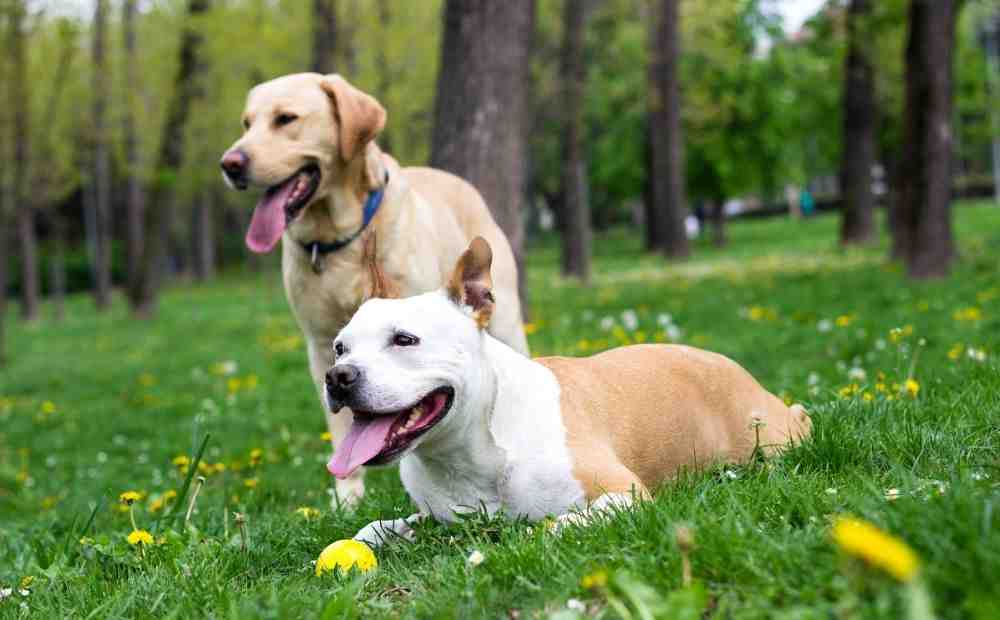
- Doggy Daycare: We offer safe, tailored play in small groups. This fosters positive interactions with other dogs under the watchful eye of our experienced team.
- Hands-On Care: Your puppy receives constant human interaction and guidance. We make sure they feel loved and secure, just like they do at home.
- Building Strong Foundations: By focusing on the bond between dog and human, we set your puppy up for a lifetime of good manners and clear communication.
If you’re ready to see how a structured environment can jumpstart your pup’s progress, you can explore our Dog Training options to find the perfect fit.
The Foundation: Cues and Life Skills
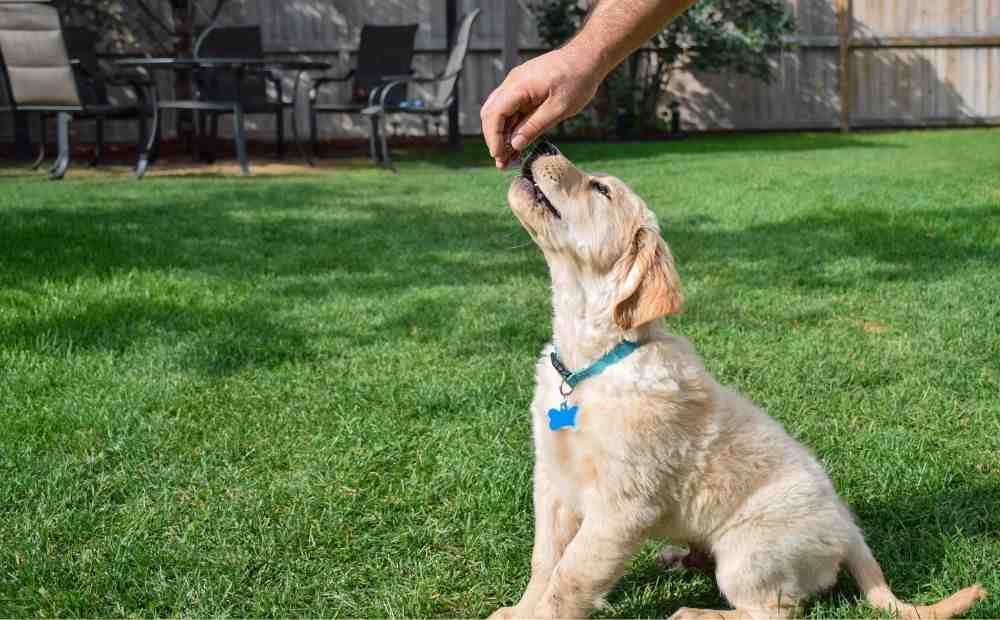
The heart of the best puppy training is positive reinforcement. This isn’t just about giving out treats; it’s about rewarding the choices you want your puppy to make again. When a puppy realizes that sitting politely earns them a piece of kibble or a “good boy,” they are much more likely to repeat that behavior than if they were scolded for jumping.
We use a few main techniques to teach new skills:
- Luring: We use a high-value treat to guide your puppy’s nose into the position we want (like moving a treat over their head to encourage a sit).
- Capturing: This is simply waiting for your puppy to do something naturally—like lying down to rest—and then rewarding them the second it happens. It’s a great way to teach them that being calm is a winning strategy.
- Redirecting: Instead of saying “no” when a puppy chews a shoe, we gently swap the shoe for a favorite toy. This teaches them what to chew, rather than just telling them what not to do.
Teaching these life skills is about more than just “tricks.” It’s about helping your dog navigate the human world safely. For those looking to go beyond the basics, our Basic Obedience Training focuses on these core behaviors to ensure your pup is a joy to live with.
The Best Puppy Training Cues to Teach First
While it’s tempting to want to teach your pup to “roll over” or “high five,” there are five essential cues that every puppy should master first. These are the building blocks for safety and politeness.
- Sit: This is the “please” of the dog world. We teach puppies to sit before they get their dinner, before we open the door for a walk, and before they get pets. It’s the ultimate impulse-control tool.
- Stay: This keeps your pup safe. Whether you’re unloading groceries or someone is at the door, a solid stay prevents bolting. We start with just a few seconds and gradually add distance and time.
- Come (Recall): This is perhaps the most important safety cue. We make “come” a game! When your puppy runs to you, it should always result in the best rewards—treats, praise, or a favorite toy. We never use this cue to call a dog for something they don’t like (like a bath), or they’ll learn to ignore it.
- Down: Lying down is a relaxed position. It’s harder for a puppy to get into trouble or jump on guests when they are lying down.
- Loose Leash Walking: Walking in Horseshoe Bay or Marble Falls is much more pleasant when your pup isn’t pulling your arm off. We reward them for staying by our side and keeping the leash slack.
- Release Word: Words like “okay” or “free” tell your puppy when the job is done. This helps them understand exactly how long they need to hold a “stay” or “sit.”
Building Habits with the Best Puppy Training Schedule
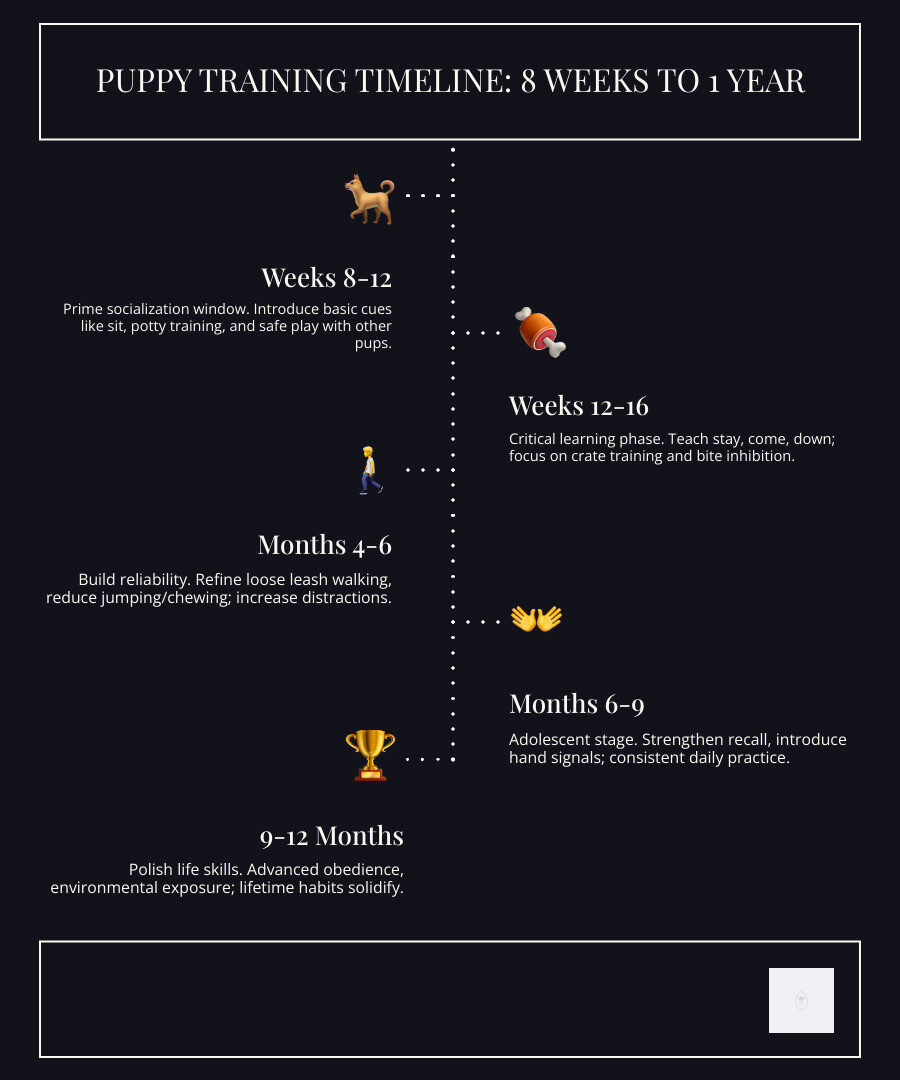
A schedule provides the structure puppies crave. Without it, they often come up with their own (usually destructive) ways to spend their time. Here is a general timeline we recommend for the best puppy training results:
8-16 Weeks: The Golden Window This is the time for “smart socialization.” It’s not just about meeting every dog in Austin; it’s about calm exposure to new sights, sounds, and surfaces. This is also when you start potty training and crate training.
- Potty Training Tip: A good rule of thumb is that a puppy can hold their bladder for one hour for every month of age, divided by two. So, a two-month-old pup may need a break every hour.
- Crate Training: The crate should be a happy place, a “den” where they feel safe. We use stuffed toys and soft bedding to make it inviting.
6 Months: The Teenage Phase Around this time, you might notice your puppy “forgetting” things they used to know. This is normal! Stay consistent. This is the time to reinforce those basic cues in busier environments, like a local park. We also focus on preventing common habits like biting, chewing, and jumping.
1 Year: Mastery and Beyond By one year, your dog should have a solid foundation. Now you can work on Advanced Obedience Training or even fun dog sports. The key is to keep it fun and keep practicing. Training is a lifelong journey that strengthens your bond.
Learning the Ropes: Safety in the Austin Area
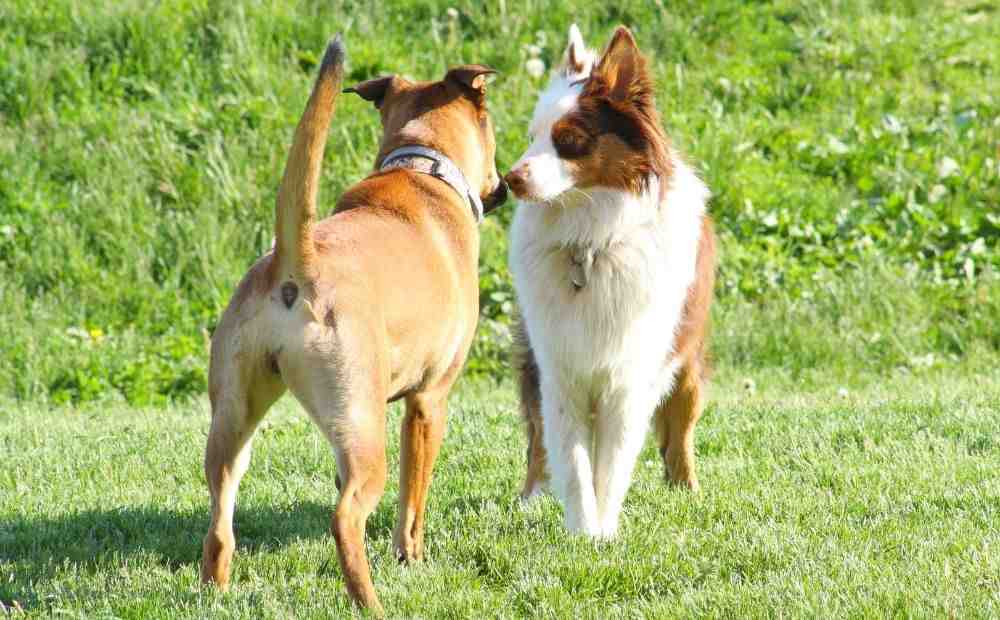
Socialization is often misunderstood. Many folks think it means their puppy needs to play with every dog they see. In reality, the best puppy training includes teaching your dog to be calm and neutral around other dogs and people.
The critical socialization window ends around 16 weeks. During this time, we want to give puppies positive sensory experiences. This might include walking on different surfaces like gravel or grass, hearing the sound of a lawnmower from a safe distance, or seeing people wearing hats or carrying umbrellas.
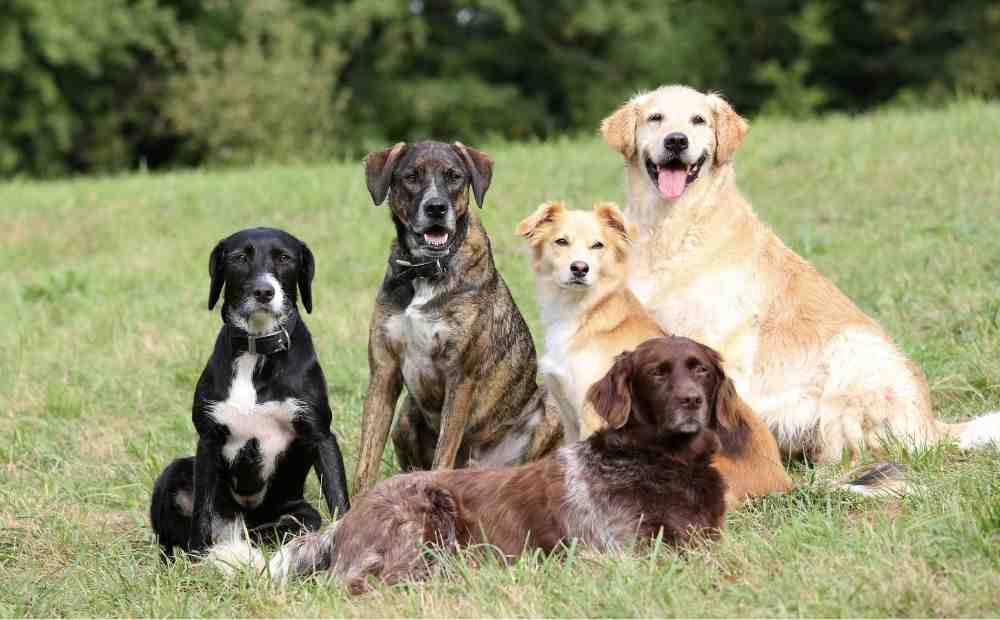
At Pet Caddy, we offer doggy daycare. We provide tailored play in small groups where we match puppies by size and temperament. This ensures that a shy pup isn’t overwhelmed by a boisterous one. Our five-acre ranch provides plenty of room for these interactions to happen naturally.
Safety is our top priority. We require all pups to be up-to-date on their vaccinations before joining our group activities. For puppies under four months, we focus on safe, controlled environments to protect their developing immune systems while still giving them the social “language” they need to grow into confident adults. If you’re looking for a safe place for your youngster to learn the ropes, our Puppy Training programs are a great place to start.
Frequently Asked Questions about Puppy Manners
Is it ever too late to train an older dog?
Not at all! While the 8-16 week window is the easiest time for a dog to soak up new information, dogs are capable of learning at any age. Whether you’ve adopted an older pup or your adult dog has developed some “creative” new habits, positive reinforcement works. It might take a little more patience to undo old patterns, but the “you can’t teach an old dog new tricks” saying is simply not true.
How do I stop my puppy from nipping and jumping?
Nipping and jumping are natural puppy behaviors—they are how pups play with their littermates. To stop it, we use redirection. If your pup nips, immediately offer a toy. If they jump, wait for them to have “four on the floor” or ask for a “sit” before giving them any attention. Puppies do what works. If jumping gets them pets, they’ll keep doing it. If sitting gets them pets, they’ll choose that instead.
How long should a training session last?
Puppies have very short attention spans—think of them like toddlers! We recommend keeping formal sessions to 5-10 minutes. You can do this two or three times a day. It’s much better to have three successful five-minute sessions than one frustrating twenty-minute session. We like to end every session on a high note with a success, so your puppy walks away feeling like a superstar.
Conclusion
At the end of the day, the best puppy training is the one that fits your life and builds a lasting bond with your new best friend. Whether you are in Barton Creek, Hudson Ranch, or right here in Austin, your puppy deserves a solid start.
At Pet Caddy, we strive to provide that “like home” feeling where your pup can enjoy a ranch adventure while learning the skills they need. With wide open spaces for play, small groups for safety, and plenty of hands-on care, we treat every dog like a member of our own family. We believe that training should be a joyful experience for both you and your pup.
If you’re ready to start your puppy’s journey toward being a well-behaved companion, we’d love to help. From our spacious five-acre grounds to our dedicated team of dog lovers, we offer a stress-free environment where your pup can truly thrive. Schedule your pup’s stay with us today and let the tail wags begin!