Your Dog Is Smarter Than You Think – Here’s How to Prove It
Specialty & Advanced Dog Training is the step after your dog has the basics down – sit, stay, come. It focuses on real-world reliability, off-leash freedom, distraction-proofing, and specialty skills like scent work, therapy prep, or agility.
Here’s a quick look at what it covers:
- Who it’s for: Adult dogs, rescue dogs, and high-energy breeds ready to move beyond basic obedience
- What dogs learn: Off-leash recall, distance commands from 30+ feet, impulse control, public manners, and task-specific skills
- Formats available: Board & train, private lessons, and group classes
- How long it takes: Programs often run 4 to 8 weeks, depending on your goals
- What it costs: Many programs range from about $4,000 to $9,000, depending on length and depth
- Specialty paths: Therapy dog prep, scent detection, agility, rally, and AKC Canine Good Citizen work
Your dog was built to learn. Many breeds were developed to do a job – herding, hunting, guarding, retrieving. When that drive has nowhere to go, you may end up with a dog who digs up the yard, barks at the fence, or bowls over your guests.
Advanced training gives that energy somewhere useful to go.
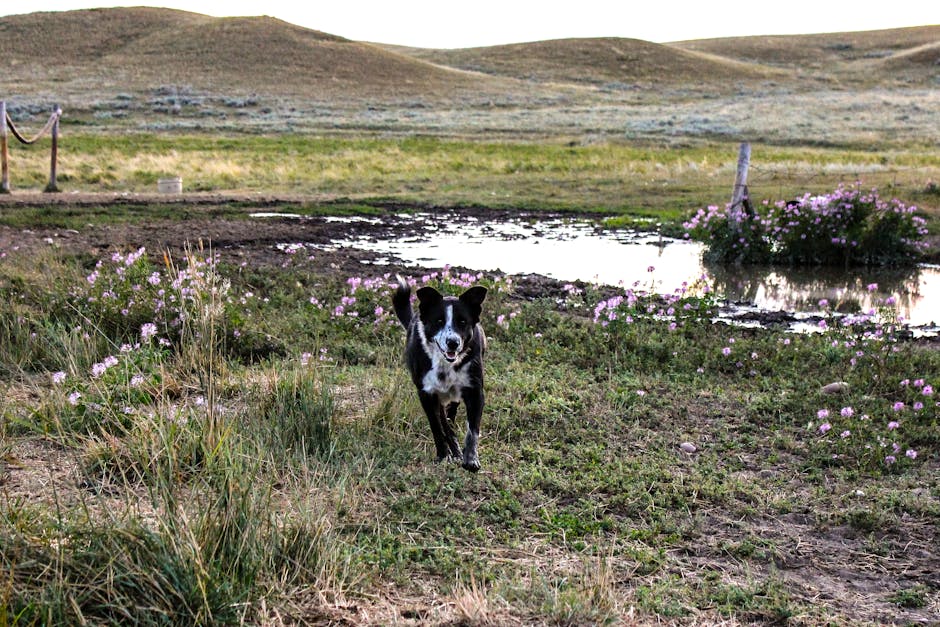
Here at Pet Caddy, we believe dogs learn better in Wide Open Spaces than in a plain training room. Out on the ranch, with room to move, everyday distractions to practice around, and Hands-On Care all along the way, dogs can settle in and learn in a way that feels natural.
No hidden fees. No dogs sitting in small Kennels all day. Just Tail Wags, steady progress, and a Like Home experience for Austin-area families.

Beyond the Basics: What is Specialty & Advanced Dog Training?
When we talk about taking your dog’s education further, we are not talking about a quicker “sit.” We are talking about a fuller, steadier way for your dog to move through the world with you. Specialty & Advanced Dog Training goes beyond the quiet classroom and into real life – the busy patio, the trail, the front door when guests arrive.
Basic training is like learning the alphabet. Advanced training is learning how to use those skills anywhere, whether you’re out for dog training in Lakeway, hiking near Spicewood, or walking through Bee Cave. This level of work leans heavily on advanced obedience training, where cues should be followed the first time, even when life gets noisy.
Defining Specialty & Advanced Dog Training
This kind of training usually rests on four main ideas: behavioral generalization, critical thinking, sensory experience, and real-world practice.
- Behavioral Generalization: A dog may hold a perfect “stay” in your kitchen, but can they do it while a squirrel zips by at the park in Horseshoe Bay? Advanced training teaches the dog that “stay” means the same thing everywhere.
- Critical Thinking: Instead of waiting to spot a treat, the dog starts to work through the situation and understand what the cue means.
- Sensory Experiences: Dogs learn with their whole bodies. New surfaces, sounds, smells, and settings help build confidence. That is one reason our ranch setting works so well.
- Real-World Application: This is where we proof the skill. We practice the kinds of moments families actually deal with, from door greetings to traffic noise to passing bikes.
Common Goals for Specialty & Advanced Dog Training
Every family has a little different picture of success, but most advanced goals fall into a few familiar buckets. Many pet parents want distance commands – being able to ask for a “down” or “sit” from 30 or 50 feet away. That is not just fun to show off. It can be a big safety help if a dog slips a collar near a road.
Impulse control is another common goal. That means your dog can ignore a dropped snack or a rolling ball until released. Public manners matter too, especially for folks who want a calm companion for patios, shops, or neighborhood walks. For sporting breeds, advanced work may also include training for hunting pointers, helping sharpen instincts while keeping good manners in place.
It is steady work. But it is good work. And for plenty of dogs, it is a happy kind of Ranch Adventure.
Is Your Dog Ready for the Next Level?
You might think advanced training is only for dogs who started young, but that is not the case. Many dogs in intensive programs are adults, and plenty are rescues. Whether you have raised your dog from eight weeks old or recently welcomed home a shelter dog, it is not too late to begin a Specialty & Advanced Dog Training program.
Adult dogs and rescue dogs often come with habits already baked in – pulling on the leash, charging the door, jumping on company, or tuning out when excitement kicks up. Advanced programs can help with those habits by giving dogs clear structure, steady repetition, and calm Hands-On Care. That kind of consistency often helps shy or reactive dogs grow more confident too.
Prerequisites for Enrollment
Before jumping into advanced work, most dogs need a basic foundation. While every dog is different, many programs look for:
- Basic Obedience: Your dog should know sit, down, stay, come, and heel, even if those skills still need polishing around distractions.
- Leash Manners: They should be able to walk without frantic pulling the whole time.
- Social Stability: Your dog does not need to love every person or every dog, but they should be able to be around others without severe fear or aggression.
- Age Requirements: Many adult-dog specialty programs begin around 8 months of age, once a dog has a little more physical and mental maturity.
Identifying High-Drive Candidates
Some dogs do not just enjoy advanced training – they seem to ask for it. These are often working and sporting breeds such as Malinois, Border Collies, German Shepherds, and Labs. If your dog is always looking for a task, trailing you from room to room, or inventing work like “guarding” the window or “herding” the vacuum, that is a clue.
These dogs need more than a long walk. They need mental work, clear direction, and a job that makes sense to them. Without that, boredom can lead to chewing, barking, pacing, or backyard remodeling. A little landscaping project of their own. Not ideal.
The good news is that advanced training can channel that energy into something useful and fun, whether that means scent work, agility, or dependable off-leash manners for dog training in Austin and the surrounding hill country.
Mastering the Skills: What Happens in Advanced Programs?
The move from basic to advanced training is where dogs start working with you as a team, not just for the chance of a cookie. One big milestone is distance-based commands. Picture your dog 30 feet away, nose deep in a bush, and you ask for a “down.” In an advanced program, the goal is a prompt, dependable response.
We also work on emergency stops. This is a high-level safety skill that can help stop a dog mid-stride if they are headed toward trouble.
Off-Leash Freedom and Safety
For many Austin-area families, the dream is safe off-leash reliability. Whether you are out on trails near Barton Creek or relaxing in your own backyard, you want to know your dog will stay connected to you without a leash in hand.
To build that, training often includes:
- Boundary Training: Teaching where the dog can go and where they need to stop
- Trail Manners: Helping your dog stay near you and ignore hikers, bikes, and other distractions
- City Walking: Keeping a close heel even without a leash
For more on how these skills come together, you can read about mastering advanced skills.
Distraction-Proofing in the Real World
Distraction-proofing is a big part of Specialty & Advanced Dog Training. Dogs do not live in a bubble, so training should not happen only in one quiet corner. On our ranch, dogs practice around the kinds of distractions families run into every day, with Supervised setups and calm guidance.
A session might begin with another trainer walking by with a dog. Then we may add a bike, a stroller, or someone bouncing a basketball. We also work on car safety – teaching a dog to wait inside the vehicle, even with the door open, until released. That kind of patience and impulse control is what helps advanced skills hold up in everyday life.
| Skill | Basic Obedience | Advanced Training |
|---|---|---|
| Recall | Comes when called in the house | Immediate return from 50+ feet with distractions |
| Stay | Stays for 30 seconds while you watch | Stays for 10 minutes while you are out of sight |
| Heeling | Walks near you on a loose leash | Stays in position off-leash through crowds |
| Impulse Control | Waits for a dinner bowl | Ignores a running cat or dropped food |
| Distance | Commands work within 5 feet | Commands work from 30+ feet away |
Choosing the Right Format for Your Lifestyle
How you train matters almost as much as what you train. Around Austin, most families look at three main options: private lessons, group classes, and board & train. Each has a place, but for advanced work, the right fit often depends on your schedule, your dog’s needs, and how much daily practice you can manage at home.
Group classes can help with social exposure and working around distractions. Private lessons offer one-on-one help for specific goals. For families looking for more structure and faster progress, many consider a board and train in Austin. That setting gives dogs a steady routine, lots of practice, and a ranch-style stay that feels more Like Home than a row of small Kennels.
The Benefits of Immersion Training
Immersion training, often called board & train, gives dogs the chance to practice good habits all day instead of only during a short lesson. The biggest advantage is consistency. Dogs learn faster when every interaction supports the same rules and expectations.
At Pet Caddy, that structure comes with room to breathe. Dogs are not tucked away in small spaces all day. They get Supervised time in Wide Open Spaces, Tailored Play, and steady Hands-On Care from people who know them well. It is our version of a Ranch Adventure – Small Groups, Big Care, plus daily updates so families can follow along from home.
Understanding Program Costs
We believe pricing should be clear. Families already worry enough about kennel stress, overcrowding, and surprise add-on fees. For advanced training, the cost usually reflects the length of the stay, the complexity of the goals, and any specialty work included.
Typical price ranges for advanced programs in the area are:
- Intermediate/Advanced (4-6 weeks): Often around $4,000 to $6,500
- Elite Advanced (8+ weeks): Often around $8,000 to $9,000 or more
Those numbers can shift based on whether your dog is working on off-leash hiking manners, therapy prep, or another specialty track. Follow-up coaching also matters, because the goal is not just a polished dog at the ranch. The goal is a dog who comes home and keeps those good habits with your family.
Specialized Paths: From Therapy Work to Scent Detection
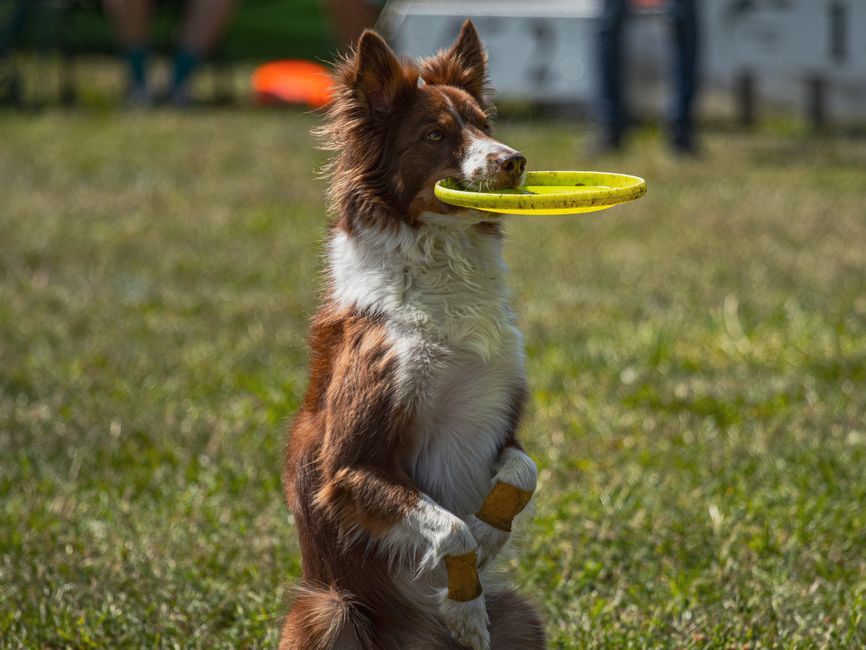
Once your dog has the “advanced” part down, you can move into the “specialty” part. This is where you get to have some serious fun! Specialized training gives your dog a specific outlet for their breed’s natural drives. Whether it’s the nose-work of a Beagle or the agility of a Border Collie, there is a path for every pup.
Therapy and Service Prep
Many owners dream of their dog becoming a therapy dog—visiting hospitals in Marble Falls or schools in Hudson Ranch to provide comfort. This requires a very specific set of skills. A therapy dog must have impeccable public access manners, remain calm during clumsy greetings, and be unfazed by medical equipment like wheelchairs or walkers.
Advanced programs can prepare you for evaluations from organizations like Pet Partners. This involves training the dog to ignore “street treats,” stay calm when petted by multiple people at once, and maintain a “leave it” command even in high-stress environments.
Fun and Games: Scent Work and Agility
If you want to keep your dog physically and mentally sharp, sports are the way to go.
- Scent Work: This taps into the dog’s most powerful sense. They learn odor recognition and how to “alert” you when they find a specific scent. It’s an incredible way to tire out a high-energy dog.
- Agility: This is like an obstacle course for dogs. They learn to navigate tunnels, weave poles, and jumps. It builds massive confidence and physical fitness.
- AKC Fetch & Rally: These are newer competitive titles that focus on retrieving skills and a “follow the leader” style of obedience that is fun and motivational.
Maintaining the Magic at Home
What matters most in any training program is not only what happens on the ranch – it is what happens once your dog comes home to Lakeway, Steiner Ranch, or anywhere else around the Austin area. Advanced training is not a one-and-done deal. Dogs need clear follow-through, and owners need coaching so everyone stays on the same page.
That is why we include hands-on lessons for families. You should feel comfortable handling your dog’s new skills, using the same cues, and responding calmly if a setback pops up. For dogs with bigger behavior concerns, we also offer behavior modification for aggressive dogs with safety and long-term reliability in mind.
Success Stories from the Ranch
Over the years, we have seen rescue dogs come in unsure, reactive, or written off as stubborn and leave as calm companions ready for everyday adventures. We have also worked with independent-minded breeds like French Bulldogs and Huskies who did better once training was paired with space to move, Supervised activity, and plenty of human connection.
That is one reason the ranch setting helps. Dogs get structure, but they also get room to breathe. They are not sitting in Kennels all day, and they are not lost in a crowded setup. They get Small Groups, Big Care, daily routines, and a Like Home environment that helps learning stick.
Certifications to Aim For
If you like having a goal on the calendar, there are several recognized titles that pair well with advanced training:
- AKC Canine Good Citizen (CGC): A well-known manners test for everyday dogs
- Urban CGC (CGCU): A city-based version that tests manners in busier settings
- Trick Dog Titles: A fun way to show off learned skills and teamwork
When choosing a program, it helps to work with a trainer who understands these standards and can guide you toward the right fit for your dog. If your pup has a few extra hurdles, our guide on choosing an aggressive dog trainer may help you know what to look for.
Frequently Asked Questions about Specialty & Advanced Dog Training
Can an older rescue dog participate in advanced training?
Absolutely! “Old dogs” certainly can learn new tricks. In fact, many older rescues thrive in advanced programs because they appreciate the clarity and structure. As long as the dog is healthy and mobile, they can benefit from the mental stimulation and bond-building that comes with higher-level work.
How long does it take to achieve off-leash reliability?
While every dog is different, most professional trainers recommend a minimum of 4 to 8 weeks of intensive immersion training to achieve true off-leash reliability. This allows enough time to “proof” the behaviors in multiple environments and ensure the dog is listening out of habit, not just because they see a treat.
What is the difference between balanced and positive-only methods in advanced work?
This is a common question for pet parents. Positive-only training focuses exclusively on rewarding good behavior. While we love rewards, advanced work often requires a “balanced” approach. This means we use plenty of praise and treats for the right choices, but we also provide clear, fair boundaries so the dog understands what behaviors are not acceptable. You can learn more about this in our article on force-free vs balanced training.
Conclusion
Specialty & Advanced Dog Training is about more than polished commands. It is about giving your dog the freedom to live a fuller life with you – whether that means better manners at home, calmer outings around Bee Cave, or safer off-leash adventures near Barton Creek Lakeside.
At Pet Caddy, we are proud to be a locally owned Austin-area business offering a Like Home setting with Wide Open Spaces, Hands-On Care, and Small Groups, Big Care. On our five-acre ranch, dogs get room to move, learn, and settle in without spending the day shut away in small Kennels. It is dog training with a little Ranch Adventure mixed in, and plenty of Tail Wags along the way.
If you are ready to help your dog build steady, reliable skills, Schedule your pup’s advanced training today.