Stop Puppy Nipping: Start With Calm, Clear Boundaries
Stop puppy nipping by calmly ending attention when teeth touch skin, redirecting your puppy to a safe chew or tug toy, and rewarding gentle, calm behavior. Avoid pulling your hands or feet away fast, yelling, or rough play, since these reactions can make the game more exciting.
Puppies explore, play, and soothe sore gums with their mouths. Those tiny teeth can feel like a mouthful of needles, but nipping is usually a normal part of growing up, not a sign that your puppy is mean.
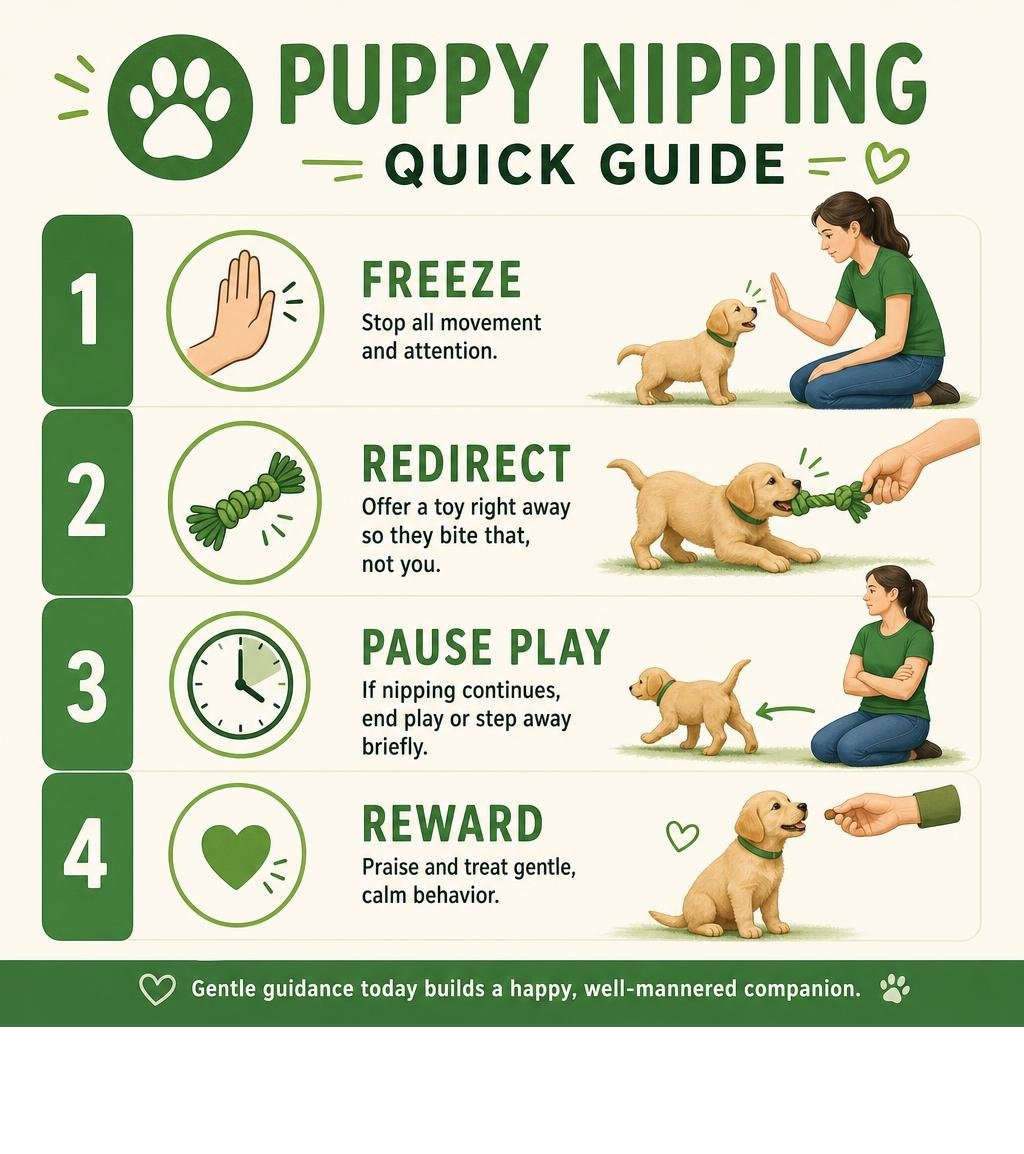
- Freeze when your puppy nips. Moving hands, feet, or pant legs can trigger chase-and-grab play.
- Offer a toy right away so your puppy learns what is okay to bite.
- Pause play or step away briefly if biting continues.
- Watch for tiredness and overstimulation. Puppies often need 14 to 20 hours of sleep each day.
- Get help early if bites are hard, frequent, linked to fear, or come with a stiff body, growling, or guarding.
For Austin-area families, a puppy’s need for safe play and rest does not stop when work or travel calls. Pet Caddy is locally owned and operated, with Wide Open Spaces on a 5-acre ranch and Supervised, Tailored Play in Small Groups, Big Care settings.
I’m James Turner, and the next sections will help you read your puppy’s behavior and build gentler mouth manners one small step at a time.
Stop puppy nipping further reading:
Why Puppies Bite and How Long the Nipping Stage Lasts
When a new pup comes home, those razor-sharp teeth seem to find everything: hands, ankles, rug corners, and shoe laces. To guide your puppy toward gentle manners, it helps to understand why they use their teeth so constantly in the first place.
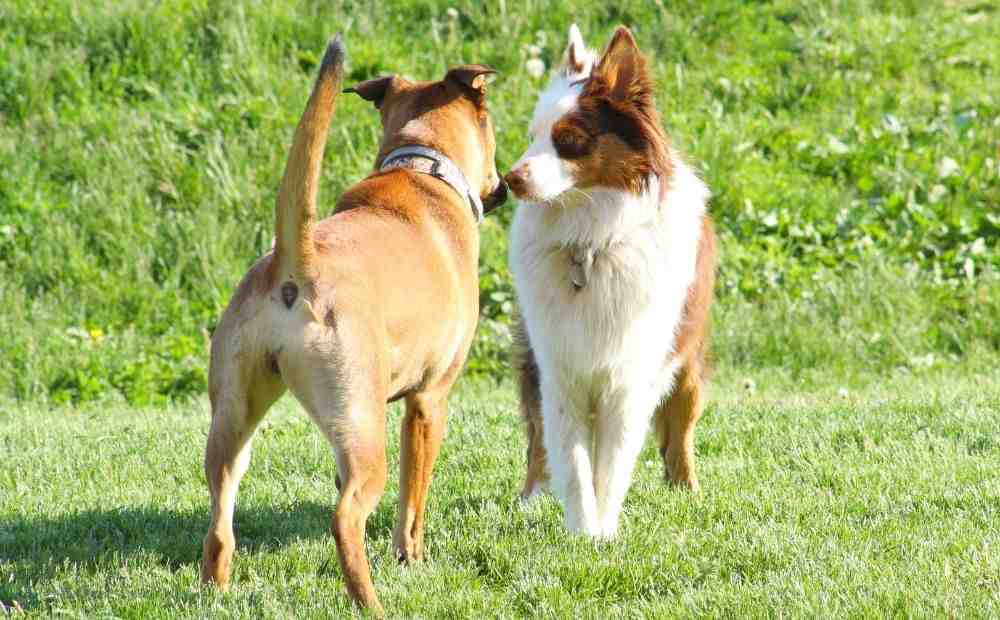
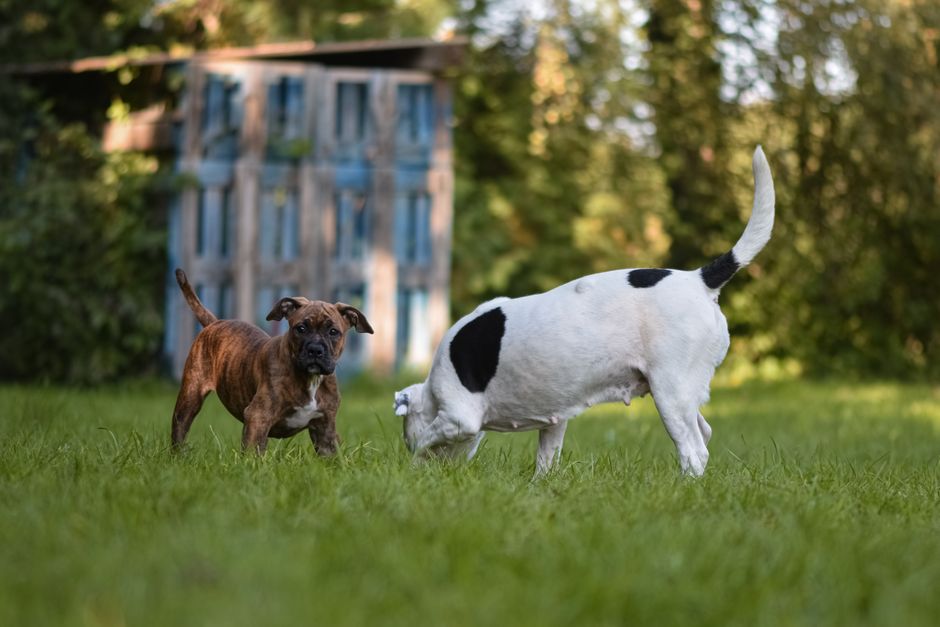
Puppies do not have hands with fingers to hold objects or explore their world. Their mouth is their primary tool for sensory exploration. They taste, feel, and test the texture of everything in their environment. When playing with brothers and sisters, nipping is how young dogs initiate play, practice physical coordination, and test social limits.
According to guidelines on Mouthing, Nipping and Biting in Puppies | ASPCA, mouthing is standard behavioral development. However, because human skin is far softer than dog fur, owners need to teach their young companions how to use their jaws safely around people.
Understanding Mouth Exploration and Teething
Teething plays a massive role in how frequently a puppy nips. Puppies are born without teeth, but their temporary baby teeth (often called milk teeth) begin erupting around two weeks of age. By six to eight weeks, puppies have 28 needle-sharp baby teeth.
Between three and four months of age, those baby teeth begin to loosen and fall out to make room for 42 permanent adult teeth. As adult teeth push through the gums, young dogs feel discomfort and aching pressure in their jaws. Chewing and nipping press down on sore spots, offering temporary physical relief.
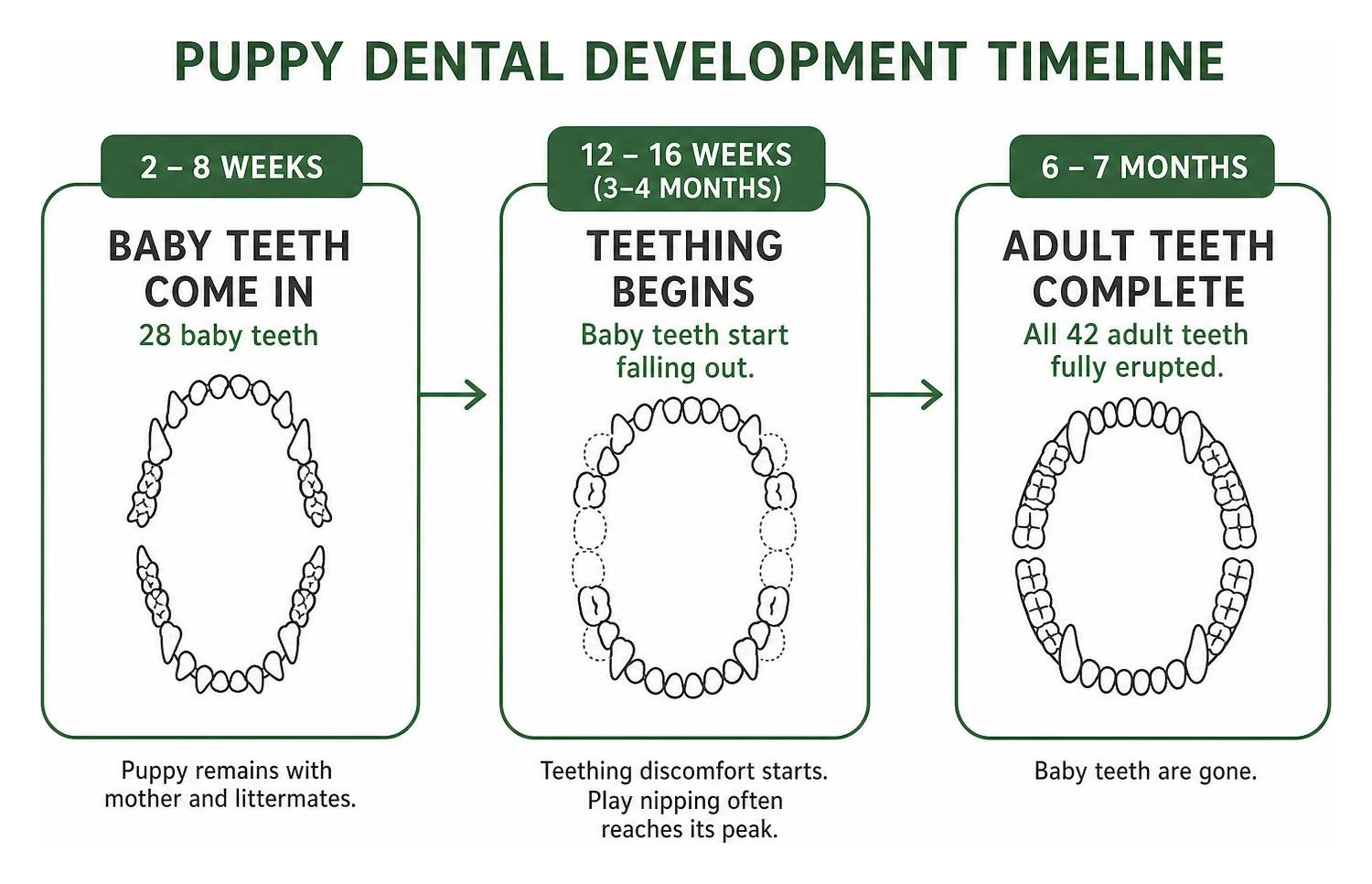
Here is a quick look at the typical mouth development timeline:
- 2 to 8 Weeks: 28 baby teeth come in while the puppy remains with the mother and littermates.
- 12 to 16 Weeks (3–4 Months): Baby teeth start falling out. Teething discomfort starts, and play nipping often reaches its peak.
- 6 to 7 Months: All 42 adult teeth should be fully erupted, and baby teeth are gone.
On average, the intense nipping stage lasts between three and six months. With consistent practice and proper redirection, most dogs naturally outgrow excessive nipping once their full set of adult teeth is firmly in place by six or seven months of age.
Playful Nipping vs. Aggressive Biting
It is common for pet parents to worry that a mouthy puppy is showing early signs of aggression. Fortunately, genuine aggression in young puppies is rare. Most painful bites stem from playful excitement, fatigue, or frustration.
Learning to read your puppy’s body language will help you respond appropriately:
- Playful Nipping: The body is loose, wiggly, and bouncy. The face looks soft or “playful,” with ears in a neutral position. The puppy may bow down on their front elbows, chase feet, or make brief, light grabs with their mouth before bouncing away.
- Temper Tantrums: When overstimulated or tired, a puppy may display a temper tantrum. Body language becomes stiff. The puppy may freeze, pull their lips back to expose teeth, growl at a higher pitch, and deliver repeated, hard bites.
- Fear or Defensive Biting: The puppy shrinks back, tucks their tail, flattens their ears against the head, or shows the whites of their eyes (whale eye) before biting defensively.
If your pup displays relaxed, loose body movements, you are dealing with standard play mouthing that can be managed with daily guidance. Detailed behavior guidance can also be found at Nipping in Puppies | Animal Health Topics / School of Veterinary Medicine.
What Is Bite Inhibition and Why It Matters
Bite inhibition refers to a dog’s ability to control the amount of pressure their jaws exert when mouthing. A dog that has developed proper bite inhibition understands that human skin is delicate. Even if they place their mouth on a person during play, excitement, or a sudden scare, they will refrain from clamping down or breaking skin.
Teaching bite inhibition early is one of the most valuable lessons you can offer your pet. If an adult dog ever gets injured, startled, or frightened later in life, a dog trained in bite inhibition will instinctively soften their mouth pressure rather than inflict a serious injury. Understanding how dogs process boundaries forms the bedrock of proper Behavior Training for Dogs: What It Is and How to Get Started.
Teaching Gentle Jaw Pressure First
A common mistake is trying to eliminate all skin contact instantly on day one. When a young puppy is forced to stop mouthing entirely without learning mouth softness first, they miss out on learning jaw pressure control.
Instead, we recommend a clear, two-phase training process:
- Phase 1: Force Reduction (Soft Mouth): Teach the puppy that hard or moderate pressure is unacceptable. Allow soft, gentle mouth contact initially, but immediately end play when pressure feels uncomfortable or sharp. Teach a cue like “gentle” by rewarding soft licks or subtle touches while withholding treats when teeth press against your fingers.
- Phase 2: Frequency Reduction (No Teeth on Skin): Once your dog reliably uses a soft mouth and never clamps down hard, begin reducing the frequency of mouthing altogether. Transition the rule so that any teeth touching human skin ends the interaction.
This sequential approach helps build a reliable “soft mouth” habit for life.
How Littermates Teach Force Control
In a natural litter setting, puppies learn initial bite control from their mother and littermates long before going to their forever homes.
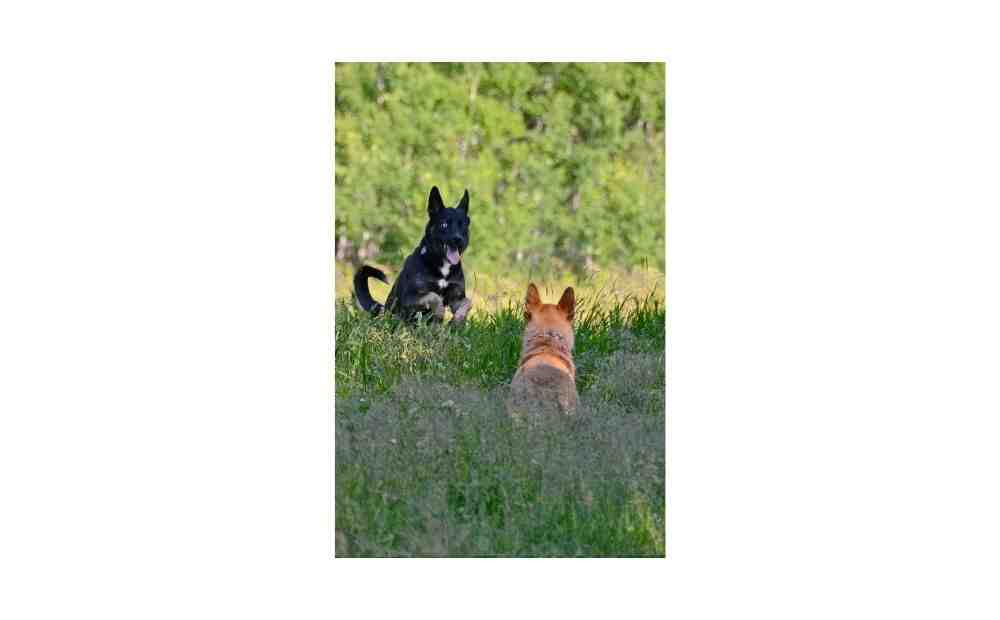
When puppies wrestle, one pup might get overly excited and bite a littermate too hard. The bitten puppy lets out a sharp, high-pitched yelp and immediately stops playing, stepping away. This sudden loss of a playmate teaches the biter that hard teeth end all fun.
Puppies learn more about bite control through one hour of play with other puppies than from dozens of hours of isolated human training. Structured group play lets puppies test feedback in real time with peers who speak their exact language. If you are near Austin, explore local options for structured interactions through our guide on Austin puppy classes and group play.
Step-by-Step Techniques to Stop Puppy Nipping
To stop puppy nipping consistently, everyone in your household must follow the same playbook. Consistency prevents confusion and sets clear behavioral boundaries.
How to Stop Puppy Nipping with Toy Redirection
Redirection is your first line of defense against everyday nipping. Rather than simply telling your dog “no,” show them what they can bite.
- Keep Toys Within Reach: Place non-contact toys, like plush ropes, rubber chew rings, or soft tug toys, in every room where your puppy hangs out.
- Make the Toy Dynamic: A stationary toy on the floor is boring compared to your moving hands or swinging shoe laces. Twirl or drag a toy along the floor to make it look alive.
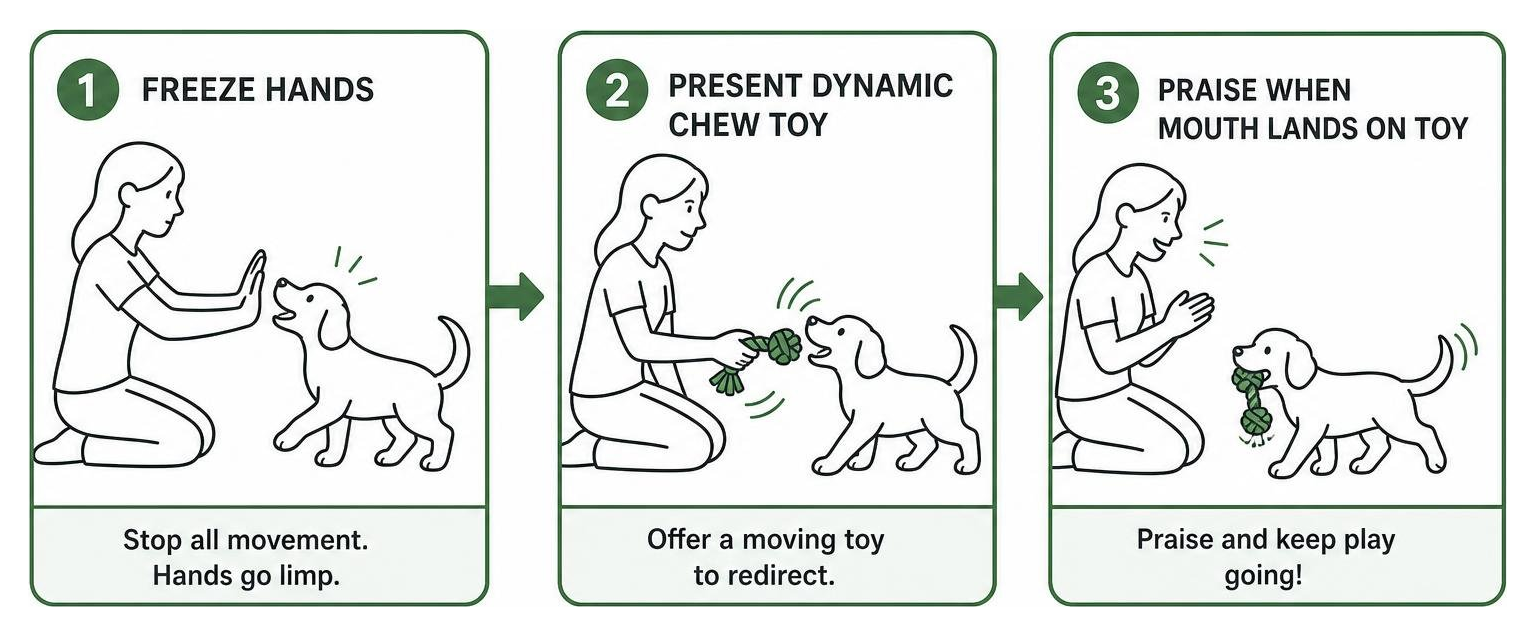
- Freeze Your Hands: The moment your puppy targets your fingers, let your hands go limp. Moving your hands away quickly triggers your puppy’s chase drive. Once your hand goes limp and uninteresting, offer the moving toy instead.
- Use Soothing Chews: Keep cold or frozen options on hand, such as a broth-soaked frozen carrot or a rubber toy stuffed with chilled dog-safe treats. These keep jaws occupied and soothe aching gums simultaneously.
Follow this simple flow during play to keep your pup on the right track:
Read additional practical steps directly from Dog Trainer Tips: Puppy Nipping and Biting | Preventive Vet.
Using Time-Outs and Attention Withdrawal to Stop Puppy Nipping
If redirection fails and your puppy continues targeting skin or clothing, move to attention withdrawal (negative punishment). Removing your attention shows the pup that hard biting makes the fun disappear.
- Freeze Movement: Immediately stop moving your feet, hands, and body.
- Remove Attention: Fold your arms, tuck your hands into your armpits, turn your back, and look up at the ceiling. Avoid eye contact or talking to the pup.
- Step Away (Short Pause): If your puppy continues biting at your shoes or pants legs, step over a baby gate or step out of the exercise pen. Stay out of reach for 10 to 20 seconds.
- Resume Play Calmly: Return and offer a clean slate. If your puppy remains calm or sits, reward them with gentle praise or a toy.
- Use a Quiet Time-Out: If your pup is frantic and continues biting hard after multiple pauses, they are likely overstimulated or overtired. Gently place them in a quiet puppy zone or pen with a safe chew item for a short resting nap (2 to 3 minutes).
What to Avoid When Your Puppy Nips
Certain owner reactions can worsen nipping or damage your bond with your dog:
- Never Use Physical Punishment: Hitting, slapping, holding the muzzle shut, flicking the nose, or rolling the puppy on their back creates fear, defensiveness, and mistrust. It often escalates simple play into true defensive biting.
- Avoid Yelling or Scolding: Shouting “No!” or screaming gives the pup loud attention, which they often interpret as high-energy barking and play excitement.
- Do Not Wave Hands or Toes: Waving fingers or wiggling toes in front of a puppy’s face entices them to pounce.
- Be Cautious with Yelping: While a sharp “Ouch!” or high-pitched yelp works for some mild puppies, high-drive or assertive puppies view squealing as prey noise or play encouragement. If yelping makes your puppy more excited, switch immediately to silent attention withdrawal.
Managing Teething, Energy, and Daily Routines
A structured daily routine helps minimize the frustration that causes excessive biting. Managing physical comfort, rest, and mental energy keeps your puppy in a balanced mindset.
Soothing Teething Gums Safely
When gums are swollen and sore, puppies actively seek cool, firm objects to press against their jawline. Offering approved chewing outlets protects your furniture and fingers:
- Frozen Washcloths: Wet a clean cloth, tie it in a knot, and freeze it. The cold fabric numbs tender gums, while the soft texture allows safe chewing. Always supervise to prevent swallowing threads.
- Frozen Rubber Chews: Fill durable rubber toys with wet kibble, plain pumpkin, or dog-safe bone broth, then freeze overnight.
- Edible Teething Rings: Offer dog-safe, digestible teething sticks designed specifically for young puppies.
- Carrot Sticks: Whole, peeled carrots (fresh or frozen) provide a low-calorie chew that naturally massages gums.
The Role of Exercise, Sleep, and Mental Enrichment
Fatigue is the hidden trigger behind most sudden biting attacks (often called the “evening zoomies”). Young puppies require 14 to 20 hours of sleep every single day. When puppies miss out on needed rest, they lose impulse control and become frantic nippers.
To balance energy effectively, follow these key rules:
- The 5-Minute Play Rule: Cap structured physical exercise (like walks) at roughly 5 minutes per month of age, up to twice a day. A three-month-old puppy only needs 15 minutes of continuous exercise at a time.
- Enforce Nap Schedules: Follow a “one hour awake, two hours resting” routine throughout the day using a quiet crate or playpen.
- Provide Mental Stimulation: Brain work tires a puppy out faster and more safely than physical running. Use lick mats, puzzle feeders, snuffle mats, and short 5-minute basic obedience sessions to work their minds. Review key training exercises in our guide on Puppy Training 101: Commands Every New Dog Parent Needs to Know.
Frequently Asked Questions About Puppy Nipping
How long does the puppy nipping stage typically last?
The nipping stage generally peaks between 12 and 16 weeks of age and gradually subsides as adult teeth finish coming in around six to seven months. With consistent daily redirection and structured rest, most puppies show significant improvement within a few weeks of practice.
What should I do if yelping or saying ‘ouch’ makes my puppy bite harder?
If a loud “ouch” or high-pitched yelp increases your puppy’s excitement, discontinue vocal responses immediately. High-drive puppies hear yelping as fun play noises. Instead, practice silent attention withdrawal: freeze, tuck your hands into your armpits, turn your back, or step over a baby gate for 15 seconds without making a sound or eye contact.
When should I seek professional help for puppy nipping?
You should consult a professional dog trainer or veterinary behavior specialist if you notice any of the following warning signs:
- Biting accompanied by a stiff, frozen body, lip curling, growling, or intense staring.
- Biting that occurs when you approach food, bones, or favorite resting spots (resource guarding).
- Bites that break human skin frequently after six months of age.
- You or your family members feel unsafe around the puppy.
Conclusion
Teaching your puppy to put away their needle-sharp teeth takes clear boundaries, calm patience, and daily repetition. By focusing on bite inhibition first, offering dynamic chew toys, enforcing deep nap schedules, and withdrawing attention when teeth touch skin, your puppy will quickly learn that gentleness keeps the fun going.
At Pet Caddy, we know how much effort goes into raising a well-mannered pup. Whether you need structured care during busy workdays or plan to travel, our family-owned 5-acre ranch in Austin, TX, offers a genuine “dude ranch for dogs.” We provide Wide Open Spaces for play, Hands-On Care, and Supervised, Tailored Play in Small Groups, Big Care environments. Our transparent pricing includes interactive attention and group play with no hidden fees, giving your pup a true home-away-from-home experience filled with happy Tail Wags.
If you want dedicated guidance for your growing companion, explore our specialized Professional Austin Puppy Training Services today to build gentle habits that last a lifetime.