What “Hold Point” Really Means (And Why It Changes Everything)
Training bird dogs to hold point is the single most important skill you can develop in a pointing breed. Without it, even the best nose in the field is wasted.
Here’s a quick answer if you need it fast:
How to train a bird dog to hold point:
- Teach “Whoa” in the yard first – no birds, no distractions, just the command
- Introduce a check cord – 20-50 feet of control while working planted birds
- Bring the dog across the scent cone – let instinct kick in, then reinforce the stop
- Correct creeping with light pressure – never harsh, never in a way the dog associates with the bird
- Reward the hold with a flush – the bird flying is the payoff
- Gradually increase duration – work up toward 10-minute holds over time
- Transition to wild birds – let the birds do the teaching once the foundation is solid
That’s the short version. The details below will help you do each step right.
Picture this: your dog locks up solid, tail high, nose aimed like a compass needle at a patch of grass. You walk in, heart pounding. The bird explodes skyward. That’s the moment every upland hunter trains for.
But getting there takes more than good genetics. A dog that flushes birds before you arrive isn’t just frustrating – it’s leaving birds in the bag instead of the game pouch. As one experienced trainer put it simply: “It takes birds to make a bird dog.” But it takes training to make a bird dog that holds.
The good news? This isn’t a mystery. It’s a process – one that starts in your backyard and builds toward the kind of staunch, confident point that can last 20 minutes in thick cover while you work your way through the brush.
Training bird dogs to hold point word guide:
- Basic gun dog training
- Gun dog e-collar training
- Finished gun dog
The Foundation: Teaching “Whoa” in the Yard
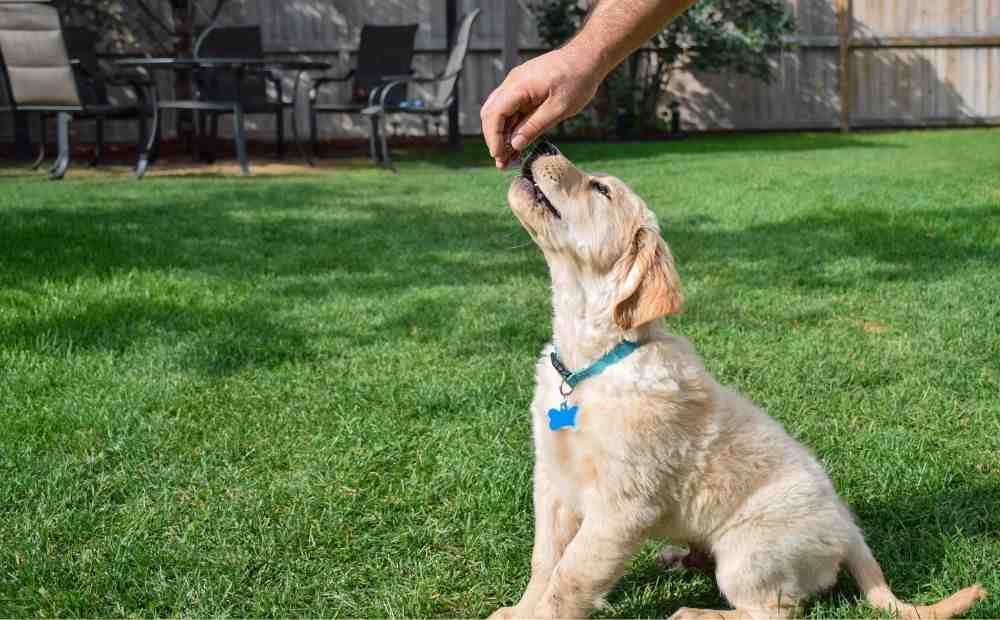
Before we ever set foot in a field near Spicewood or Horseshoe Bay with a live bird, we have to master the most important command in a pointer’s vocabulary: “Whoa.” Many folks are surprised to hear that “Whoa” isn’t actually about birds at all. It is a universal control device that means “stop and stay until I tell you otherwise.”
We start this in the yard—a distraction-free environment where the dog can focus entirely on us. If you try to teach this around birds first, the dog’s predatory drive will drown out your voice every time. We want to build a foundation so solid that the dog will “Whoa” even if a squirrel runs past or a car pulls into the driveway. This builds the trust and consistent communication needed for basic gun dog training.
Mastering the Lead
Start with your dog on a standard lead. Walk together calmly. When the dog is a foot or two in front of you, say “Whoa” firmly but calmly and give a sharp tug on the lead. Don’t yell; we want a responsive partner, not a scared one.
If the dog tries to sit, move, or turn toward you, gently set them back into their original standing position. Keep tension on the lead and walk a circle around the dog. If they move, “Whoa” them again and reset. We do this until the dog stands like a statue, regardless of where we move. Only once they are perfect on the lead do we think about moving to the field.
Training Bird Dogs to Hold Point with Controlled Drills
Once the yard work is polished, it’s time to head to the wide-open spaces. In the Austin area, we are blessed with beautiful ranch land that’s perfect for this. For these drills, we use a check cord (usually 20 to 50 feet long) and planted birds like pigeons, quail, or chukar.
The goal here is to bridge the gap between “Whoa” as a command and the dog’s natural instinct to point. Using Steadying Pointing Dogs – Gun Dog techniques helps ensure the dog understands that standing still is what makes the “game” happen. If you’re feeling overwhelmed, choosing the right gun dog program can provide the professional structure your pup needs to succeed.
Step-by-Step Guide to Training Bird Dogs to Hold Point
- Set the Stage: Place a bird in a remote launcher or a “lock-winged” pigeon in a patch of cover.
- The Approach: Bring the dog in perpendicular to the scent cone. This ensures they “hit” the scent suddenly rather than trailing it from a long way off, which encourages a sharper point.
- The Scent Acknowledgment: Watch your dog’s body language. When the tail goes up or the head snaps toward the cover, they’ve caught the scent.
- Reinforce with the Check Cord: As soon as they scent the bird, give the “Whoa” command. Use light check cord pressure—think of it like “catching a six-inch fish, not a ten-pound bass”—to keep them from creeping forward.
- The Flush: Have a helper trigger the launcher or flush the bird yourself. The dog must remain standing while the bird flies away. If they break, use the check cord to return them to the exact spot where they first pointed.
Why Training Bird Dogs to Hold Point Requires Patience
Every dog is an individual. While some might get it in a few days, others take months. Breed plays a huge role here. A German Shorthaired Pointer (GSP) might show intense pointing behavior at six months, while some Weimaraners might not fully grasp the concept until they are two years old or more.
It’s important to keep expectations age-appropriate. Pushing a nine-month-old pup too hard can “take the run out of them,” turning a bold hunter into a “bootlicker” who stays too close to the handler because they’re afraid of making a mistake. Let them have fun, chase a few birds early on to build drive, and introduce the “Whoa” pressure gradually.
Advanced Techniques for a Staunch Point
A “staunch” dog is one that stands like a rock, even if you’re out of sight or kicking the brush right under their nose. To get there, we use physical manipulation to “style” the dog and build their confidence on point. This is part of advanced training for pointers.
When the dog is on point, walk up and calmly stroke the tail upward. You can also gently push forward on their rear, just below the tail. The dog’s natural reaction will be to lean back against your hand to maintain balance. This “leaning back” is exactly what we want—it teaches the dog to resist the urge to lunge forward at the bird.
Building Duration and Staunchness
To build real endurance, we aim to increase the point duration to up to 10 minutes through daily practice. A truly staunch dog can hold for 20 minutes if needed.
- Lifting the Rear: Some trainers lift the dog’s back legs slightly off the ground (a “handstand”) and set them back down to reinforce the “stay” mindset.
- The “U” Turn: Pick up the dog’s rear and move it in a half-circle, then set it down. If the dog stays locked on the bird’s location, they are becoming staunch.
- Multiple Birds: Introduce a second or third bird. If the first bird flushes and the dog stays put because they scent another one, they are learning that “birds on the ground are worth more than birds in the air.”
Transitioning from Planted Birds to Wild Game
Planted birds are great for drills, but wild birds are the ultimate teachers. Over 90 percent of the time, training bird dogs to hold point is perfected by running them in areas with a lot of wild birds and letting the dog learn naturally. Wild birds like woodcock or ruffed grouse don’t tolerate “creeping”—they flush as soon as the dog gets too close. The dog quickly learns: “If I move, the bird leaves, and the fun ends.”
In the early season, take a hands-off approach. Let the dog hunt. If they bump a bird, don’t scream. Just let the bird go. The dog will eventually realize that holding still is the only way to get you to arrive and make the shot.
Comparing Training Birds
| Feature | Planted Birds (Pigeons/Quail) | Wild Birds (Pheasant/Woodcock) |
|---|---|---|
| Scent Quality | Consistent, easy to find | Natural, can be tricky |
| Flight Patterns | Predictable, sometimes weak | Explosive, “spooky” |
| Availability | Year-round, controlled | Seasonal, requires travel |
| Training Use | Foundations & mechanics | Finishing & “bird sense” |
| Cost | Per bird expense | Hunting license & travel |
Troubleshooting Common Pointing Mistakes
Even the best-bred dogs run into hiccups. Here’s how to handle the most common issues without losing your cool.
- Creeping: The dog slowly crawls toward the bird after pointing. The Fix: Use the check cord to stop them the second they move. Return them to the original spot.
- Flashing Point: The dog stops for a split second and then flushes the bird. The Fix: Go back to “Whoa” drills in the yard. They don’t respect the command yet.
- Bumping Birds: The dog runs right over the bird. The Fix: This often happens due to poor scenting conditions or a “young” nose. More exposure to birds is usually the answer.
- The Golden Rule: Never shoot a bird that the dog flushed or bumped. If you shoot it, you are rewarding the mistake. Only shoot birds that the dog held until you arrived. This is a key part of wing and shot training.
Frequently Asked Questions about Holding Point
What is the best age to start field work?
You can start introducing a puppy to bird scent and “fun” chases as early as 8-10 weeks. However, formal “Whoa” training and hold point drills usually start around 6 to 12 months, depending on the dog’s maturity.
Should I use an e-collar for point training?
An e-collar is a wonderful tool for “off-lead” excellence, but it should only be used after the dog fully understands the command. Never use an e-collar to “teach” the point; use it only to reinforce a “Whoa” command the dog already knows. Misuse on point can cause a dog to “blink” (avoid) birds entirely.
How do I stop my dog from chasing after the flush?
Use a long check cord as an “anchor.” When the bird flies, give the “Whoa” command. If the dog lunges, they will hit the end of the cord and “self-correct.” Eventually, they will learn to stand through the wing and shot.
Conclusion
Training a bird dog is a journey that requires patience, consistency, and plenty of wide-open space. Whether you’re in Barton Creek, Bee Cave, or Lakeway, giving your dog the room to run and the right foundation is key to a successful hunting season.
At Pet Caddy, we understand that your dog is more than just a hunter—they’re family. Our five-acre ranch in the Austin area offers a “home away from home” where dogs can enjoy a ranch adventure with plenty of tail wags. Our boarding and daycare services provide a stress-free environment with supervised tailored play and hands-on care included at no extra cost. We believe in transparent pricing with no hidden fees, ensuring you have peace of mind while your pup enjoys their stay.
If you’re looking for a place where your dog can maintain their training or simply enjoy a “dude ranch” experience while you’re away, we’re here to help. From gun dog boarding to our personalized attention, we treat every guest like one of our own.
Schedule your pup’s advanced training or book their next ranch stay with us today!